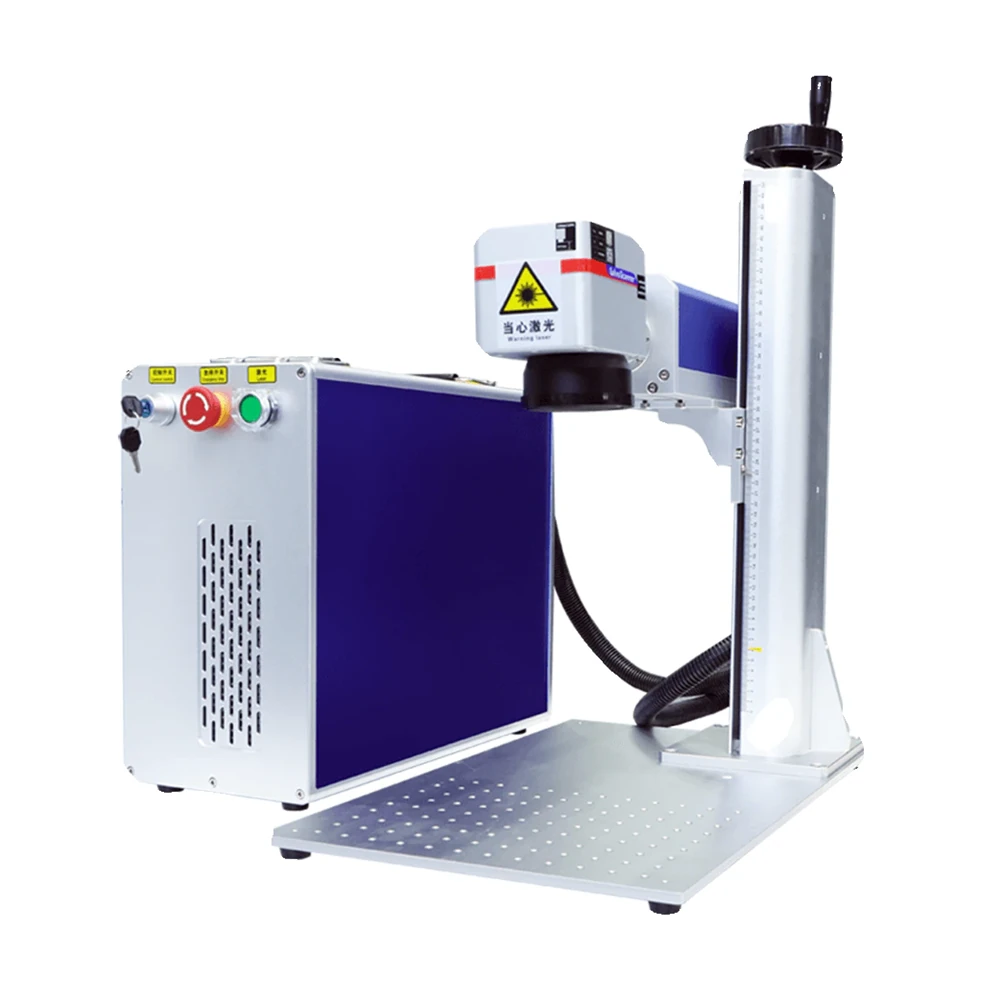
Split-Type MOPA Laser Marking Machine
MOPA pulse control with the head on a cable, for gantry mounting and integration into an existing line.
View modelA MOPA source is a fiber laser with two more dials: pulse duration and frequency. Those dials turn a single machine into a colour marker on stainless steel, a black marker on aluminium and a deep engraver on steel. This cabinet carries 20W, 30W, 60W or 100W of that capability in a 35 kg body.
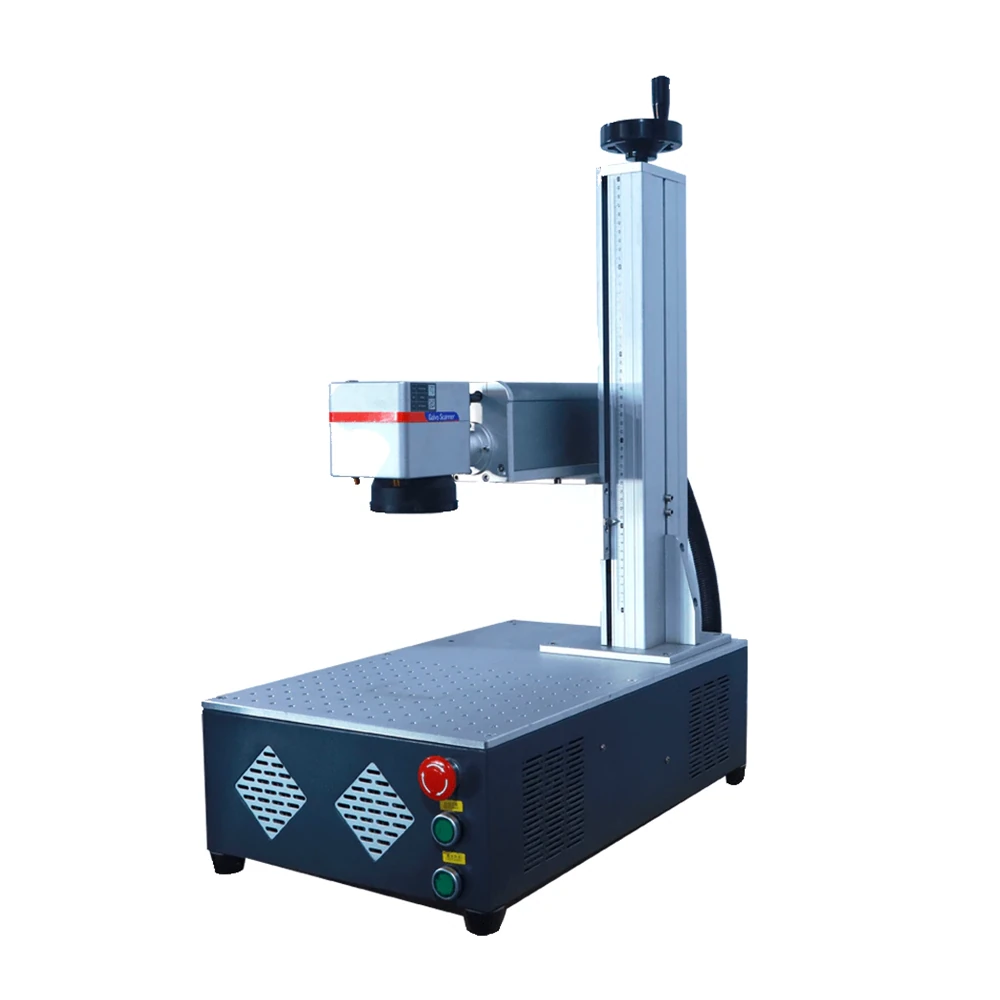
A fixed-pulse fiber laser gives you power and speed. A MOPA source also lets you decide how long each pulse lasts and how often pulses arrive, which is what separates a colour mark from a deep cut.
| Setting direction | Energy per pulse | Surface behaviour | Where it is used |
|---|---|---|---|
| Shortest pulses | Low, tightly packed | Thin oxide film, no measurable depth | Colour marking on stainless steel, black marking on aluminium |
| Medium pulses | Moderate | Dark annealed mark with slight relief | Serial numbers, logos and compliance labels |
| Long pulses, low frequency | High | Material removed, visible depth | Deep engraving, tooling and wear-resistant part marks |
| Long pulses, high frequency | High, densely packed | Fast coverage with moderate depth | High-speed line marking and large engraved areas |
The table shows the direction each adjustment moves the result, not fixed numbers. Exact pulse duration, frequency and power values depend on the alloy, its surface finish and the required colour, and we supply them after marking your sample.
Colour on stainless steel is not ink and not a coating. It is a controlled oxide layer, and the machine is supplied with the recipes that produce it.
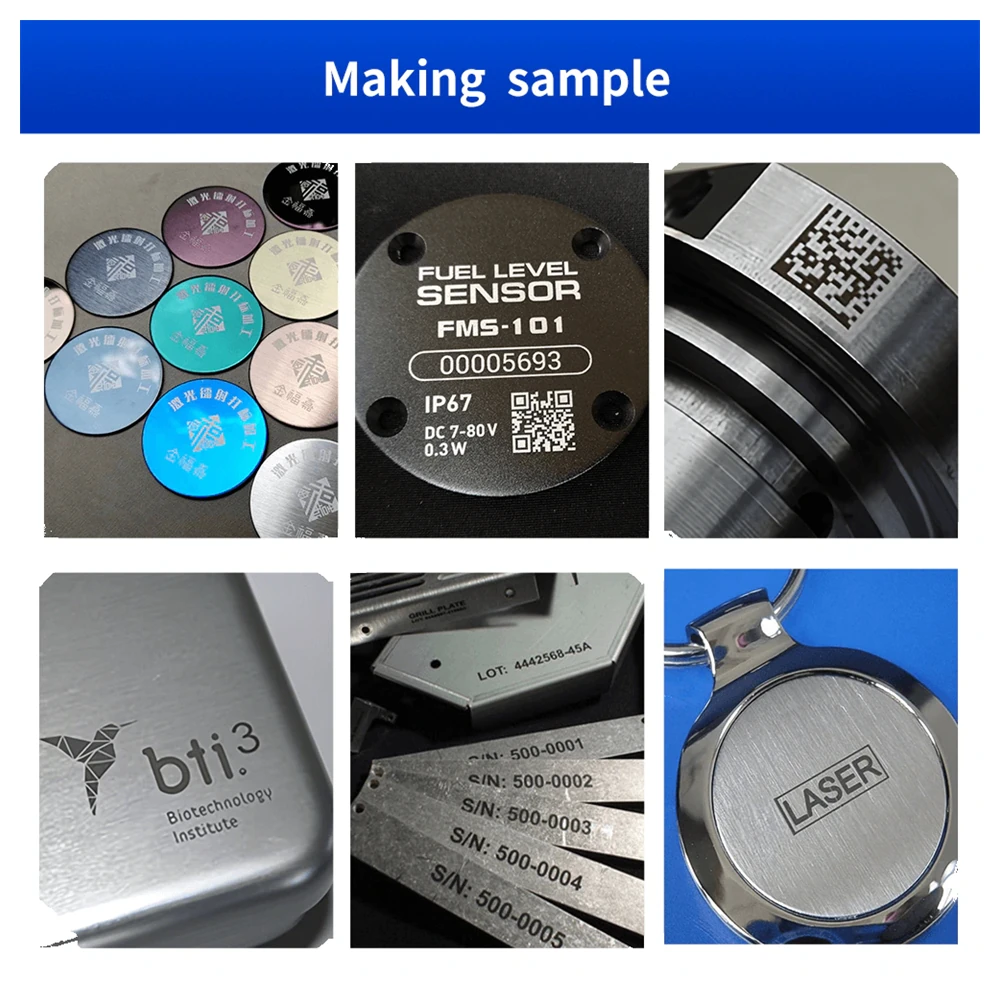
High-contrast black marking on anodised and untreated aluminium, replacing printed labels and stickers.
Cooler oxide tones on stainless steel, used where a mark should read as part of the material rather than as print.
Warmer tones for decorative panels, cutlery, sanitary ware and architectural hardware.
Several tones placed in one pass, letting a brand mark keep its own colour scheme without any consumable.
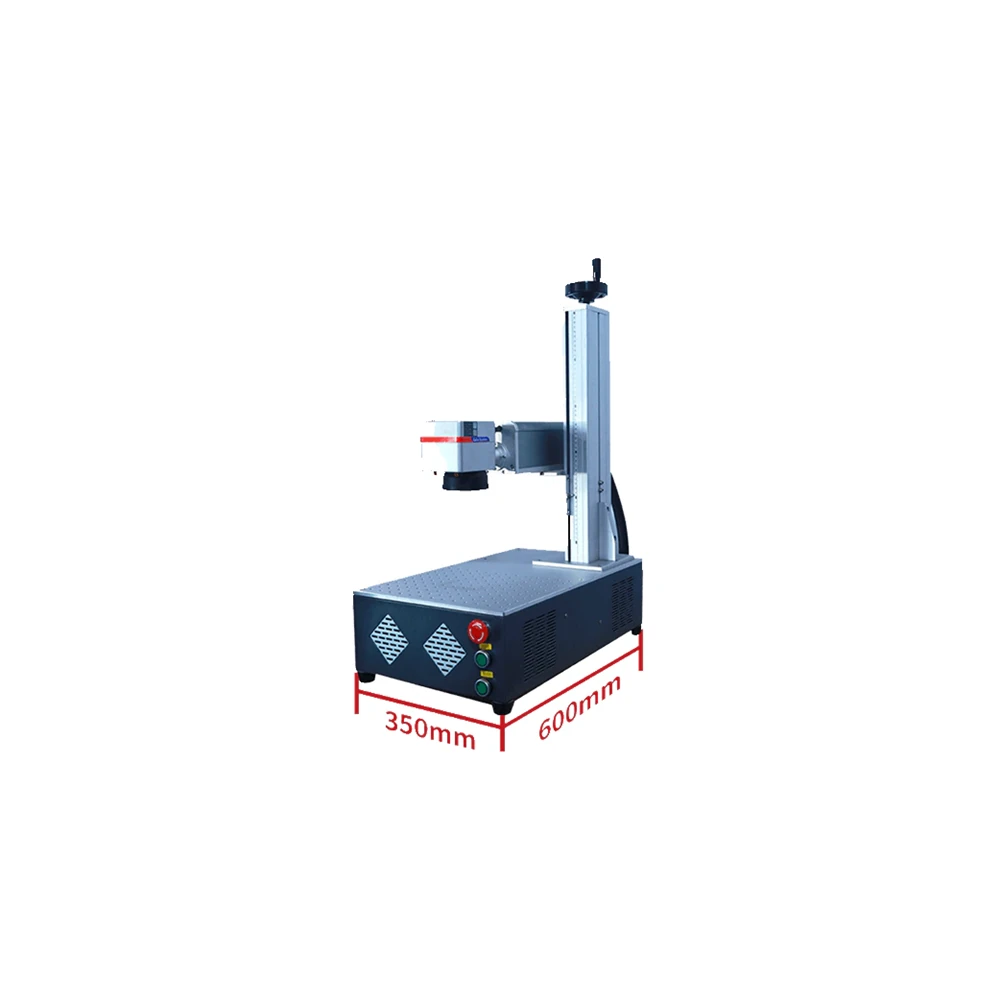
KR-MOPA20 through to KR-MOPA100 share the same 35 kg cabinet and the same 350 × 600 × 830 mm footprint. Decide by material and through-put, not by size.
| Parameter | KR-MOPA20 | KR-MOPA30 | KR-MOPA60 | KR-MOPA100 |
|---|---|---|---|---|
| Rated Power | 20W | 30W | 60W | 100W |
| Average Output Power | >20W | >30W | >60W | >100W |
| Laser Source | JPT / GZTECH | |||
| Marking Area | 110–300 mm | |||
| Beam Quality | M² < 1.4 | M² < 1.4 | M² < 1.5 | M² < 1.6 |
| Power Consumption | <110W | <150W | <330W | <440W |
| Centre Wavelength | 1064 nm | |||
| Supply DC Voltage | 24V | |||
| Beam Diameter | 7 ± 0.5 mm | |||
| Cooling Method | Air-cooled | |||
| Net Weight | 35 kg | |||
| Machine Dimensions | 350 × 600 × 830 mm | |||
Marking areas from 110 mm to 300 mm are achieved with matched f-theta lenses, so the field is chosen when the order is configured. Beam quality is quoted the way the source datasheet quotes it. Focal lenses, rotary axes and fixtures are specified per order.
Everything below relies on the same thing: control over how much energy each pulse delivers and how it is spread.
Durable marks for tool making and automotive parts, where a serial number has to survive years of contact wear.
The 60W and 100W models mark ceramic bodies cleanly for home decoration, tableware and kitchenware.
Sharp bar codes and Data Matrix codes on epoxy surfaces, replacing printed labels that fall off or smear.
Two by two millimetre codes engraved on electronic chips without damaging the substrate beneath them.
Optimised for single-line work in crystal, producing even line weight for text and decorative patterns.
For packaging and large-batch production, the 60W and 100W versions mark at line speed without dropping quality.
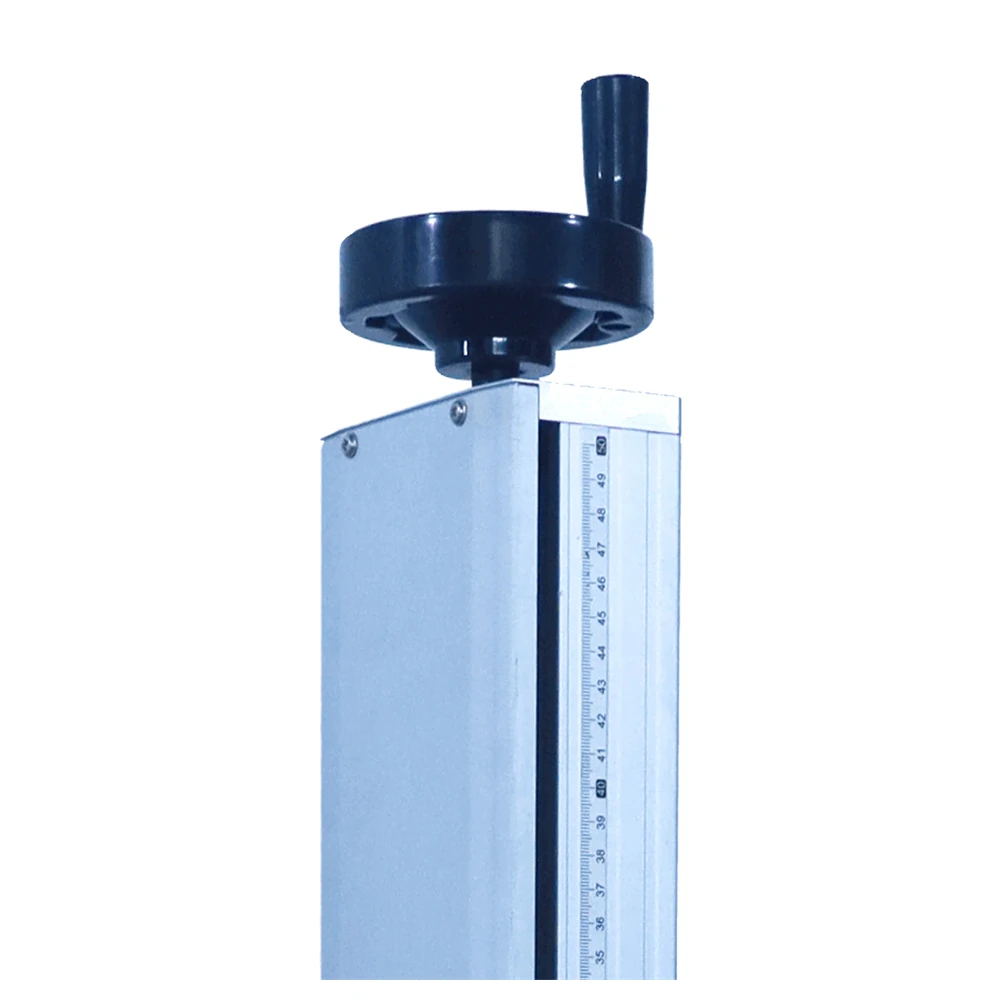
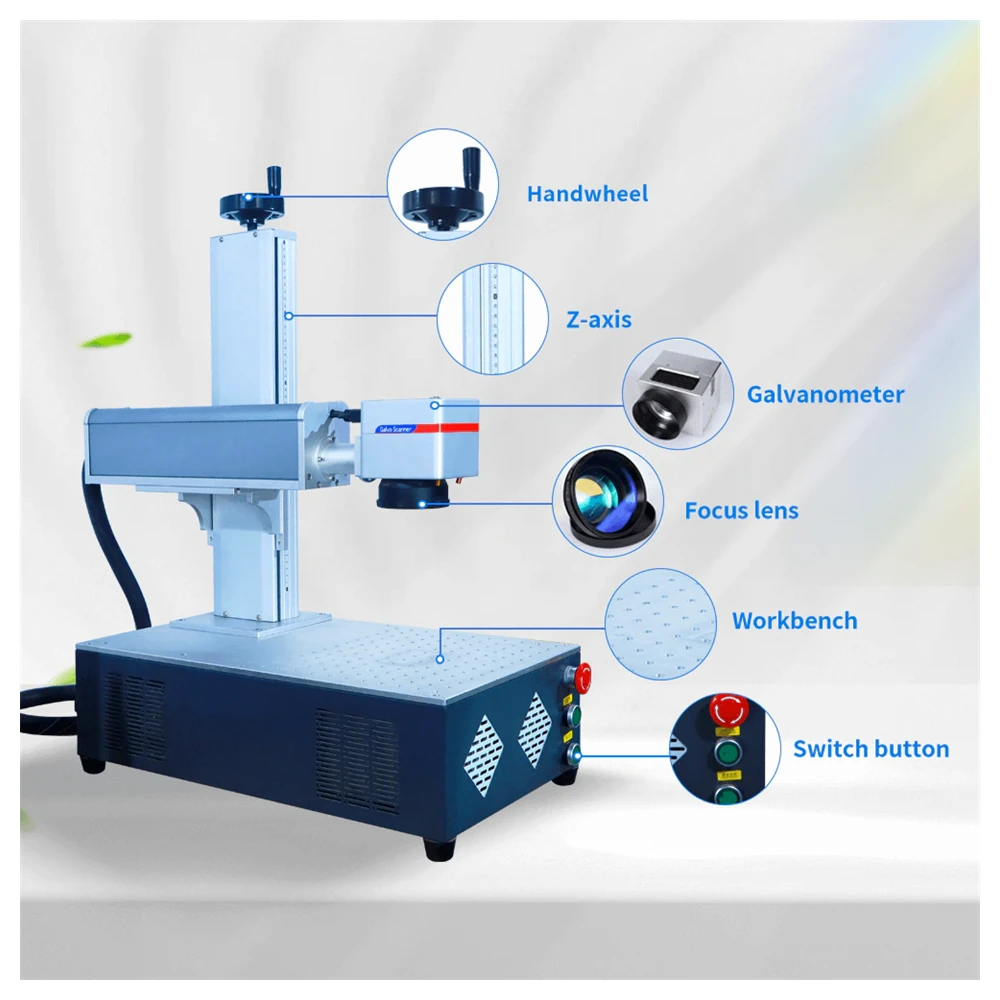
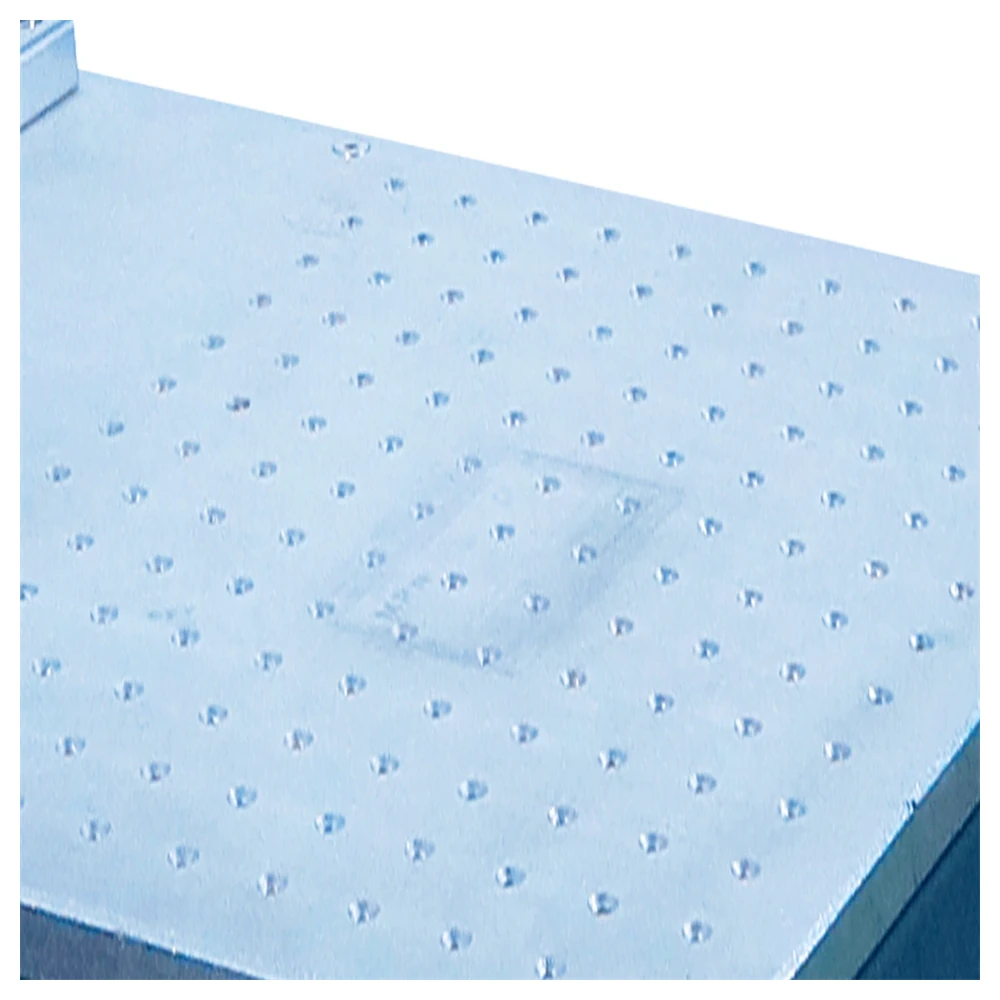
Three deliberate decisions keep this machine simple to own: a manual column, an aluminium bench and an air-cooled source.
Yes. By changing pulse duration and frequency, the MOPA source builds different oxide layers on stainless steel, and those layers read as different colours. Permanent colour marks for branding and decoration are the reason most customers choose MOPA over a standard fiber marker.
Metals such as stainless steel, aluminium and titanium, plus many plastics, ceramics and certain composite materials. This range is why the platform is used from automotive work through to electronics and jewellery.
Depth depends on the material and the parameters you select. The 60W and 100W models deliver noticeably deeper engraving on metal, which suits tool manufacturing and automotive parts that need marks surviving heavy wear.
The interface is designed to be approachable on a first machine. Even so, we recommend reading the user manual or taking training before the first production run so the pulse and frequency settings start from a known point.
Keep the lenses clean, check the cooling system, confirm the optical alignment and follow the preventive maintenance schedule. Routine attention of this kind is what keeps a MOPA marker stable for years.
An efficient air cooling system carries heat away quickly and holds the laser components at a stable temperature, so the machine can run long shifts with fewer stoppages.
Yes. User-friendly marking software is supplied for design work, parameter adjustment and file import, and it integrates with the common file formats used in production.
The machine carries a 2-year warranty with free replacement of faulty parts. Troubleshooting and technical guidance are provided by our engineering team, and a 2-year term applies to the machine.
The same pulse control, mounted differently for different working envelopes.
MOPA pulse control with the head on a cable, for gantry mounting and integration into an existing line.
View model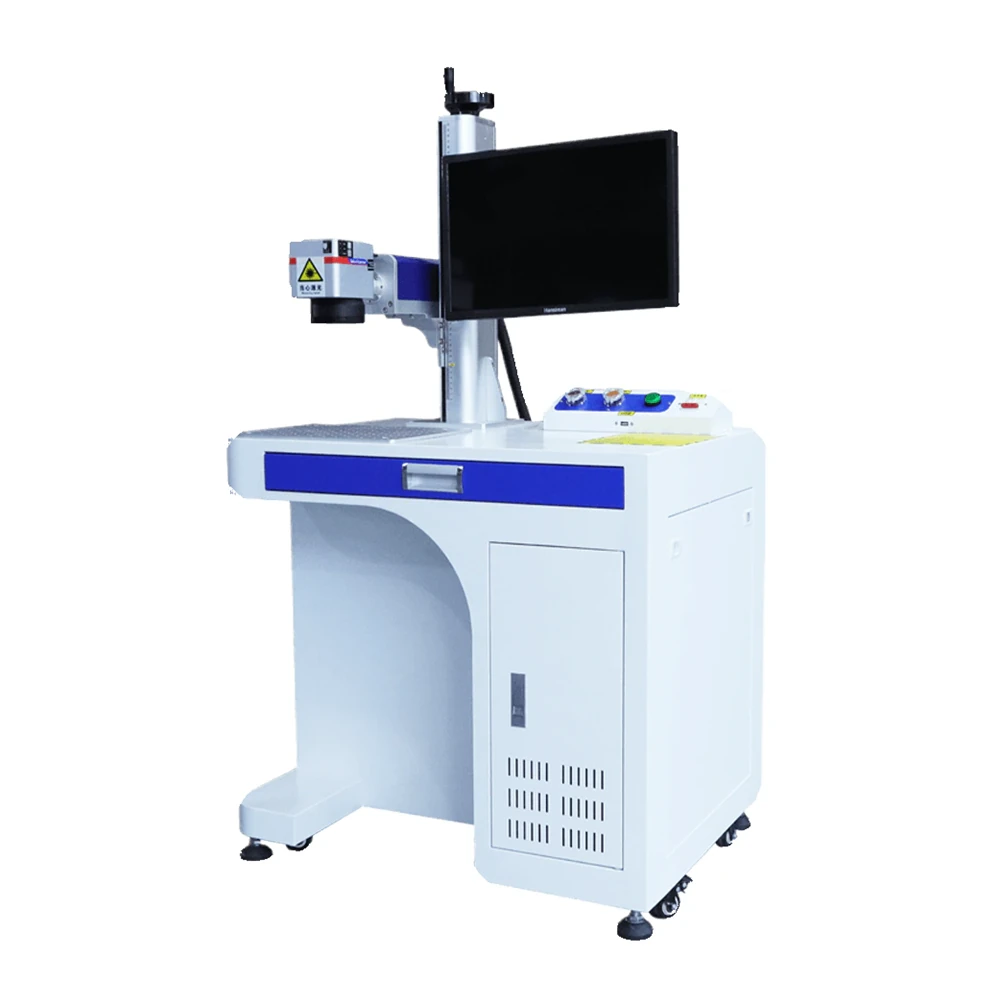
An enclosed MOPA build for bench work, with a protected marking area for small colour-marked parts.
View model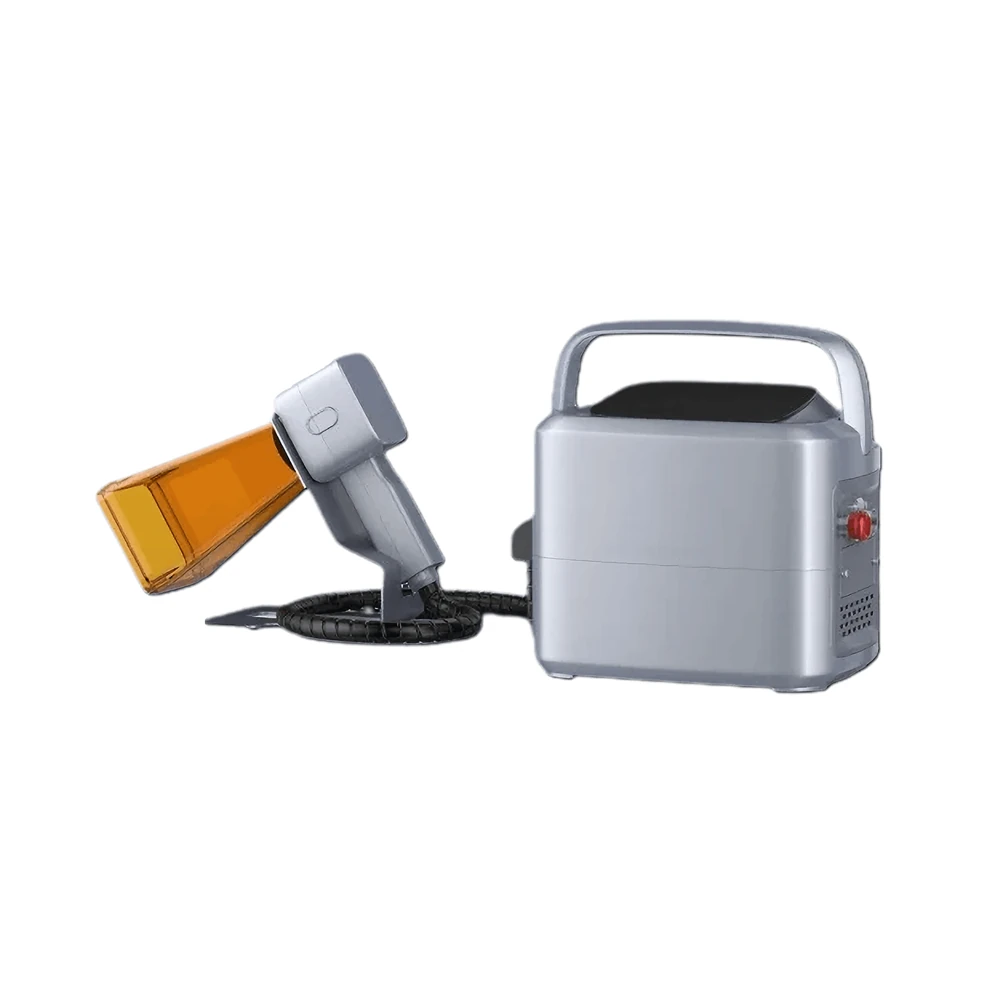
For parts that cannot come to a bench, with a 1.25 kg gun and an optional battery pack for off-grid work.
View model