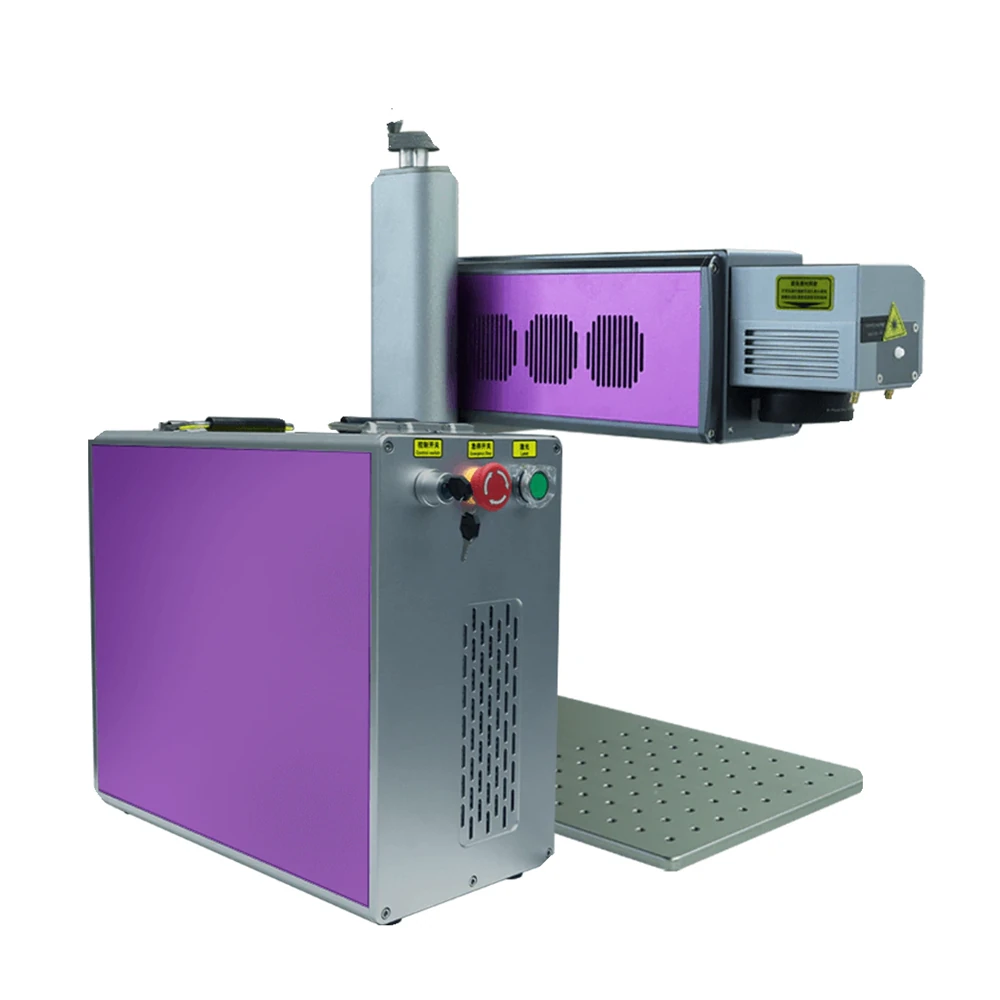
Split-Type UV Laser Marking Machine
Cold UV marking with the scanner on a cable, so the beam can reach into a machine or over a conveyor.
View modelAt 355 nm the beam is absorbed by plastics and glass instead of passing through or bouncing off them. Energy goes into breaking surface bonds rather than heating the part, which is why UV is the only practical answer for thin film, PVC, coated board and components that cannot tolerate heat.
Three wavelengths, three ways of putting energy into a part. The difference on thin plastics and coated film is not subtle, it decides whether the part is sellable.
| Behaviour | UV 355 nm (this machine) | CO2 10.6 µm | Fiber 1064 nm |
|---|---|---|---|
| How the mark forms | Surface bonds break, material is altered without melting | Material is heated until it carbonises or vaporises | Metal is oxidised or vaporised by a high-energy spot |
| Heat input into the part | Very low | High | High on metals |
| Heat-affected zone | Minimal, measured in microns | Wide, follows the thermal gradient | Localised but deep |
| Thin plastic film | Marks cleanly, no shrink or curl | Melts, curls or cuts through | Usually unsuitable |
| Glass and acrylic | Marks without cracking or crazing | Can chip or craze on thin sections | Poor absorption |
| Printed and coated surfaces | Fine marks through the coating without scorching | Wide charring around the mark | Coating dependent |
| Colour change to the substrate | Controlled, often subtle | Strong dark contrast | High contrast on metals |
| Strongest material set | Plastics, glass, films, medical and electronic assemblies | Wood, leather, rubber, coated metal | Bare metals |
The comparison describes the general physical behaviour of each wavelength and is a selection guide, not a test report. A coating, an additive or a laminate can change which source works. Send us the part and we will mark it and report which wavelength won.
Use this list as a screening tool. If the part appears here, UV is the first process to test.
PE, PP and laminate films used for food, pharmaceutical and cosmetic packs, where a heated mark would ruin seal integrity or print registration.
Insulation sleeves, switch housings and clear covers that discolour, blister or release fumes when a thermal source passes over them.
Catheters, single-use instruments and pouches where a permanent, non-toxic mark has to be applied without disturbing the sterile barrier.
Cover glass, optical components and silicon wafers marked at micron scale, where a thermal gradient would introduce stress or distortion.
Painted, printed or laminated surfaces on finished goods, where scorching around the mark would be visible to the end customer.
Populated boards, connector housings and sensors where nearby solder joints and components must not be reheated after assembly.
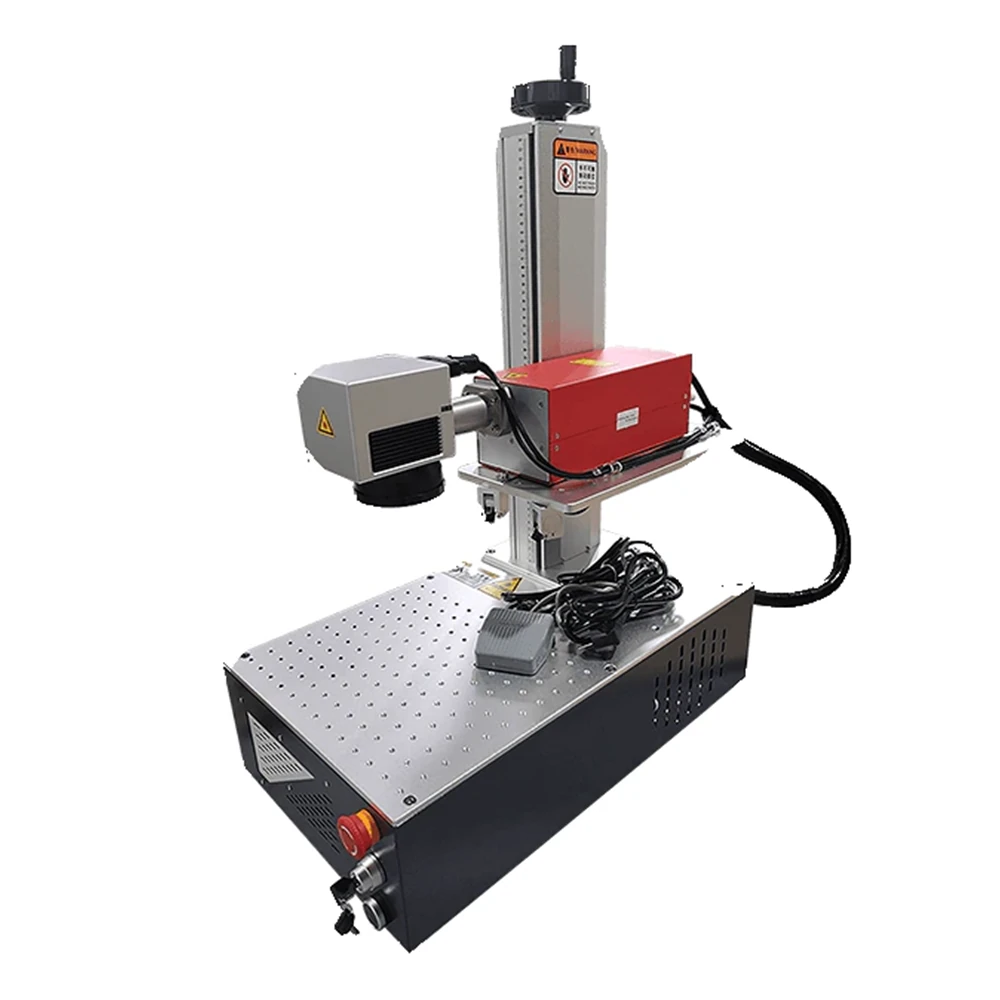
The three models share one control platform, one 110 × 110 mm field and one air-cooled architecture. Weight increases with the source rating.
| Parameter | KR-AU3 | KR-AU5 | KR-AU10 |
|---|---|---|---|
| Rated Power | 3W | 5W | 5W |
| Laser Source | JPT | ||
| Centre Wavelength | 355 nm | ||
| Frequency Range | 20–150 kHz | ||
| Marking Area | 110 × 110 mm | ||
| Beam Quality | M² ≤ 1.2 | ||
| Beam Diameter | 0.55 ± 0.15 mm | ||
| Supply Voltage | DC 12V | ||
| Cooling Method | Air-cooled | ||
| Galvanometer | RC7110 | ||
| Net Weight | 35 kg | 45 kg | 55 kg |
| Machine Dimensions | 600 × 350 × 830 mm | ||
The source datasheet lists 5W for the KR-AU10 row as well as for the KR-AU5. The table above records the datasheet as published rather than correcting it. Confirm the source rating you need when the order is configured; the marking field, galvo and cooling system are identical across the three models.
Each of these has a reason to avoid heat, and each one gains the same benefit: a permanent mark that leaves the part as it was.
Precision marking on PCB and semiconductor components, producing bar codes, serial numbers and identifiers at micron scale.
Non-toxic, permanent marks on devices and drug packaging that keep traceability intact and satisfy regulatory audit.
Identification codes on robust parts and fine decorative detail on trim, both from the same machine and the same field.
High-precision branding on glass and plastic packaging, with anti-counterfeiting marks that are difficult to copy.
Use-by dates, batch codes and lot numbers applied without contact and without breaching the integrity of the pack.
Marking on solar cells and wafers where precision is measured in microns and any thermal distortion is unacceptable.
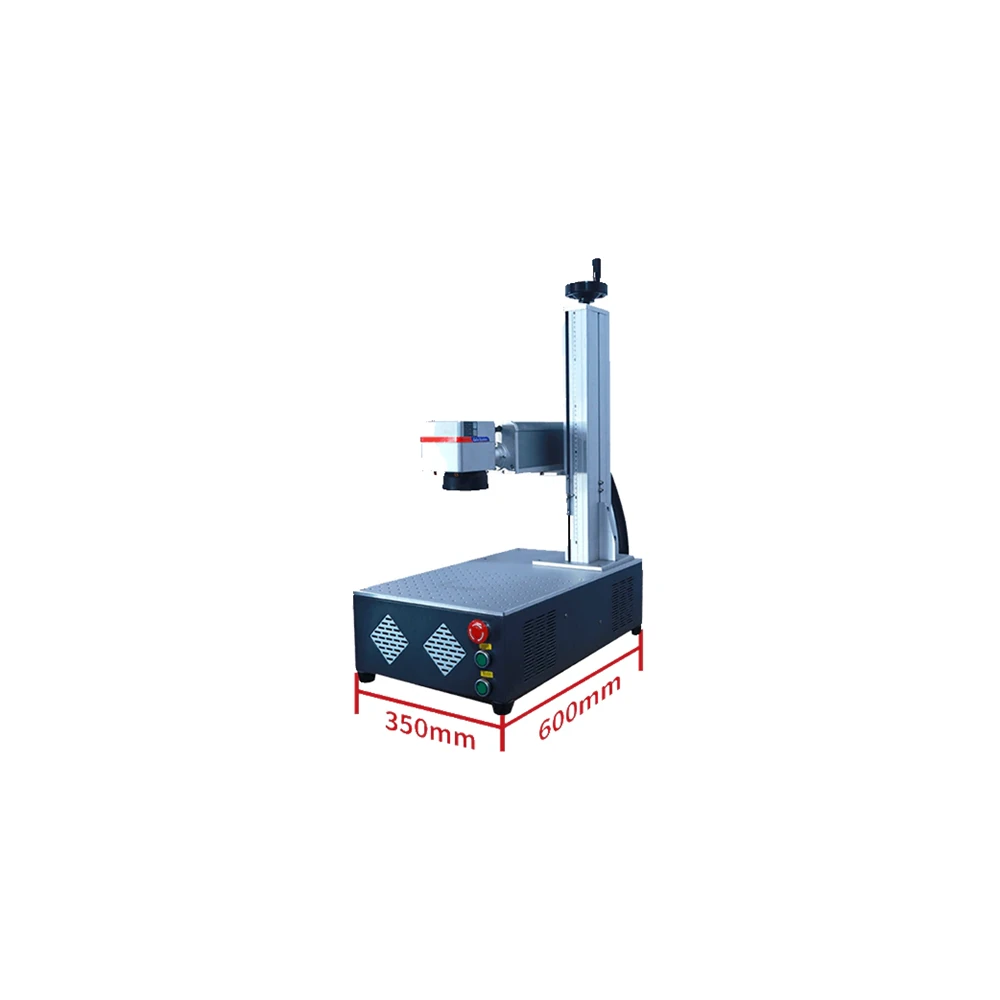
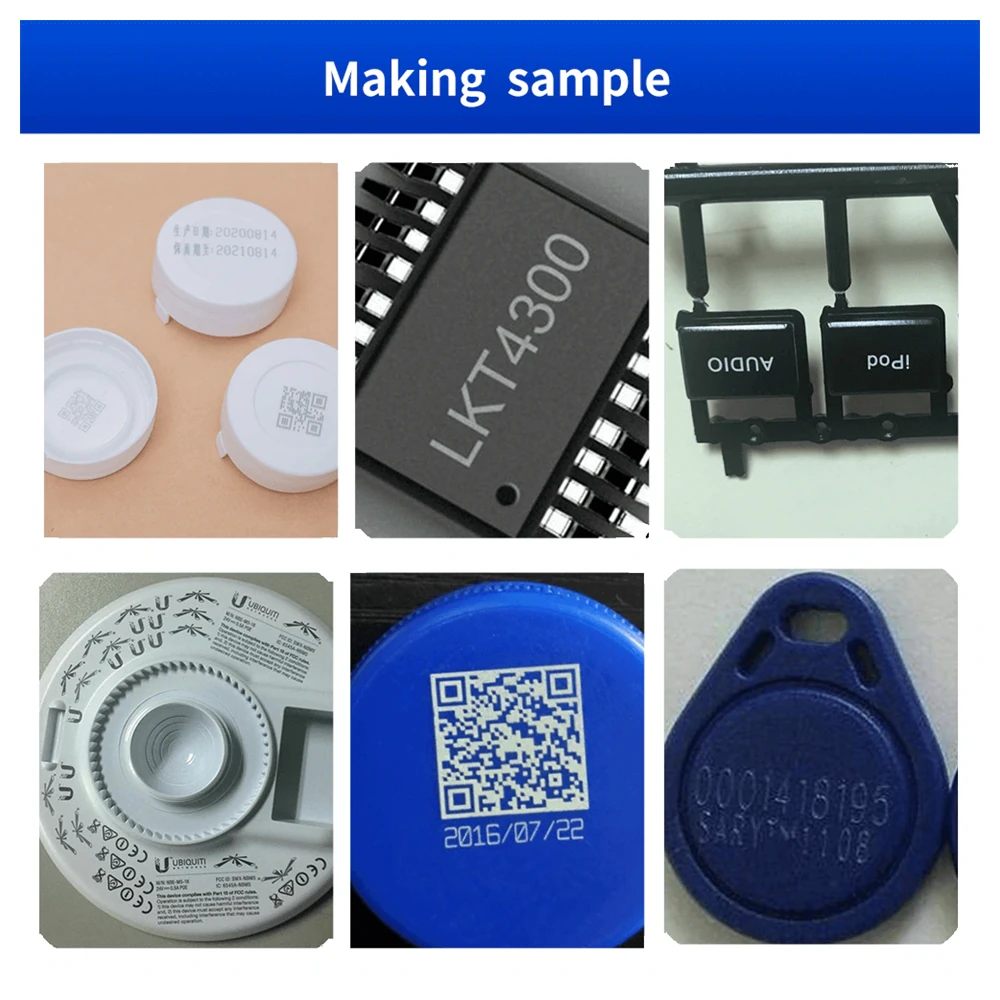
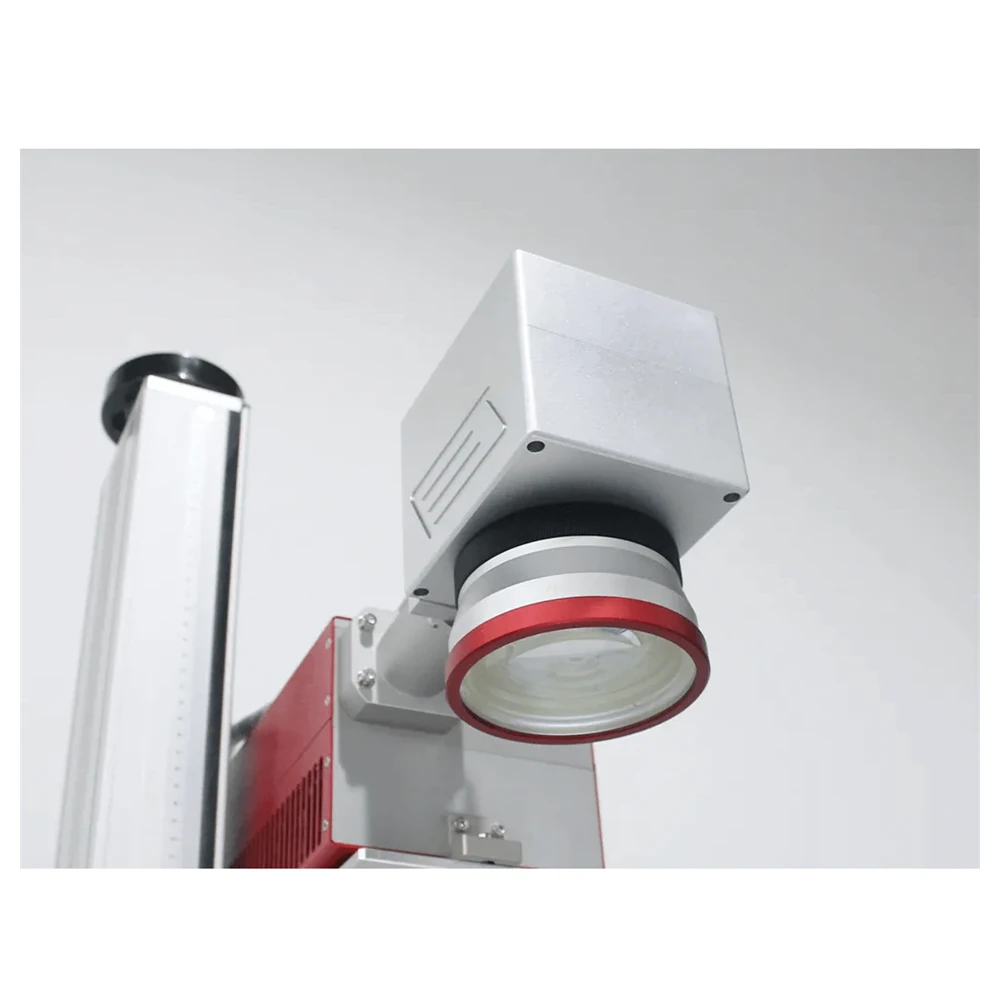
UV marking is specified by beam quality and repeatability, not by depth of cut.
The scanning system delivers high linearity and minimal drift, so repeat positioning stays accurate run after run.
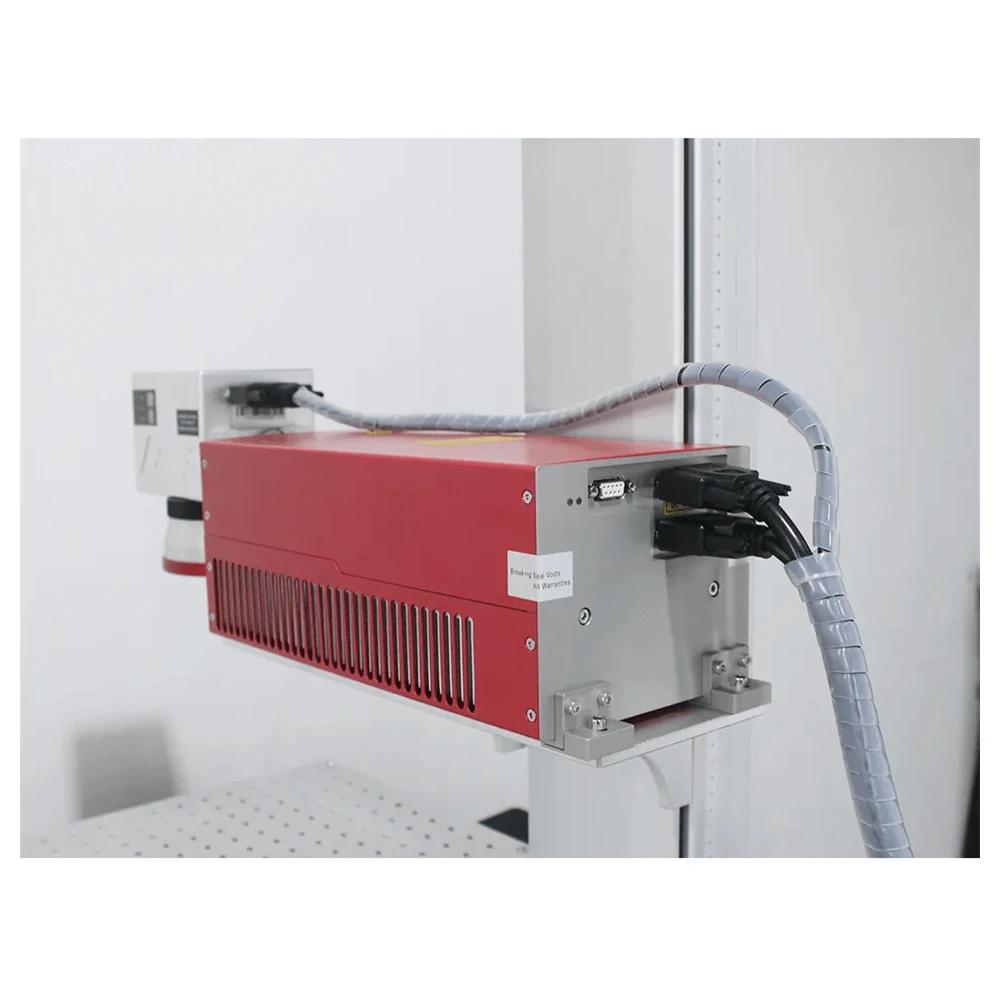
The UV source combines air cooling with automatic speed adjustment, holding performance steady while extending source life.
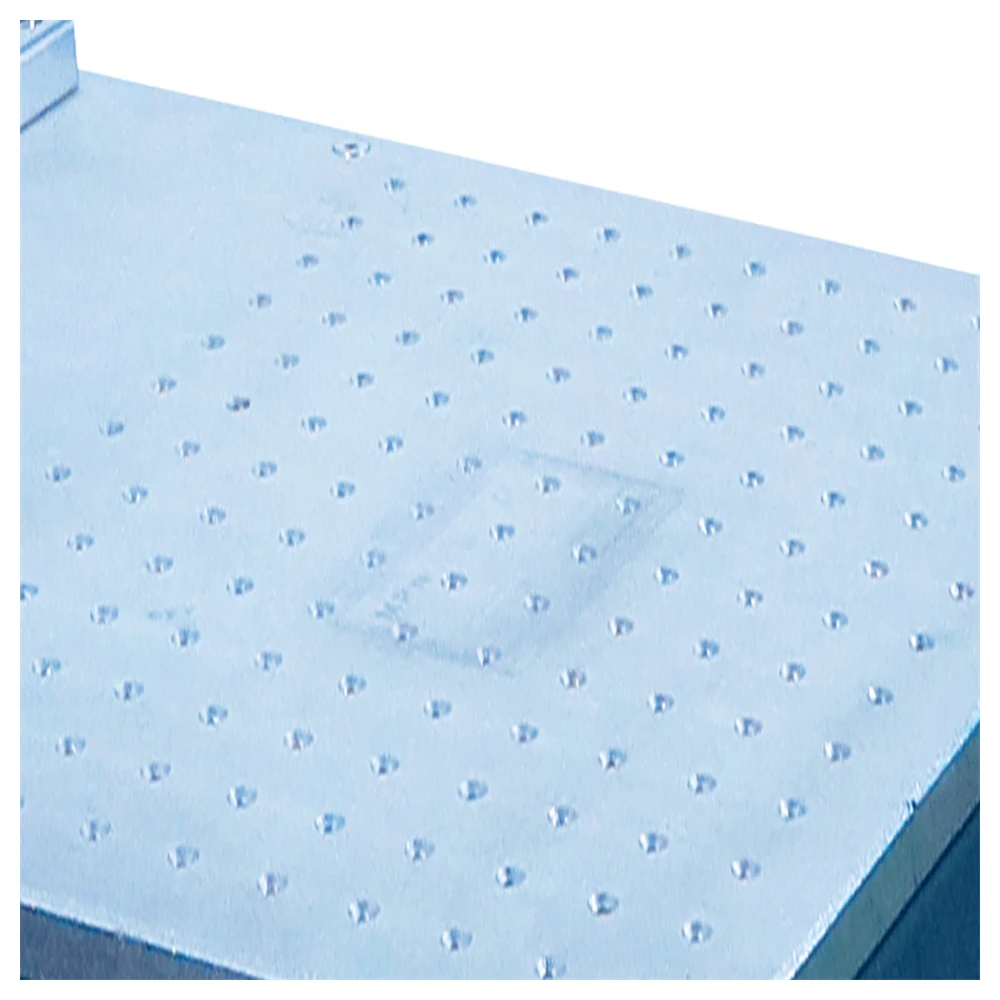
A rigid work table with adjustable clamps holds heavy or awkward parts securely for stable, repeatable marking.
A wide range of materials, including plastics such as PVC, ABS and polycarbonate, metals such as aluminium, gold and titanium, plus wood, glass, paper and board. Each material may need its own laser settings for the best result.
Yes, and this is where UV marking is strongest. The heat input is very low, so transparent and fragile surfaces can be marked without cracking, crazing or scorching.
UV marking works at micron level, with repeatability typically around plus or minus 0.1 micrometre. That level of control is what electronics and medical device production needs from a permanent mark.
Electronics such as PCBs and semiconductors, medical devices and sterile packaging, durable part marking on automotive components, and branding and anti-counterfeiting on consumer goods.
Marking creates a change on the surface without removing material, which is why the process is described as cold marking. Engraving removes material to leave a deeper mark or pattern.
High precision, very low heat input that protects sensitive materials, the ability to handle many different substrates, and a non-contact process that cannot dent or deform the part.
UV lasers are used mainly for marking, although they can cut some very thin materials such as films and delicate substrates. They are not intended for deep or thick-section cutting the way CO2 or fiber machines are.
Routine maintenance keeps performance consistent: check the cooling system, clean the optical components and confirm the laser source stays stable. Preventive attention of this kind extends the working life of the machine.
The same 355 nm process, mounted and enclosed in different ways.
Cold UV marking with the scanner on a cable, so the beam can reach into a machine or over a conveyor.
View model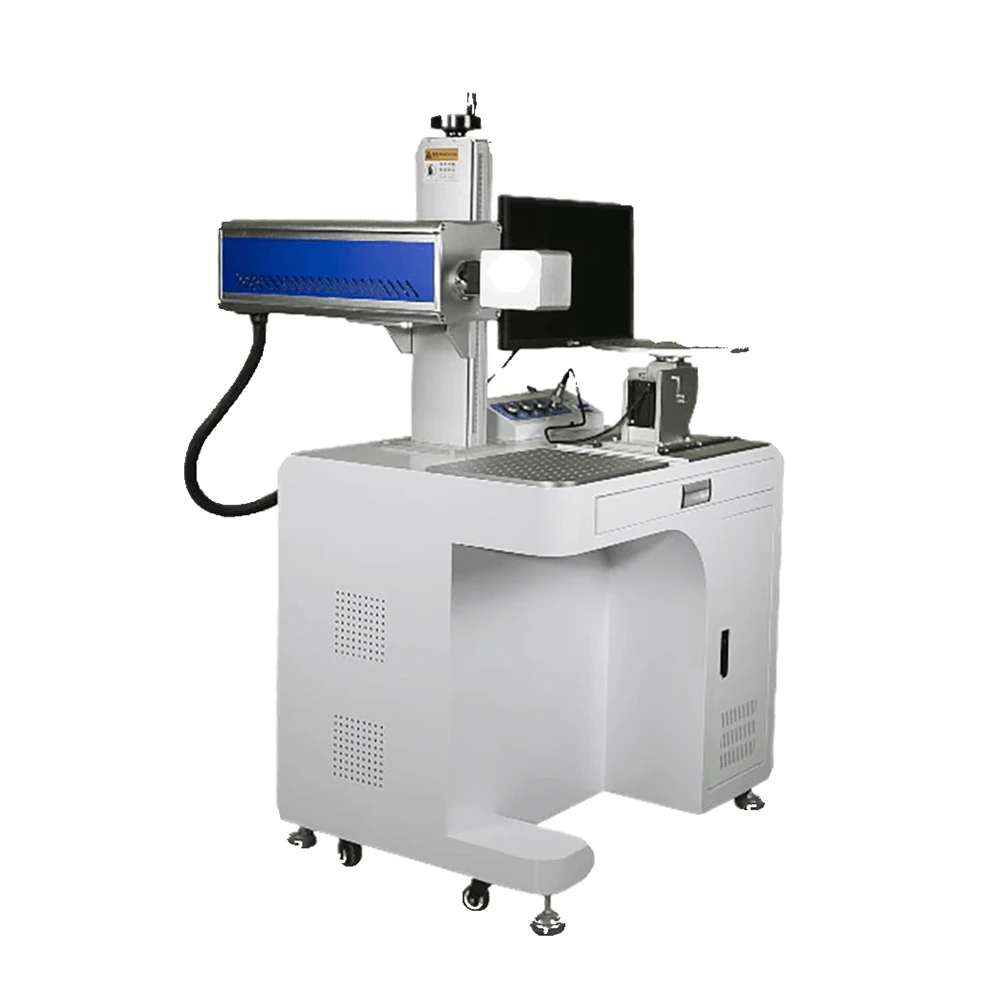
An enclosed UV build with a chiller option, for laboratory and clean-room marking of delicate parts.
View model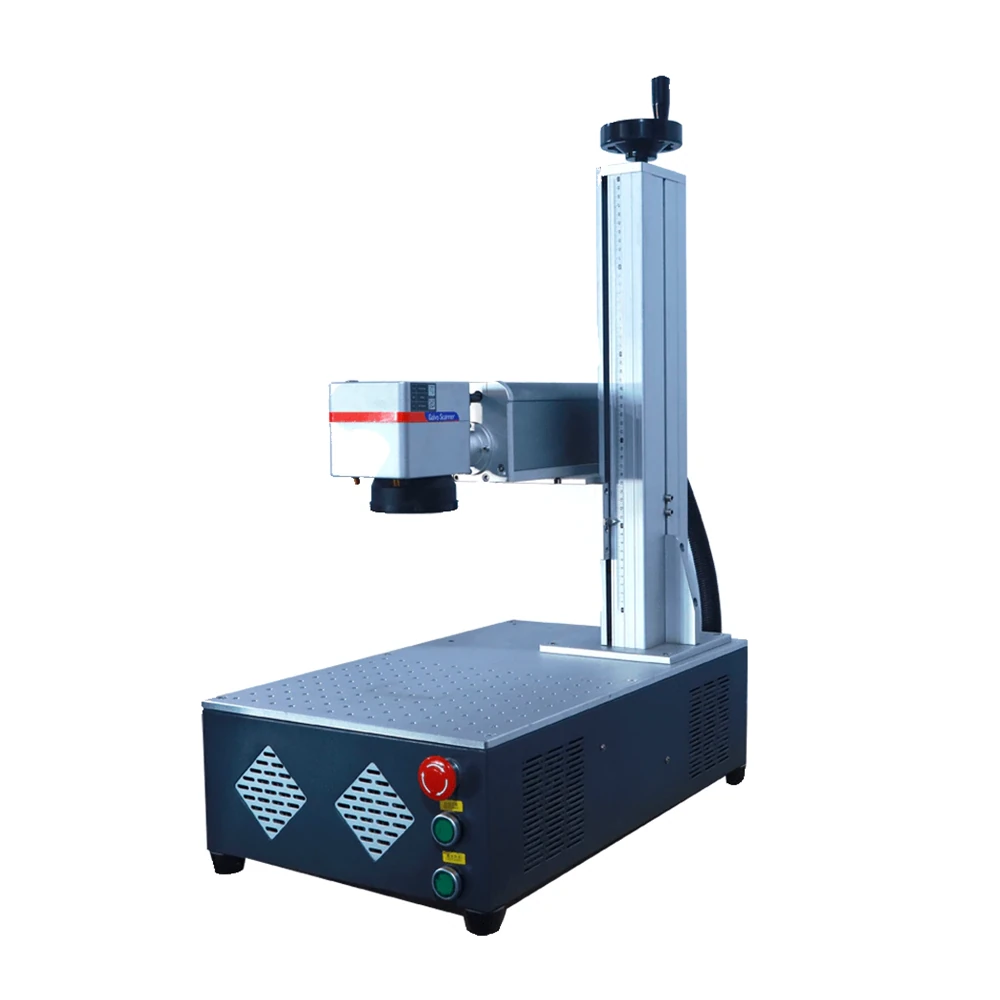
When the part is metal rather than heat-sensitive, MOPA adds colour marking and deep engraving to the same cabinet format.
View model