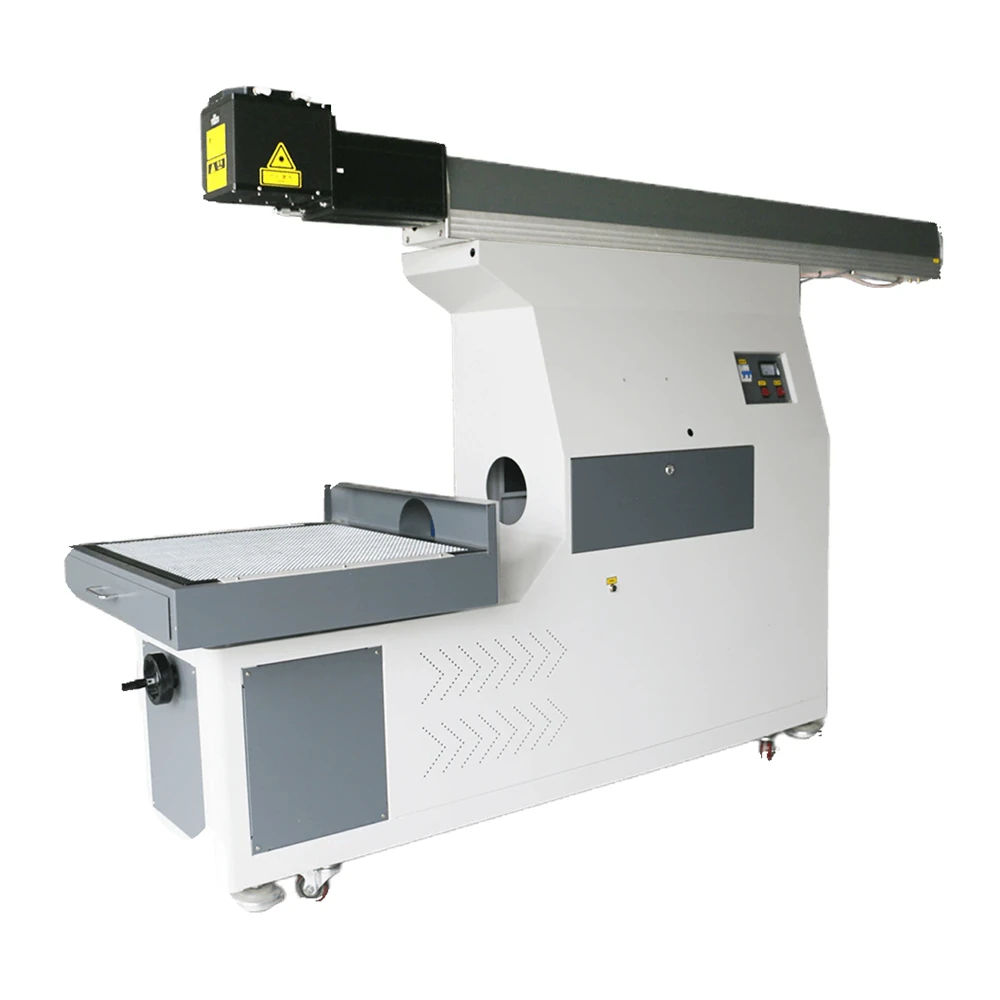
Large-Format 3D CO2 Laser Marking Machine
The same 3D surface logic on a much larger frame, with a CO2 source for non-metal and coated workpieces.
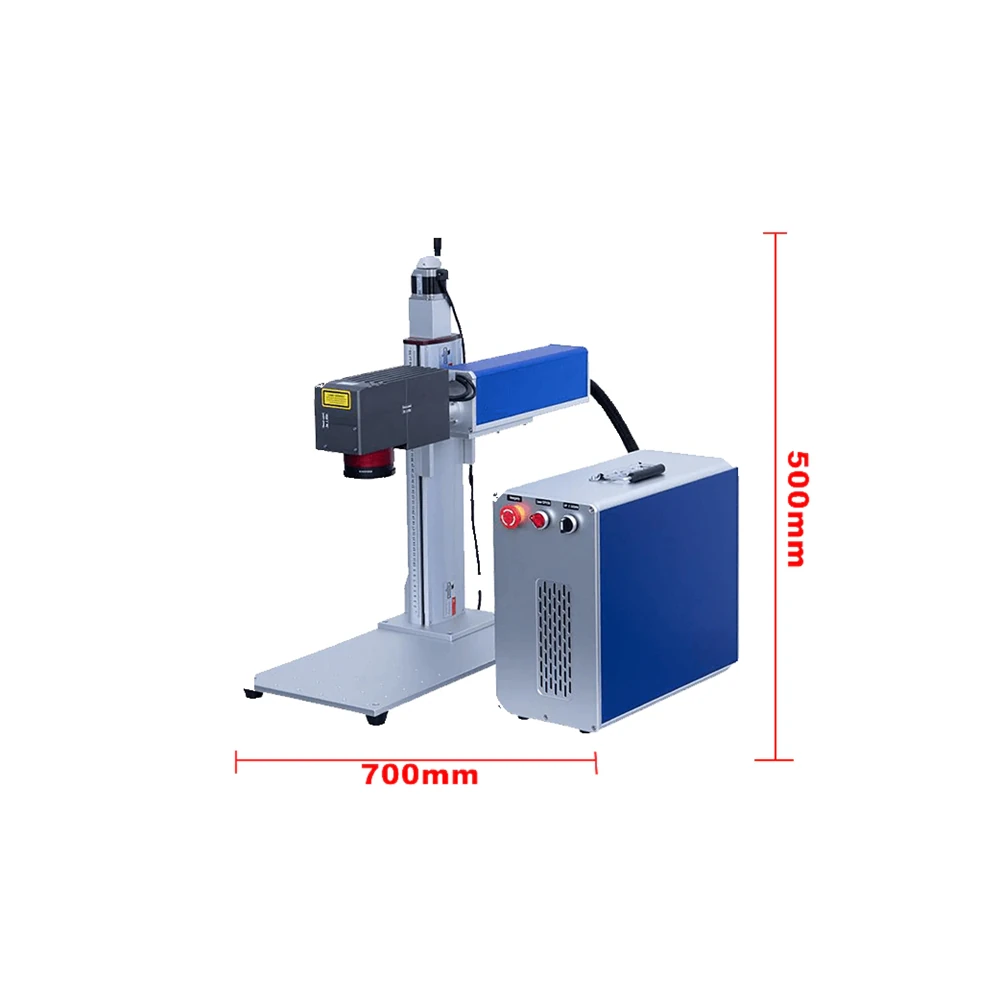
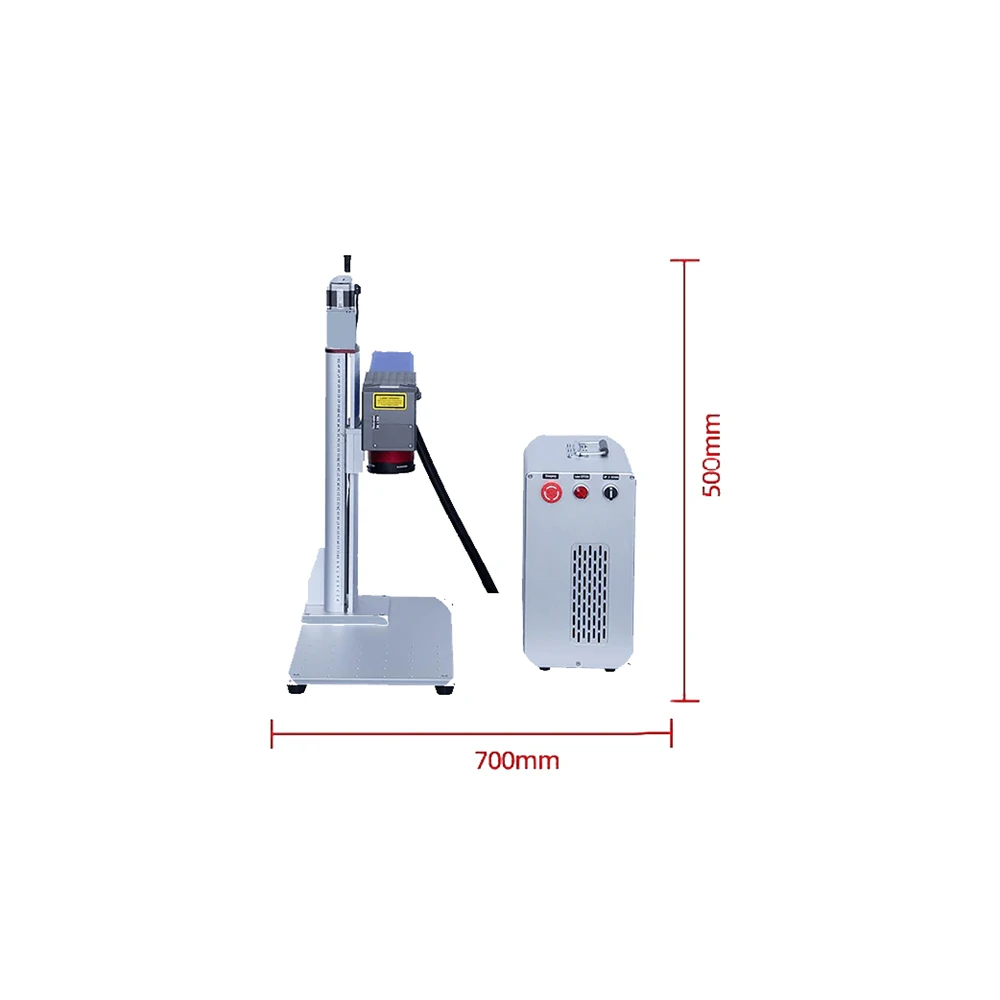
View modelA 700 x 500 x 550 mm cabinet that marks curved surfaces properly. The dynamic focus axis moves with the XY galvanometer, so steps, cones, tapers and large curved faces are engraved without the distortion a fixed-focus marker leaves behind.
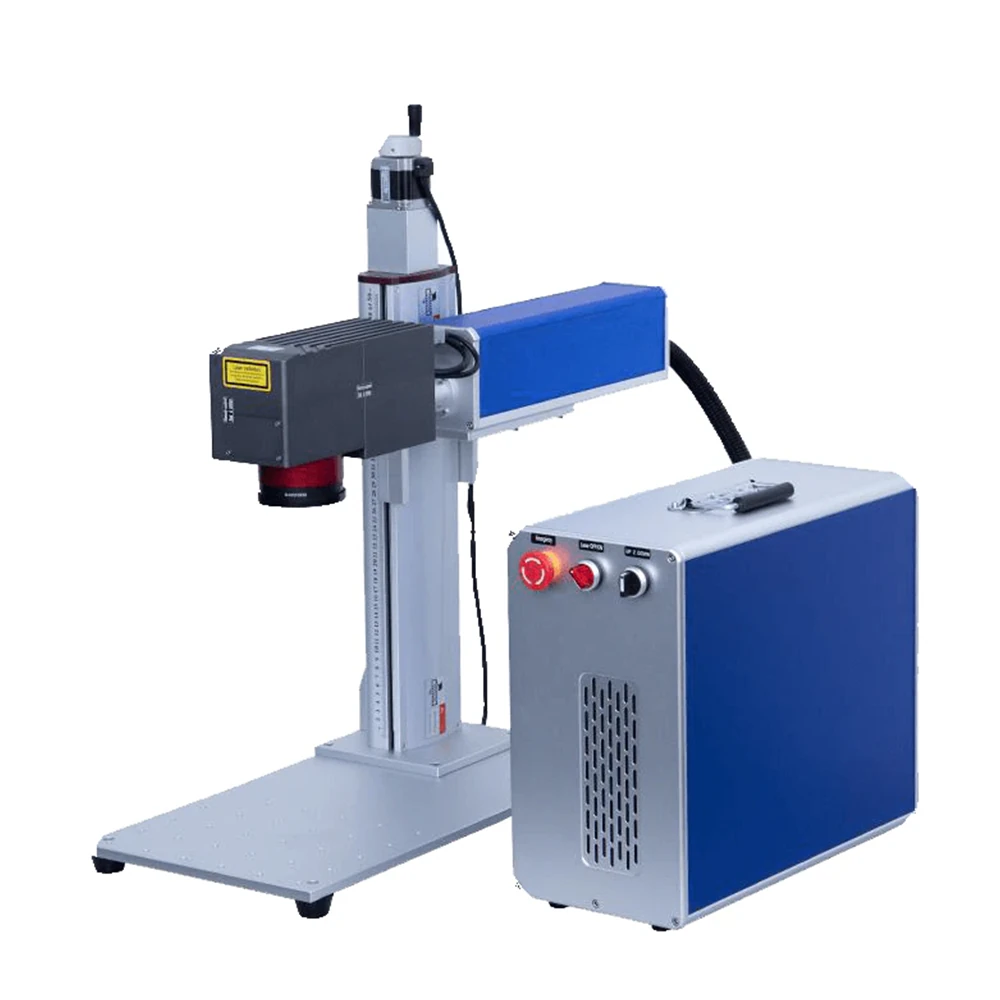
The two formats do the same job on different parts. This table is about where the machine has to live and what it can reach from there.
| Property | Mini 3D platform | Conventional 3D platform |
|---|---|---|
| Cabinet size | 700 × 500 × 550 mm, one-piece desktop cabinet | Floor-standing frame with a separate cabinet for the source and controls |
| Machine weight | About 55 kg | Built to stay in one position on the floor |
| Installation | Bench or trolley top, single-phase supply, air-cooled | Fixed foundation, more space around the machine for loading |
| Marking area | 200 × 200 mm maximum | Larger fields for big flat and contoured workpieces |
| Surface handling | Dynamic focus covers steps, cones, tapers and curved sections | Dynamic focus plus a longer Z travel for tall parts |
| Best-fit parts | Small to medium curved and machined components | Large, heavy workpieces that are difficult to lift onto a bench |
The right-hand column describes the general format of a floor-standing 3D marking platform rather than one specific model. Only the left-hand column repeats machine datasheet values. Send us the part and we will say plainly which of the two formats you need.
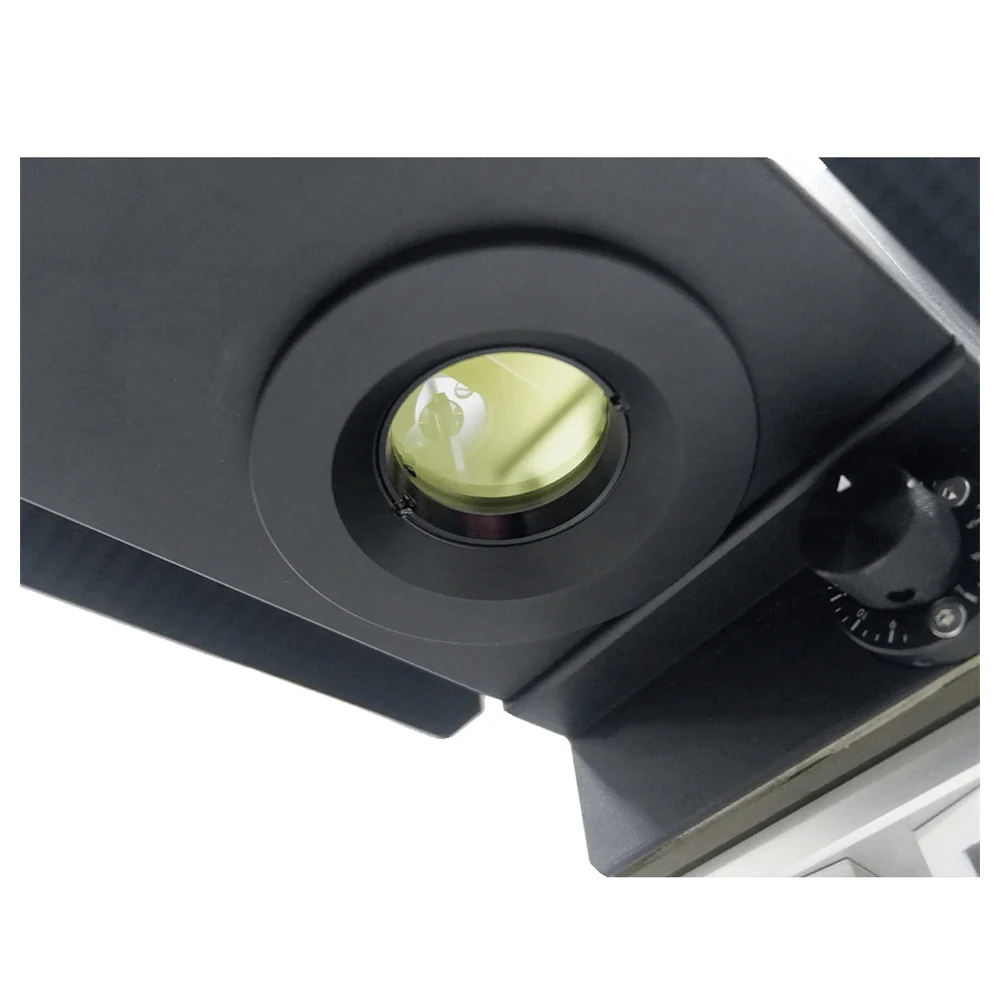
A fixed-focus marker keeps one flat focal plane, which is why a logo stretched over a cylinder goes soft at the edges. A 3D head does not accept that compromise.
Bearings, pistons, gears, tooling inserts and shaped gift items all share the same problem: the surface refuses to be flat.
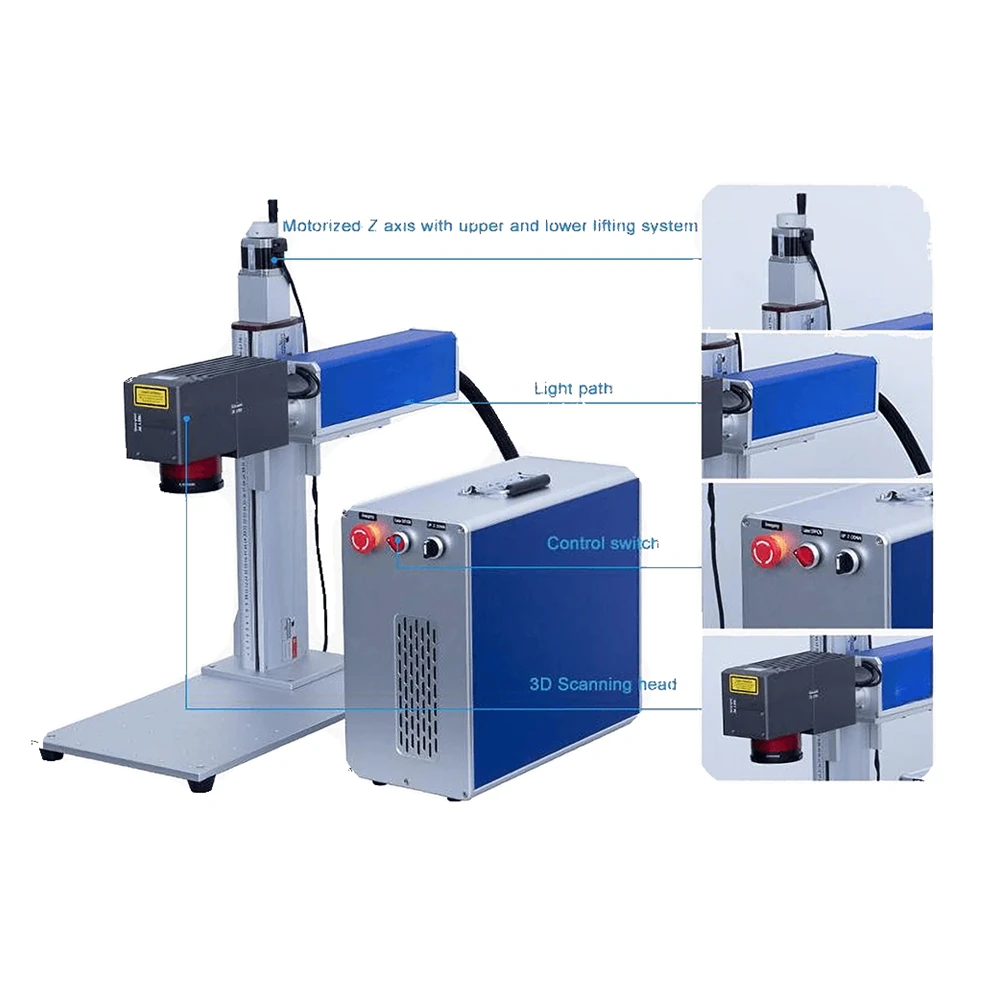
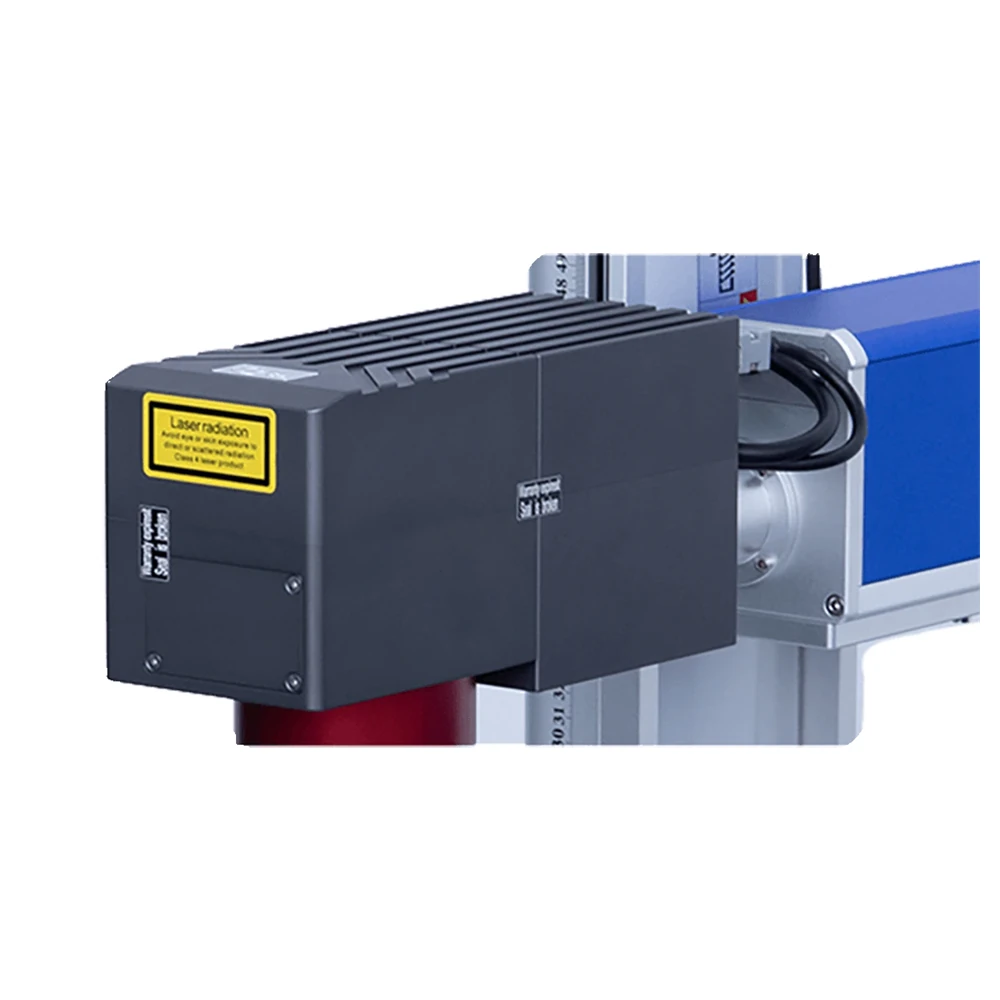
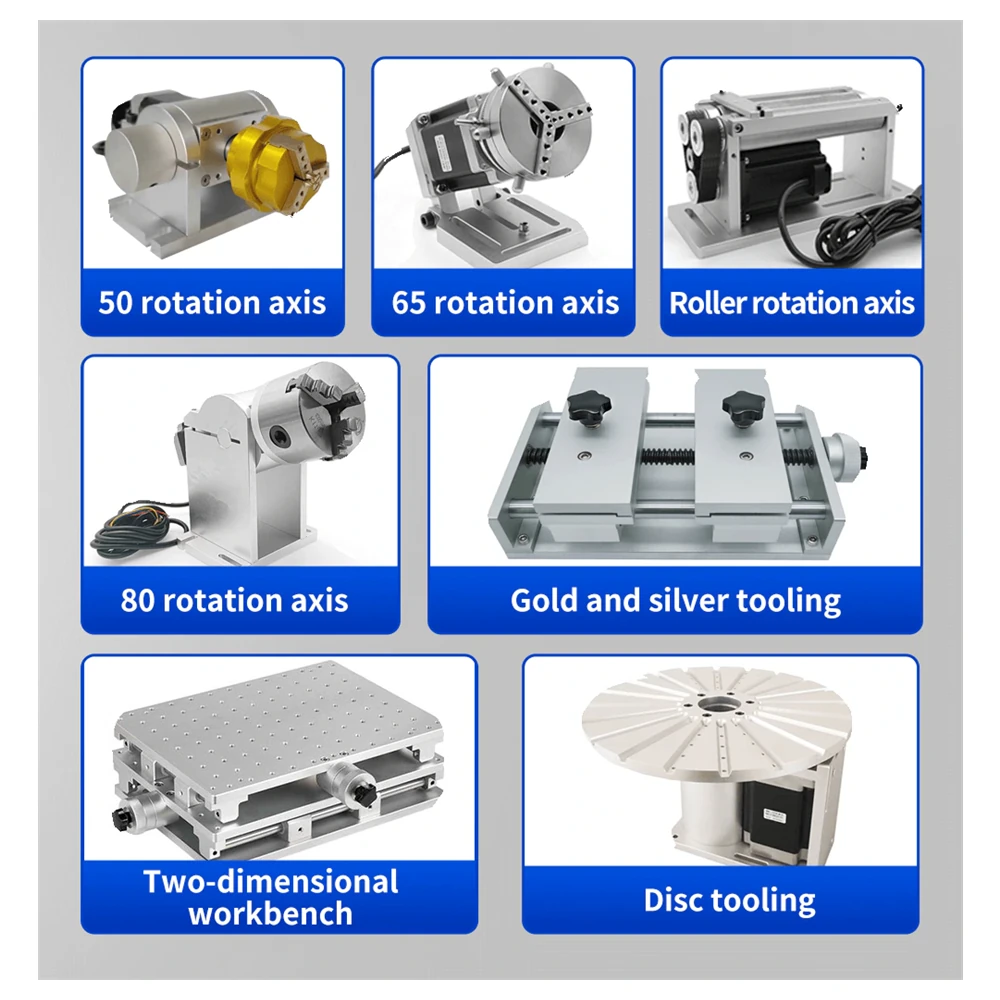
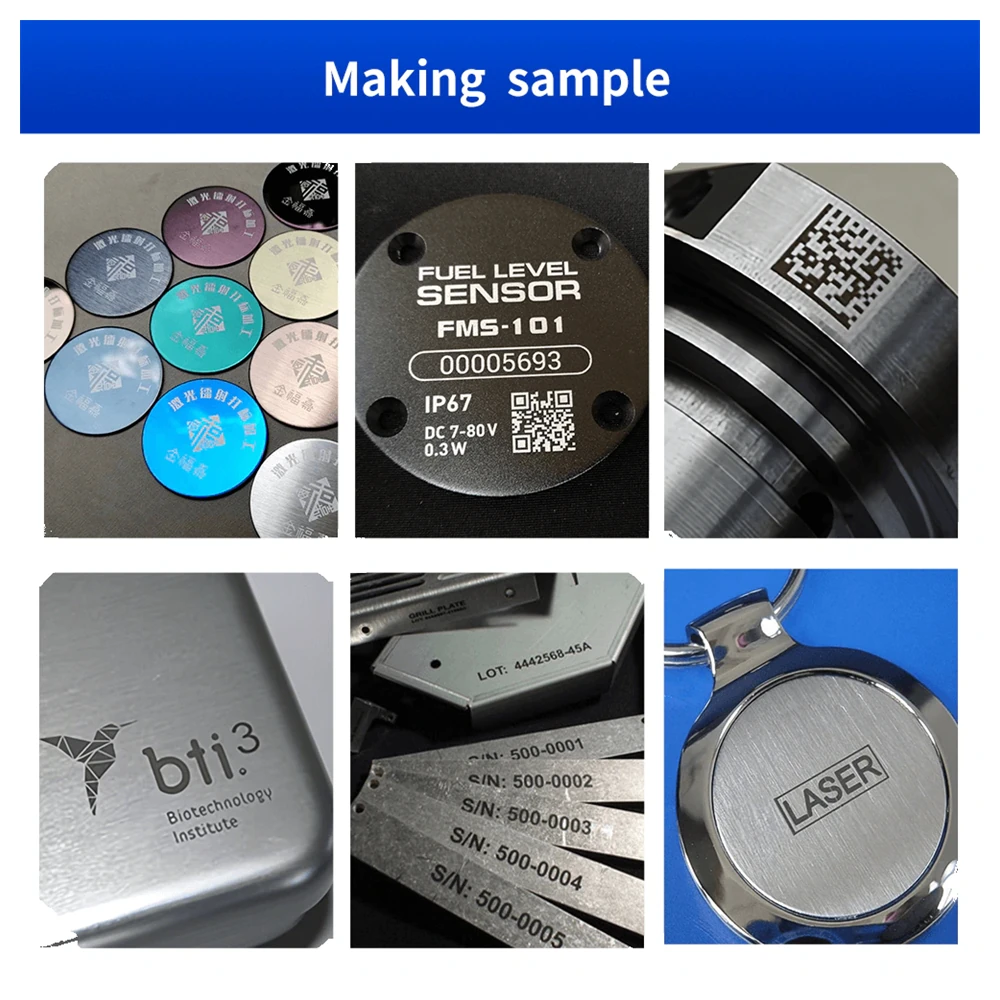
Bearings, pistons and gears are marked with a rotary axis while the dynamic focus keeps the character height constant around the curve.
Multi-level stepped faces and conical sections are marked in a single program, instead of being split into several flat operations.
Layered relief, deep engraving and surface texture are produced on shaped parts, which is the work a flat-field marker cannot attempt.
Four power levels share the same cabinet, scanner and software. Only the output and the power draw change.
| Parameter | KR-3D50-Mini | KR-3D60-Mini | KR-3D80-Mini | KR-3D100-Mini |
|---|---|---|---|---|
| Output Power | 50W | 60W | 80W | 100W |
| Machine Power Consumption | 550W | 760W | 640W | 700W |
| Galvanometer | 3D Sino-galvo | 3D Sino-galvo | 3D Sino-galvo | 3D Sino-galvo10 |
| Marking Area | 200 × 200 mm maximum | |||
| Marking Line Width | 0.01 mm – 0.1 mm | |||
| Minimum Character Size | 0.15 mm | |||
| Power Adjustment | 0–100%, stepless | |||
| Marking Speed | 0–7,000 mm/s | |||
| Fiber Cable Length | 3 m | |||
| Laser Wavelength | 1064 nm | |||
| System Software | Eastern System | |||
| Cooling Method | Air-cooled | |||
| Supply Voltage | 110V / 220V, 50/60 Hz | |||
| Machine Dimensions | 700 × 500 × 550 mm | |||
| Machine Weight | About 55 kg | |||
The product introduction describes an integrated marker weighing 15.5 kg, while the machine parameters table gives about 55 kg for the KR-3D50-Mini to KR-3D100-Mini range. The technical table values are used on this page. The scanner is also referred to as a 3D FEELTEK F10 in the product description and as 3D Sino-galvo in the parameter table; the parameter table designation is used here and the actual unit is confirmed on the order.
Three elements decide whether a 3D job comes out sharp: the focusing axis, the software that drives it and the bench the part sits on.
The galvanometer and the dynamic axis are controlled together, which extends marking beyond flat work into curves, inclines, cones and multi-level steps.
A three-dimensional interface with import, edit and mapping tools. It coordinates the dynamic axis with the XY galvanometer for layered relief and texture etching.
Multiple threaded holes accept a dedicated fixture plate, and the aluminium body gives stability, heat dissipation and a long service life under heavy use.
A 3D job starts in the model, not at the machine. These four steps keep the setup predictable.
Load the 3D model or the surface data into the software and check that the orientation matches the part on the bench.
Place the graphic or texture on the mapped surface and set the depth, line spacing and power for the material.
Locate the workpiece on the aluminium bench, using the threaded holes for a fixture plate or the rotary axis for cylindrical parts.
Mark the first part, check depth and edge quality against the approved sample, then lock the job file for production.
What is included with the machine, and how the first 3D job is brought into production.
The cabinet needs a single-phase supply and ventilation space. There is no water circuit to service and no chiller taking up bench room.
Two years of cover with free replacement parts for any failure in the period, plus lifetime support by email, WhatsApp and remote session.
Air express with DHL, FedEx, TNT or UPS, or air and sea freight for larger quantities. Tracking is issued at dispatch.
T/T bank transfer, PayPal and Western Union are accepted. Volume terms are agreed per order and documentation is confirmed before production.
The focusing axis moves in step with the XY galvanometer. Instead of holding one fixed focal plane, the head follows the surface, so steps, cones, inclined faces and curved sections are marked without distortion.
The cabinet measures 700 x 500 x 550 mm and weighs about 55 kg, so it can stand on a bench or a trolley instead of taking a dedicated position on the factory floor.
Brass, carbon steel, mould steel, stainless steel and silicon carbide are all covered. The 1064 nm source gives deep, high-contrast results on metal surfaces and can also mark coated and textured parts.
Eastern System runs the machine and Eastern Logic 3DS handles the dynamic focus control. The 3D interface lets the operator import, edit and map a three-dimensional model, and the software coordinates the dynamic axis with the XY galvanometer for layered relief, deep engraving and texture etching.
For 3D marking applications we recommend 50W or higher. The range covers 50W, 60W, 80W and 100W, and the larger powers give deeper engraving, wider application coverage and reliable long-term performance.
The maximum marking area is 200 x 200 mm, the line width range is 0.01 to 0.1 mm, the minimum character size is 0.15 mm and marking speed runs from 0 to 7,000 mm/s.
No. The machine is air-cooled, which keeps the installation simple. The cabinet is built from sturdy metal sheet so the desktop stays stable during deep engraving operations.
Automotive, aerospace, medical devices, electronics and semiconductors, tool and die making, promotional gifts, watches and accessories, and sculptural or trophy work where curved surfaces and deep engraving are common.
If the curved parts are larger than a 200 mm field, or if the job is flat after all, one of these platforms will suit better.
The same 3D surface logic on a much larger frame, with a CO2 source for non-metal and coated workpieces.
View model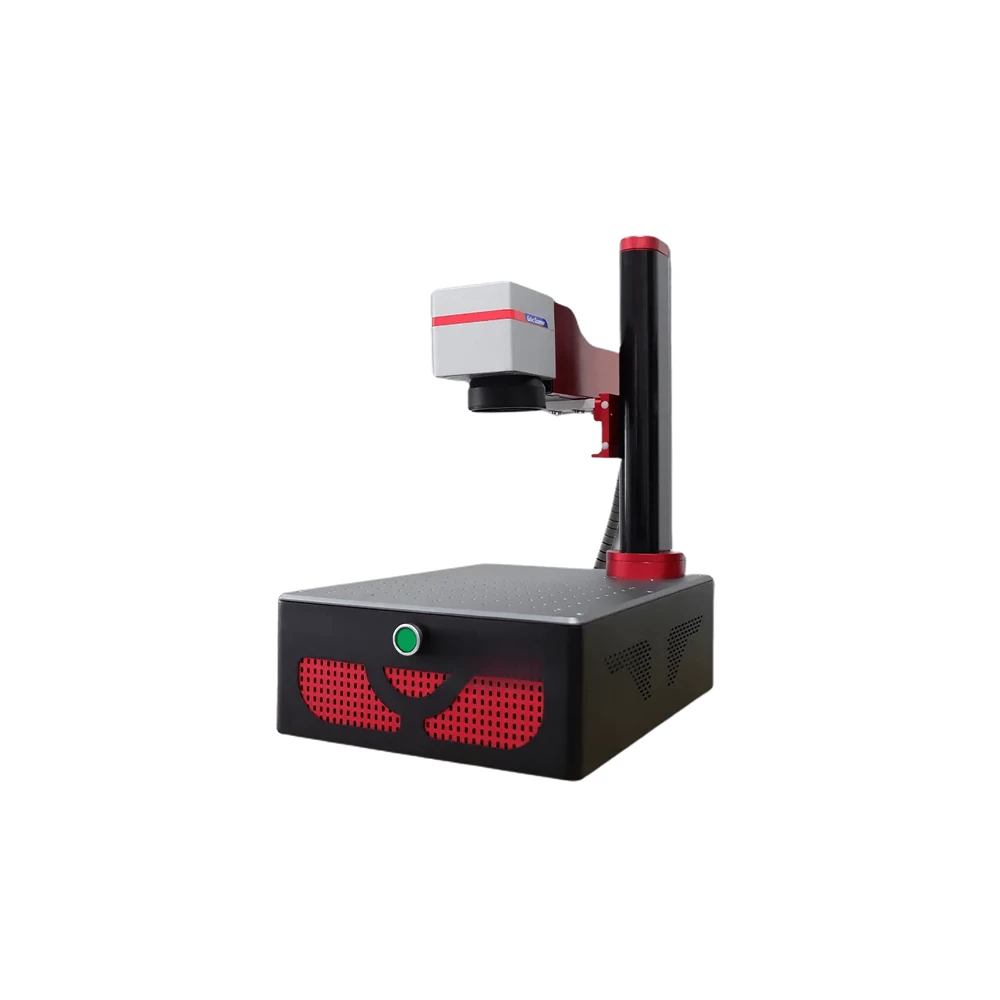
A column that folds down for transport and opens to a full working height where bench space is limited.
View model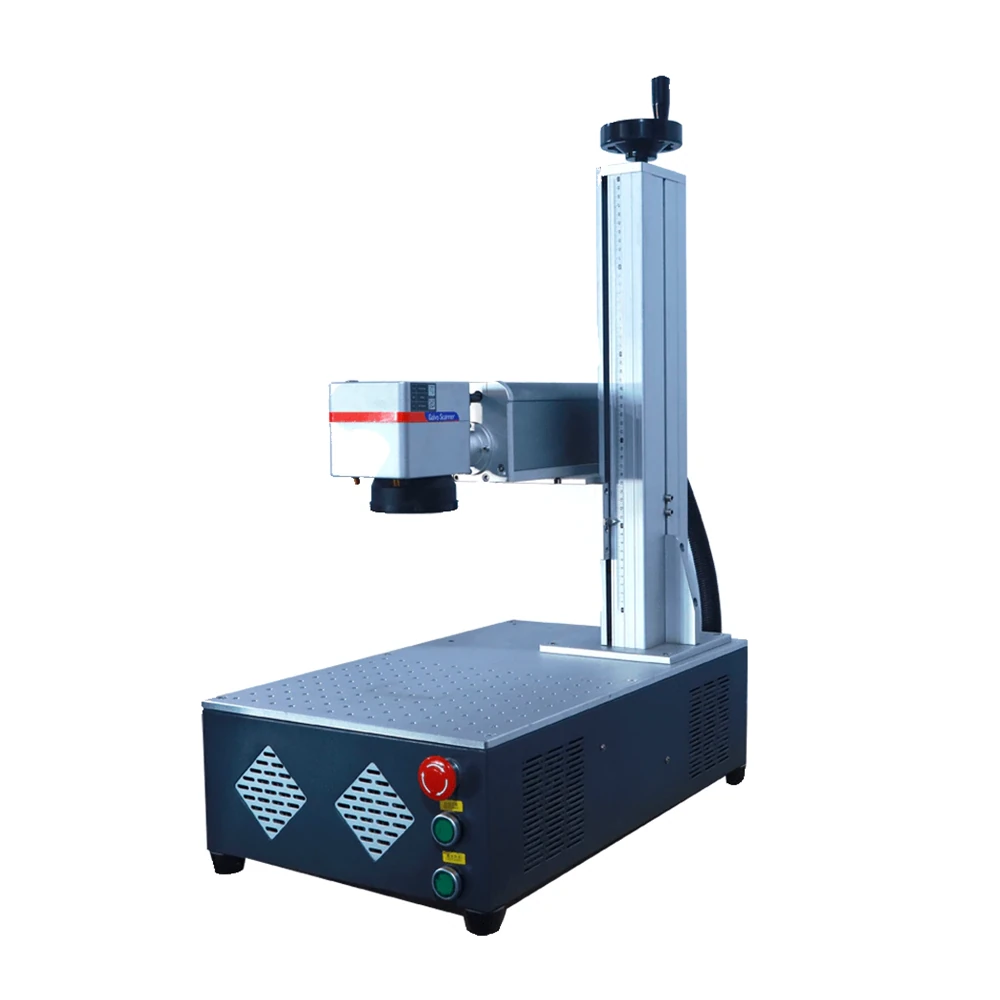
Adjustable pulse width for colour marking and fine contrast on flat parts, in a compact portable housing.
View model