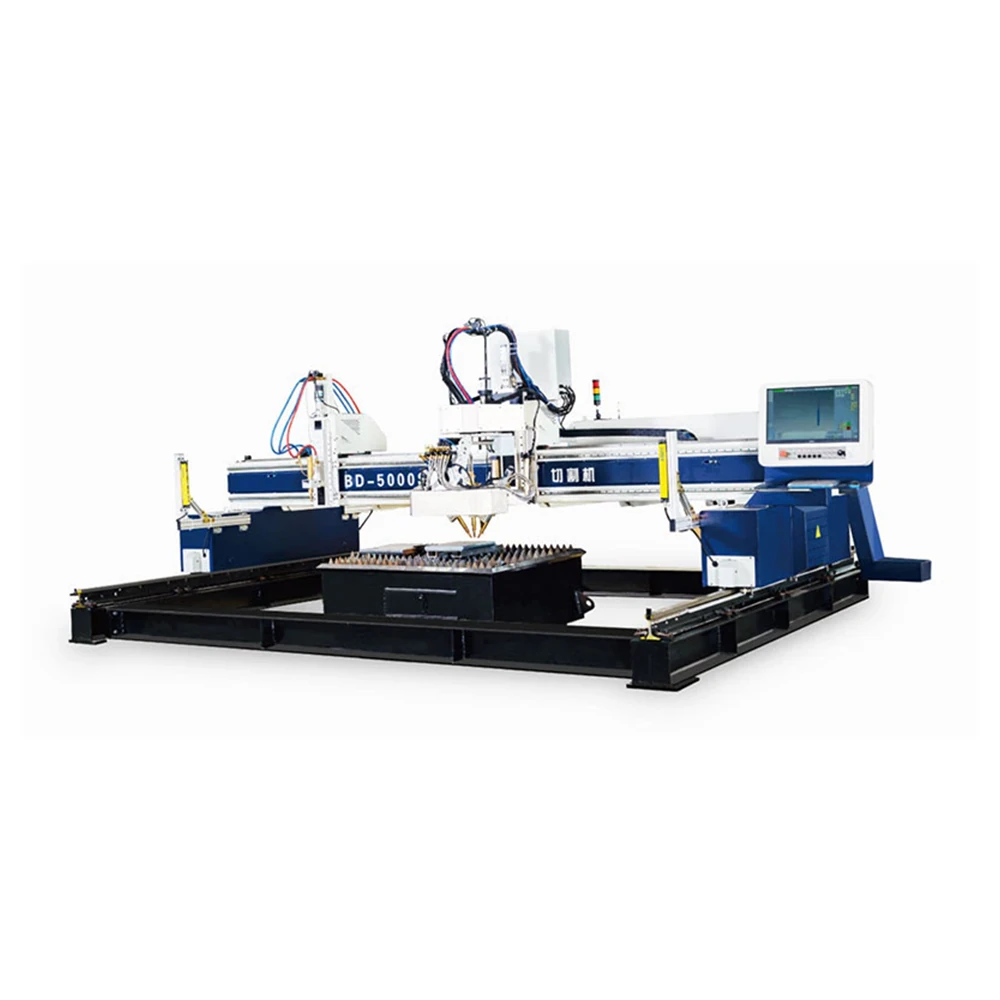
Triple-Torch Rotary Flame Cutting Machine
Rotary three-torch oxy-fuel platform for thick plate at volume, with automatic gas control and optional edge inspection and marking.
View modelA flame cut is only as good as the gas that reaches the nozzle. The BDIF platform turns that judgement over to the control system: it reads the plate type, thickness and nozzle, picks the process automatically, and holds the gas pressure steady — then cuts V, X, Y and K bevels straight into the edge on straight and curved paths.
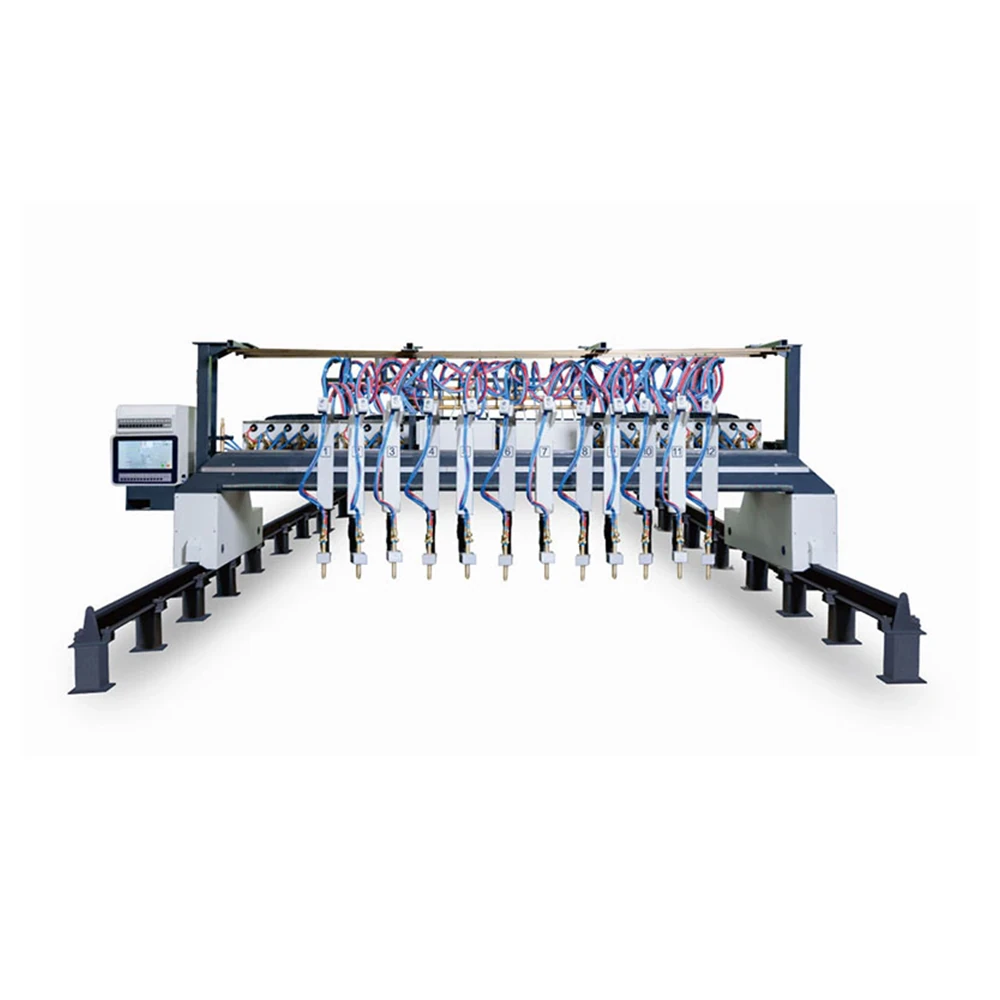
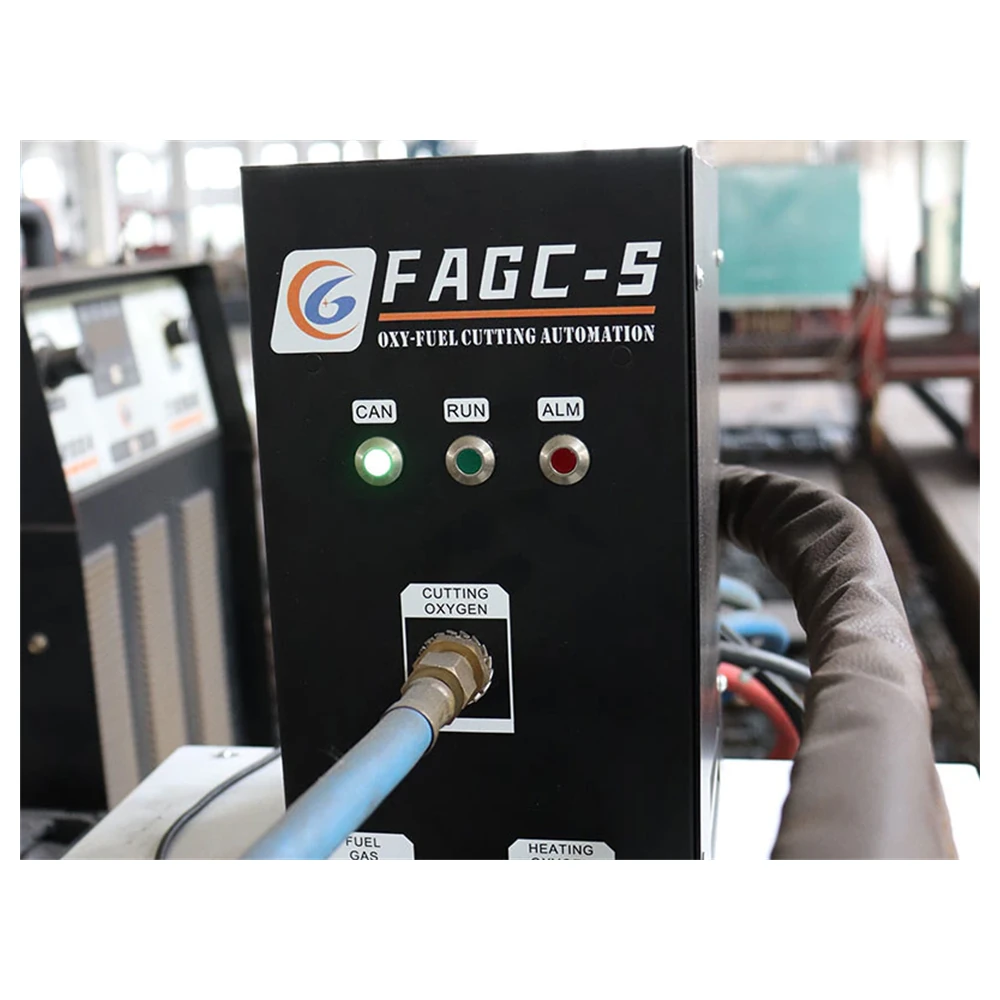
BDIF is a dedicated cutting control system built to automate flame cutting. It does three things that a generic CNC does not: it selects the process, it controls the gas, and it keeps a parameter library for the work you actually run.
Enter the plate type, thickness and nozzle, and the system picks the cutting process and parameters from its library rather than leaving it to guesswork.
An automatic gas control box regulates the oxygen and fuel gas so the flame stays constant and the cut quality does not drift across a long plate.
A dedicated library of cutting parameters is stored on the control, so proven jobs are recalled rather than rebuilt each time.
The machine cuts V, X, Y and K bevels on straight and any curved path, holding an accuracy of about ±1 mm. The bevel is produced as part of the profile, so a hand grinding step on the weld preparation disappears.
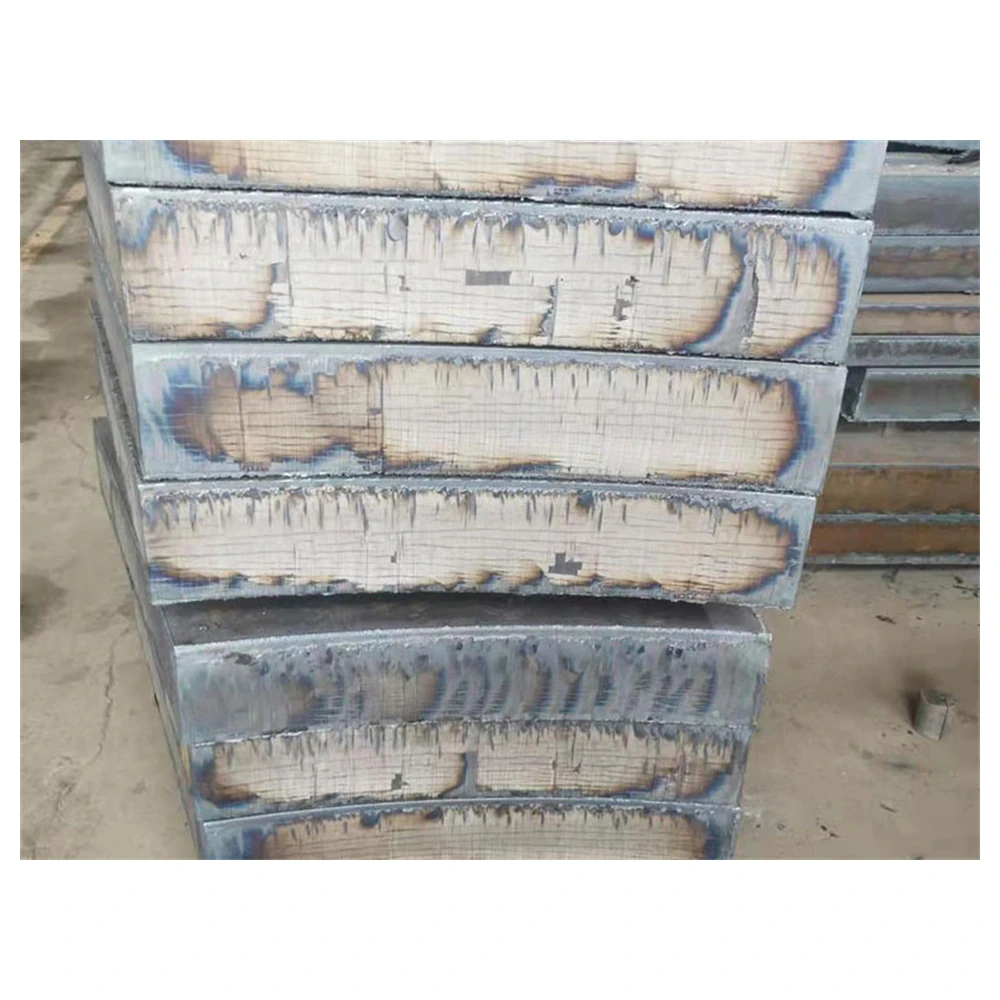
A single angled face on each plate, closing into a V. The default preparation for medium and thick plate welded from one side.
Angled faces on both sides of the plate for joints welded from both faces where full penetration is required.
A vertical land under an angled face, which controls the root gap on heavy sections.
A double-sided Y form giving a symmetrical preparation on thick plate welded from both faces.
Automatic edge inspection finds the plate edge and sets the origin, which keeps nesting accurate on plate that is not cut square.
Automatic gas distribution balances supply across the torch set, keeping pressure stable when more than one torch is fitted.
Part identification is marked onto the plate in the same cycle, so parts can be traced after cutting.
A rotary flame torch extends bevel cutting to curved paths where a fixed angled torch cannot follow the contour.
Table size, track length and extension modules are confirmed on the build sheet. The items below define the platform.
| Parameter | Specification |
|---|---|
| Model | BDIF |
| Cutting process | Oxy-fuel flame cutting |
| Control system | Dedicated CNC cutting control with automatic process parameter library |
| Process selection | Automatic, from plate type, thickness and nozzle model |
| Gas control | Automatic gas control box with advanced pressure stabilisation |
| Bevel forms | V, X, Y and K on straight and any curved path |
| Bevel accuracy | About ±1 mm |
| Control interfaces | Bus control and IO control |
| Extension modules | Automatic edge detection, automatic gas distribution, automatic marking, automatic multi-torch spacing, rotary flame bevel cutting |
| Typical thickness band | Roughly 6–300 mm (process guidance, not a fixed machine limit) |
| Table size | Built to order |
The source datasheet for this model describes the BDIF control system, its automatic process selection and its extension modules rather than a fixed parameter list. Table size, track length, gas mix and module combination are therefore confirmed against your drawing before production. Thickness bands are typical process guidance verified with a test cut on your plate.
Six published characteristics of the BDIF platform, and what each one delivers on the shop floor.
Steady gas pressure at the nozzle keeps the kerf and edge uniform for the whole plate, not just the first metre.
A control system built for flame cutting rather than adapted to it, so process selection and gas control sit in one place.
High-quality gas control components are used throughout, which is what makes the pressure and flow control repeatable.
Fine control of oxygen and fuel gas lets the process be tuned per plate and nozzle instead of run at a compromise setting.
Proven parameter sets are stored and recalled, cutting the setup time on repeat work to almost nothing.
Both control routes are supported, so the machine runs stand-alone or as part of a wider automated line.
Four figures and two interfaces that describe the system.
A flame-cut edge is square and mechanically sound but carries a wider heat-affected zone, so it is normally machined before a critical weld.
The process runs on oxygen and fuel gas with a nozzle, which simplifies consumable management on heavy carbon plate.
Process, gas and parameters live in the same control, so a proven job is recalled with a single selection.
Because the control carries the process library, the cycle is short and repeatable.
Load the nesting file and set the plate type, thickness and nozzle model on the control.
The control selects the cutting process and parameters, then sets the gas pressures through the automatic gas console.
Edge detection sets the origin; the torch cuts the profile and any V, X, Y or K bevel in the same pass.
With the marking extension fitted, the part is identified on the plate before unloading and the next nesting is called up.
This platform suits work where the cut edge is the start of a weld, not the end of the operation.
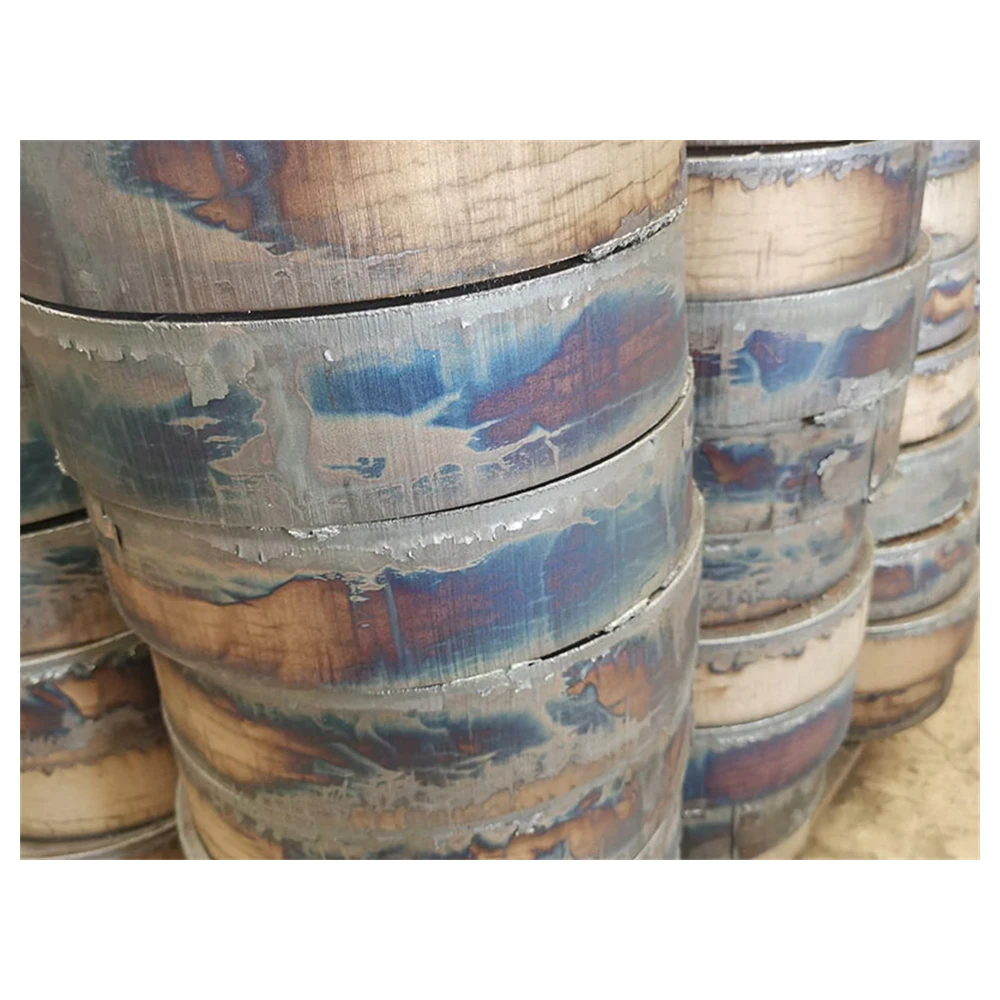
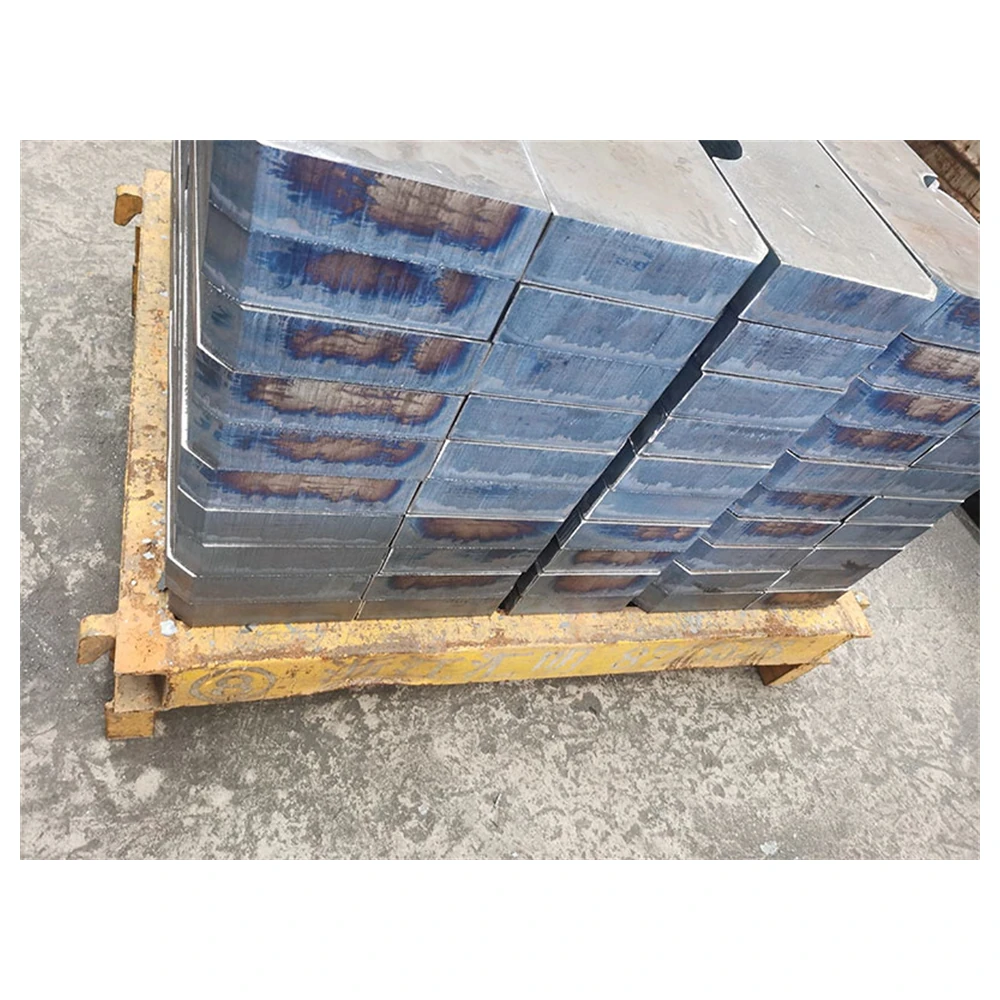
Beams, gussets and base plates cut to size with V and K bevels prepared in one pass for full-penetration welds.
Shell plates and heads in heavy carbon steel, with bevels that match the weld procedure and a repeatable root gap.
Thick base plates profiled accurately and handed straight to machining, with the marking extension keeping parts traceable.
Configuration is agreed before production and support does not depend on shipping the machine back to us.
Sea freight for gantry tables, with air freight for urgent spare parts. Rails and carriage are braced for transport.
Gas train setup, alignment and parameter loading are covered by drawings and remote video commissioning.
Parts covered, with free replacement components and lifetime engineering support for the life of the machine.
Your proven jobs are saved as named parameter sets and handed over with the machine, so production starts from a known point.
The operator enters the plate type, the thickness and the nozzle model. The control system then selects the cutting process from its dedicated parameter library, sets the gas pressures and cutting speed, and runs the cut. That removes the guesswork that normally sits with the operator and makes the result repeatable from shift to shift.
The machine cuts V, X, Y and K bevels on both straight and curved paths, holding an accuracy of about plus or minus 1 mm. The bevel is produced as part of the profile, so a separate grinding or machining step on the weld preparation can be avoided.
The published extensions are automatic edge detection, automatic gas distribution, automatic marking, automatic multi-torch spacing and rotary flame bevel cutting. Each is specified against the job, so the machine is built with the modules the work needs.
A flame cut is only as consistent as its gas supply. The platform uses advanced pressure stabilisation with high-quality gas control components so the oxygen and fuel gas reach the nozzle at a steady pressure, which is what keeps the kerf and the edge quality uniform over a long plate.
Oxy-fuel flame cutting is the heavy-plate process. As guidance it covers roughly 6 mm upward and is the only practical thermal route beyond about 100 mm. On thin plate plasma is normally the better choice. Send the plate grade and thickness and we confirm the nozzle, gas set and cutting speed for your work.
The system supports both bus control and IO control, so it can run as a stand-alone cutting table or be integrated into a wider production line. Standard CAD and nesting files are accepted, and the control is delivered with an English interface and parameter set.
A standard BDIF platform ships in roughly 25 to 40 working days, with table size, track length and extension modules adding to that. The machine is assembled, aligned and test cut before packing, and we provide English manuals, drawings, remote video commissioning and lifetime technical support.
BDIF suits heavy plate with weld preparation. Compare these builds from the same range, or see all CNC cutting machines.
Rotary three-torch oxy-fuel platform for thick plate at volume, with automatic gas control and optional edge inspection and marking.
View model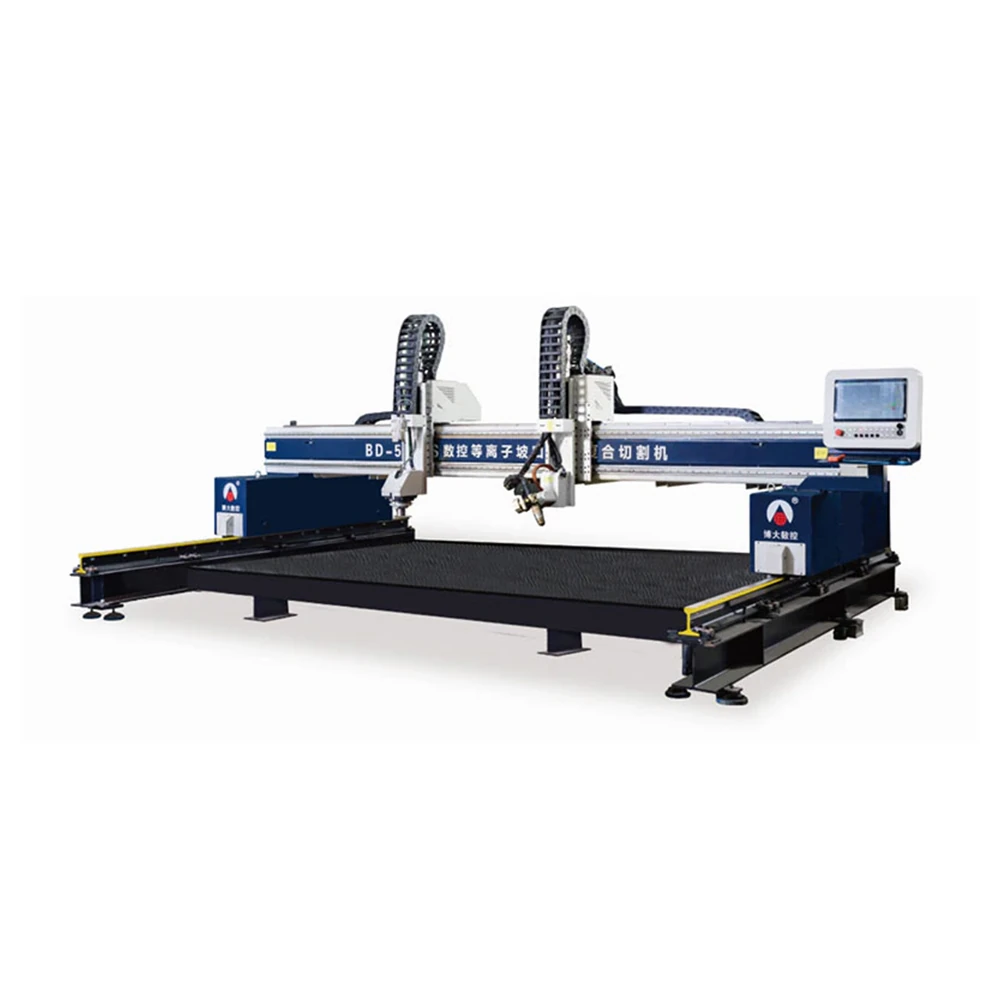
Fifth-generation plasma bevel platform for carbon and stainless plate, holding bevel accuracy to about ±0.5 mm.
View model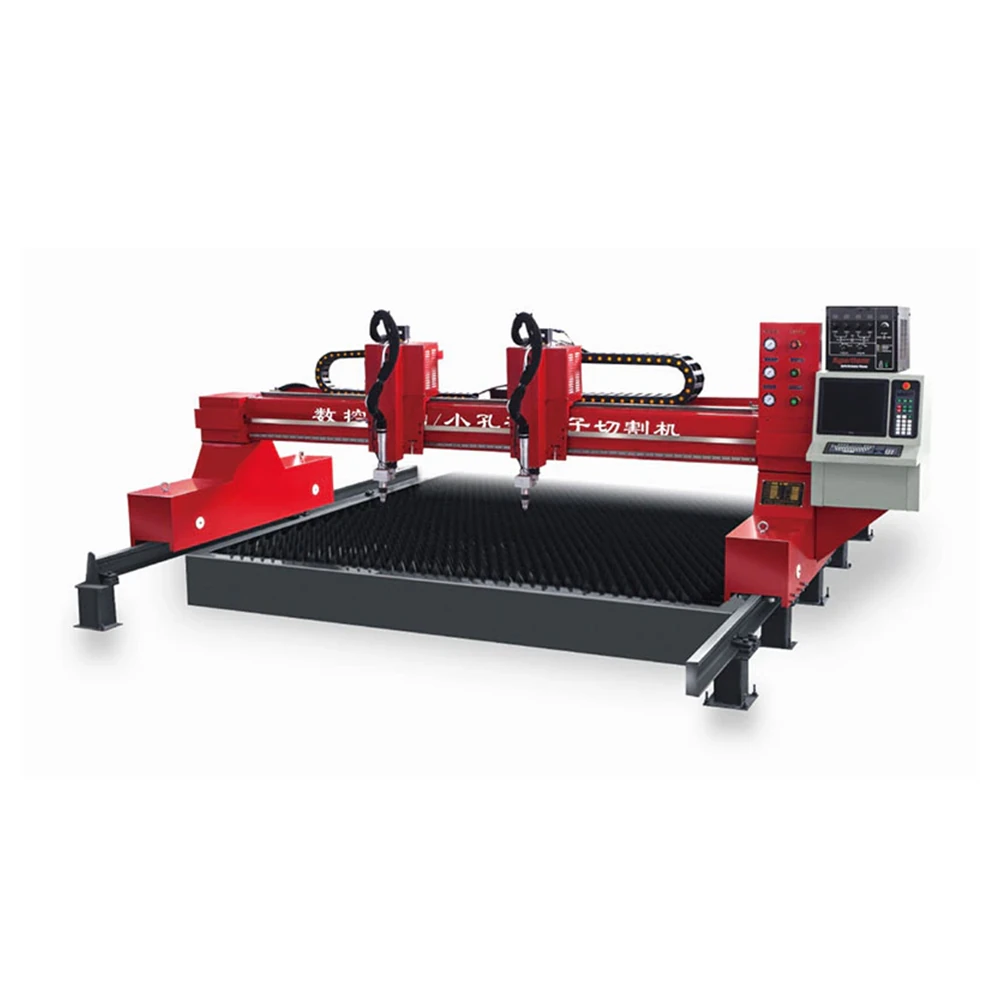
BDPC series with two high-precision plasma heads for fast parallel profiling of arcs, slots and irregular flat parts.
View model