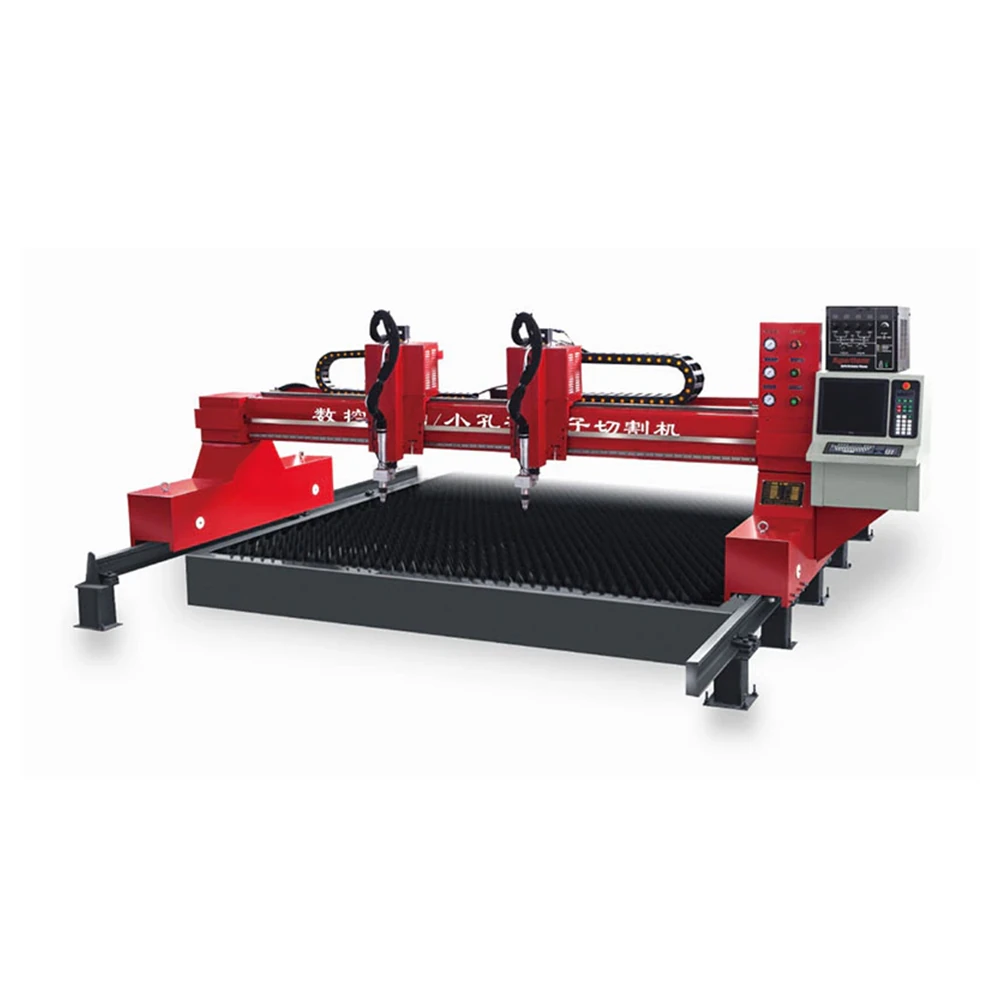
Dual-Head Plasma Cutting Machine
BDPC series with two plasma heads for fast parallel profiling of arcs, slots and irregular flat parts.
View modelBevel cutting is a small movement with a large consequence: get the angle and the root gap right and the weld closes cleanly; get it wrong and the fitter pays for it on every joint. This fifth-generation platform automates straight and bevel cutting on carbon and stainless plate, holding the bevel to about ±0.5 mm, built on fifteen years of bevel cutting experience.
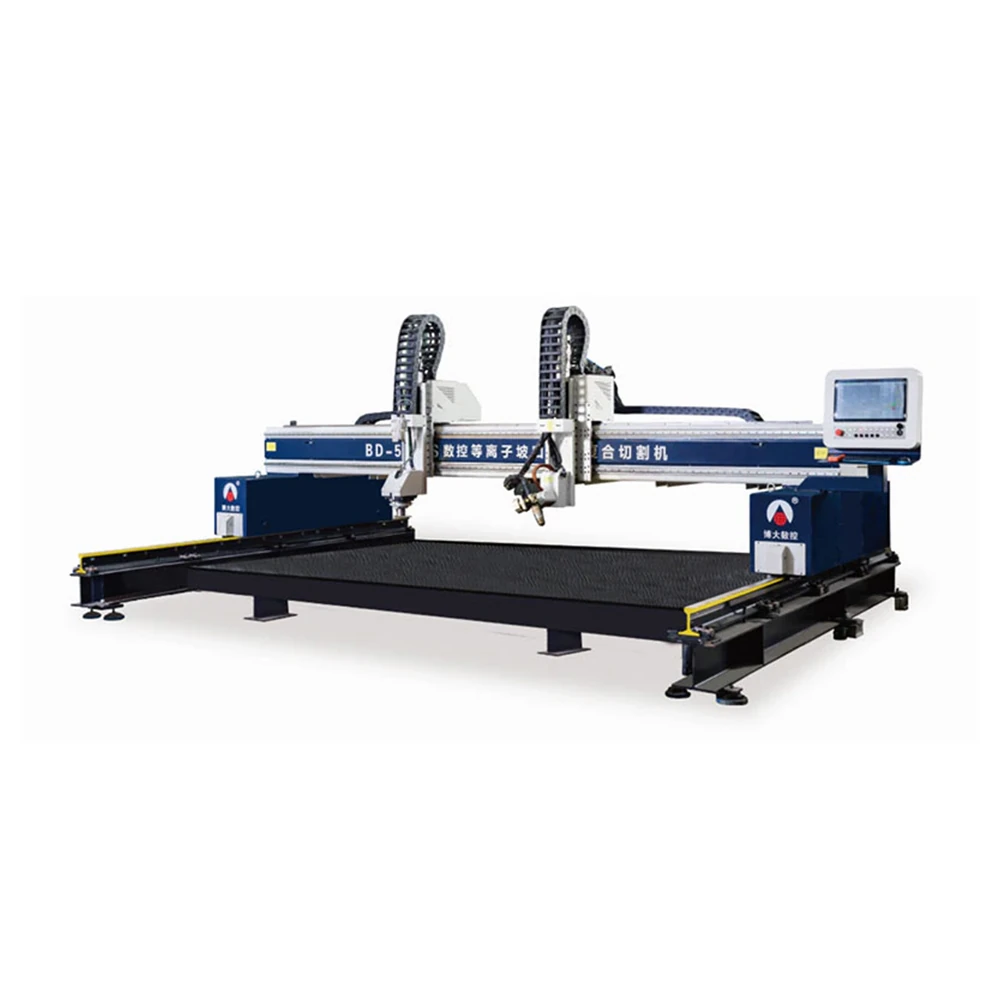
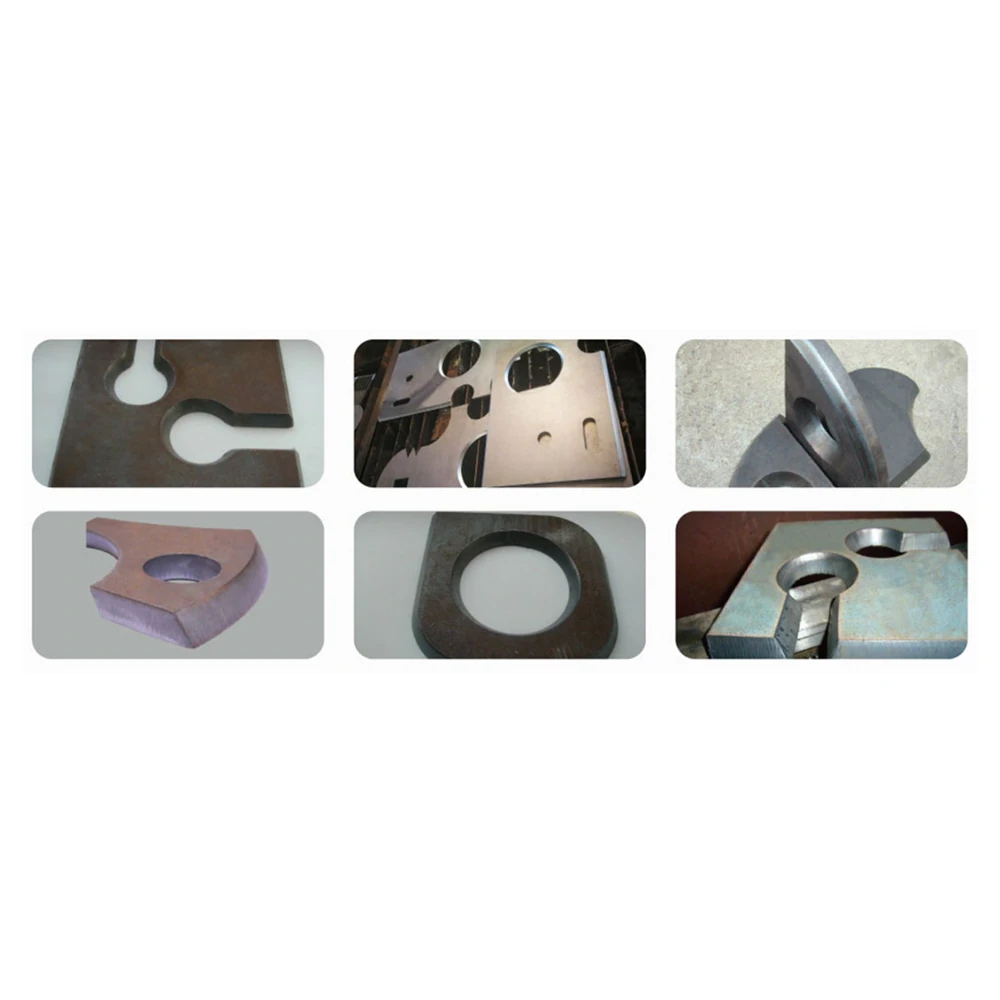
This machine automates the whole cut, from the straight profile through to the angled weld preparation. Because both are handled by the same control, the angle, the root gap and the cut speed are set together rather than tuned separately.
Table size, plasma source and marking device are confirmed on the build sheet. The items below define the platform.
| Parameter | Specification |
|---|---|
| Generation | Fifth generation, built on fifteen years of bevel cutting experience |
| Cutting process | Plasma, straight cutting and bevel cutting |
| Materials | Carbon steel and stainless steel plate |
| Bevel accuracy | About ±0.5 mm |
| Process automation | Automatic control of the full straight and bevel cutting process |
| Marking device | Optional automatic marking device |
| Typical thickness band | Roughly 1–50 mm, with the weld-prep band from about 6 mm (process guidance, not a fixed machine limit) |
| Quality system | ISO 9001 across design, manufacturing, installation and commissioning |
| Table size | Built to order |
The source datasheet for this model describes the generation, the materials it cuts, its automation and its bevel accuracy rather than a fixed parameter list. Table size, track length, plasma source ampere rating, gas set and marking device are therefore confirmed against your drawing before production. Thickness bands are typical process guidance verified with a test cut on your plate.
Straight cutting produces the part; bevel cutting produces the joint. The table below separates what each mode delivers on carbon and stainless plate.
| Attribute | Straight cutting | Bevel cutting |
|---|---|---|
| Purpose | Profile the part outline | Prepare the weld face and root gap |
| Materials | Carbon and stainless steel plate | Carbon and stainless steel plate |
| Edge produced | Vertical, near-finished clean edge | Angled face with a controlled land and root gap |
| Stated accuracy | Governed by the CNC and torch height control | About ±0.5 mm on the bevel |
| Downstream operation | Deburr and fit up | None required for the weld preparation |
| Heat effect | Narrow heat-affected zone | Narrow heat-affected zone, less edge dressing than flame |
| Best fit | Brackets, plates, holes and outlines | Joints welded from one or both sides |
A plasma bevel leaves a cleaner face with a narrower heat-affected zone than a flame bevel, so there is less to dress before the weld.
At about ±0.5 mm the bevel is twice as tight as a typical flame bevel at ±1 mm, which shows up directly in fit-up time.
Straight and bevel cutting are programmed and run from the same control, so the plate is not reset between operations.
Four things this platform gets right, and why they matter on the shop floor.
About ±0.5 mm on the bevel, which keeps root gaps consistent along the whole joint.
Carbon steel and stainless steel plate handled on the same table without changing platform.
Design, manufacturing, installation and commissioning all run under the same quality programme.
Part identification applied in the same cycle, so traceability does not need a second station.
Four figures that describe the machine and the process it automates.
The full straight and bevel process runs automatically, so the operator sets the job rather than steering the torch.
Plasma leaves a narrow kerf with light dross and a smaller heat-affected zone, which reduces post-cut dressing.
A consistent bevel and root gap mean the plates close predictably in the welding fixture.
The routine is short because the process is automated from the nesting through to the bevel.
Import the outlines, set the nesting and define the bevel geometry and land on the weld edges.
Select the plate material and thickness so the control sets the plasma parameters, gas and cutting speed.
The machine cuts the profile and the bevelled edge automatically in the same pass, holding the angle and gap.
With marking fitted, the part is identified before unloading; parts then go straight to the welding fixture.
This platform suits any workflow where the cut edge is a weld face rather than a finished surface.
Shell plates and head segments bevelled to a repeatable angle, so the root gap is set by the machine rather than by hand.
Stainless plate bevelled with a narrow heat-affected zone, which limits the dressing and pickling that follows a hotter process.
Brackets and connection plates prepared for full-penetration welds as part of the same profiling pass.
Configuration is agreed before production and support does not depend on shipping the machine back to us.
Sea freight for the cutting table, with air freight for urgent spare parts and torch consumables.
Torch setup, bevel calibration and parameter loading are covered by drawings and remote video commissioning.
Parts covered, with free replacement components and lifetime engineering support for the life of the machine.
Proven bevel settings for your plate and joint detail are saved as named recipes and handed over with the machine.
The platform is built for carbon steel and stainless steel plate, and it handles straight cutting and bevel cutting on the same table. Because the process is plasma, the cut runs fast with a narrow kerf and a clean edge, and the bevels are produced as part of the profile rather than ground afterwards.
The published bevel cutting accuracy is about plus or minus 0.5 mm. That is tighter than a flame bevel and comes from the automated control of the straight and bevel cutting process as a whole. The value is verified with your sample part and reported back before shipment.
Plasma produces a narrower kerf and a smaller heat-affected zone with a cleaner, more vertical edge, and it holds bevel accuracy to about plus or minus 0.5 mm. Flame cutting is used on heavier plate but holds bevels to about plus or minus 1 mm and leaves a wider heat-affected zone that is normally machined before welding. For carbon and stainless plate in the thin to medium range, plasma bevel is the faster, cleaner route.
Yes. An automatic marking device can be fitted, so part identification is applied in the same cycle as the cut. That keeps parts traceable after the plate is unloaded without a separate marking station.
As process guidance, plasma bevel cutting is used from thin plate up to roughly the practical limit of the plasma source, commonly around 50 mm, and the weld-prep band from about 6 to 50 mm is where it saves the most time. Send the plate grade and thickness and we confirm the torch, gas set and parameters for your work.
The machine is designed, manufactured, installed and commissioned under an ISO 9001 quality programme, which is the discipline behind its accuracy and repeatability on a production floor. Each machine is assembled, aligned and test cut before packing, and shipped with English manuals and drawings.
Plasma bevel suits thin to medium plate with weld prep. Compare these builds from the same range, or see all CNC cutting machines.
BDPC series with two plasma heads for fast parallel profiling of arcs, slots and irregular flat parts.
View model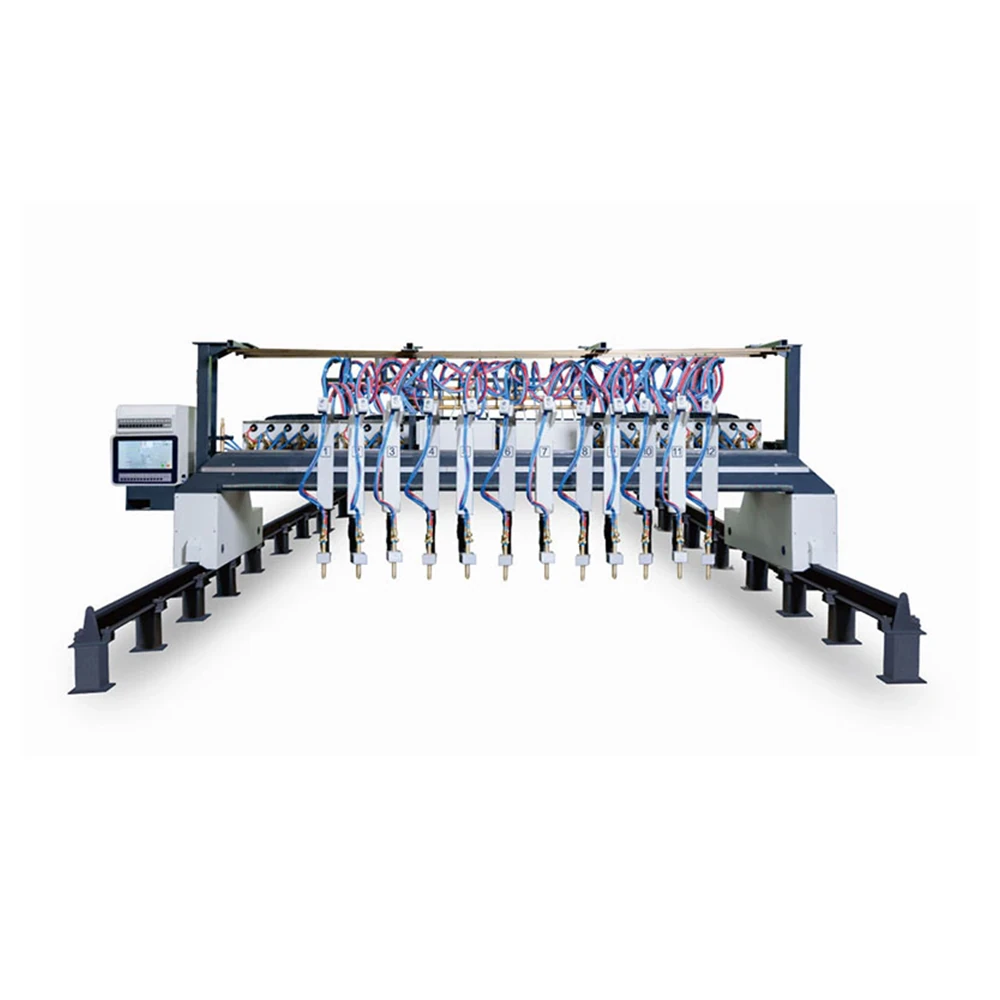
BDIF intelligent flame platform that selects the process automatically and cuts V, X, Y and K bevels to about ±1 mm.
View model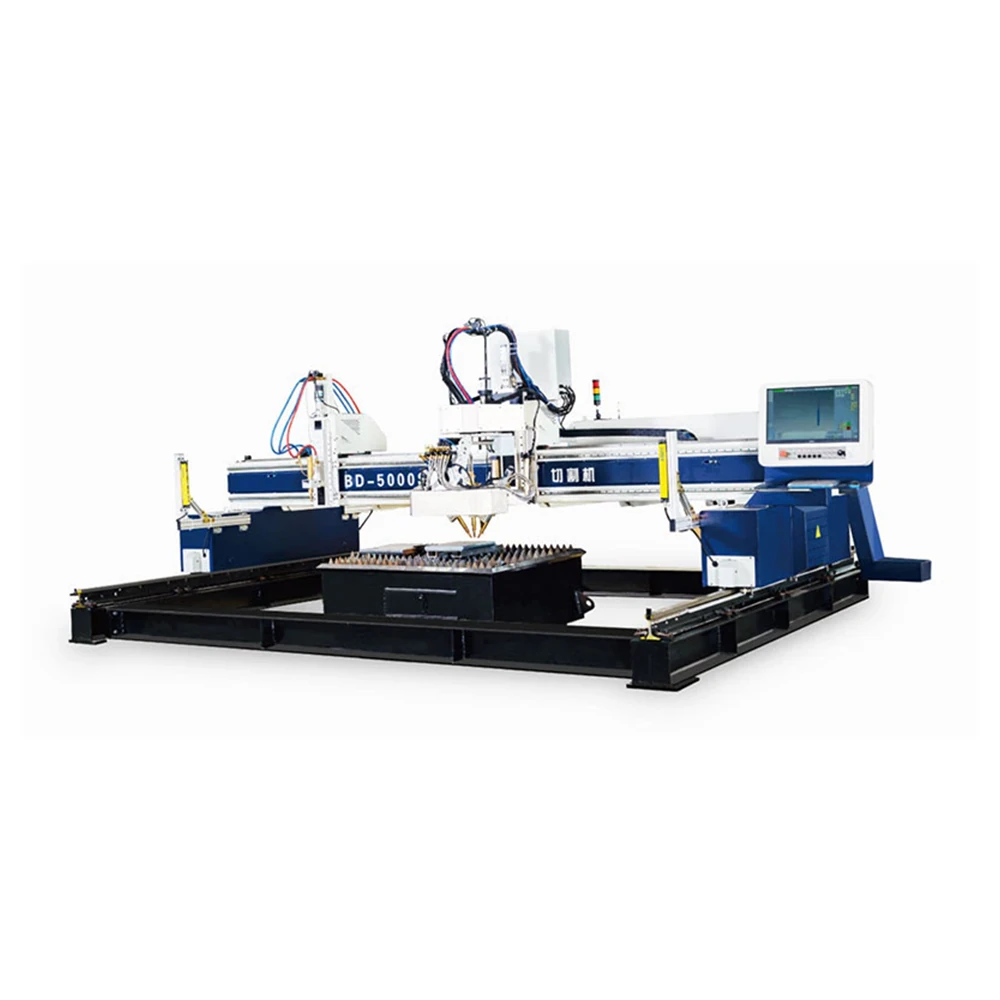
Rotary three-torch oxy-fuel platform for thick plate at volume, with automatic gas control and optional edge inspection.
View model