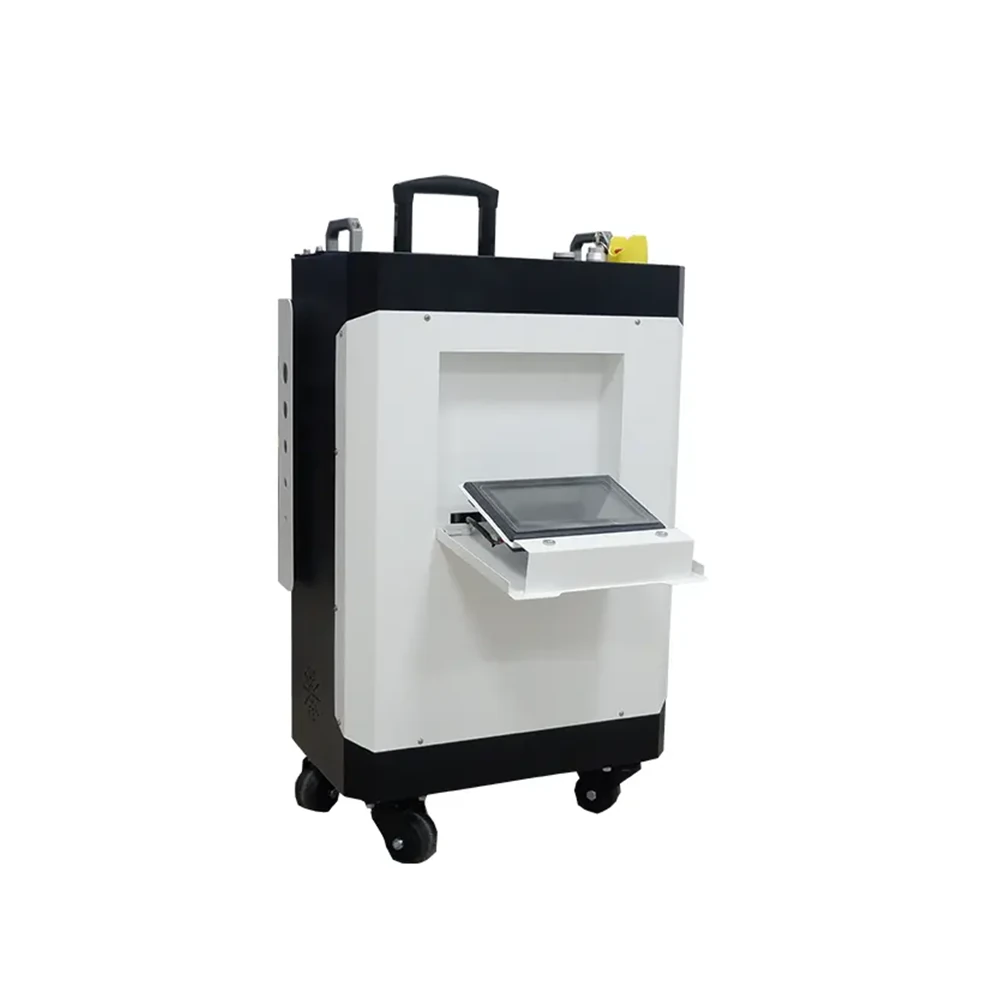
Pull-Rod Multi-Layer Film Laser Cleaner
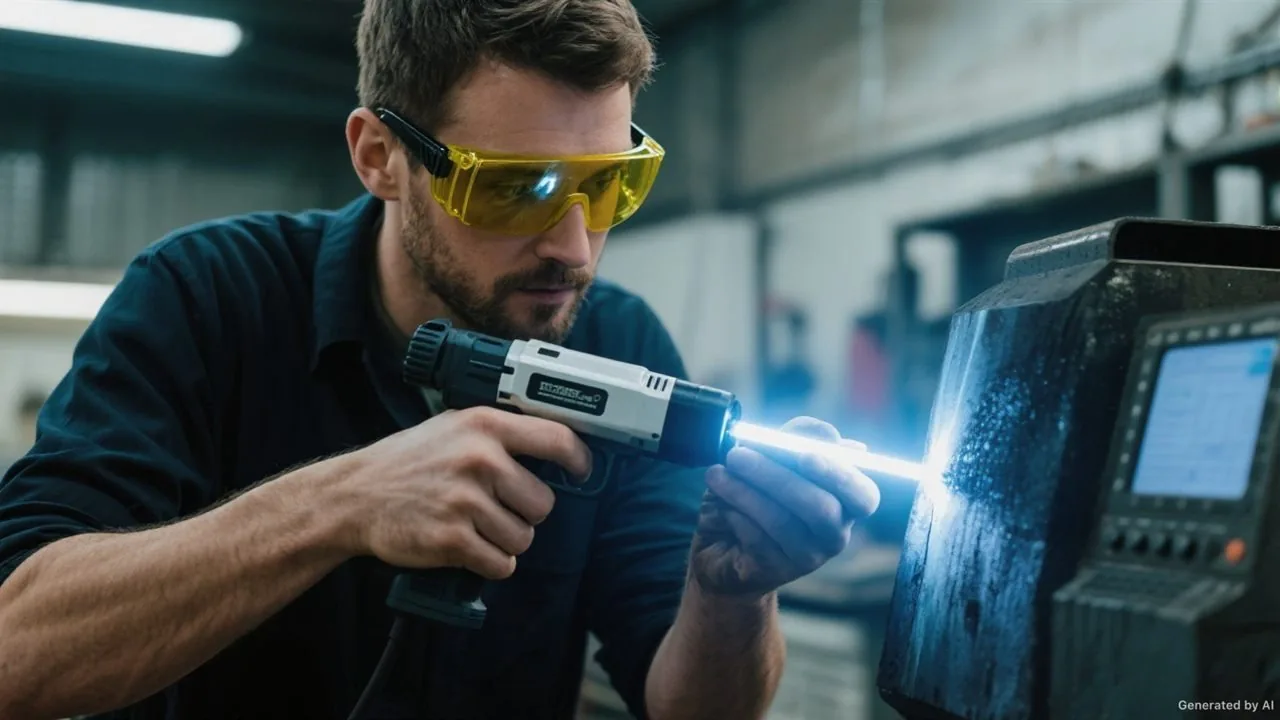
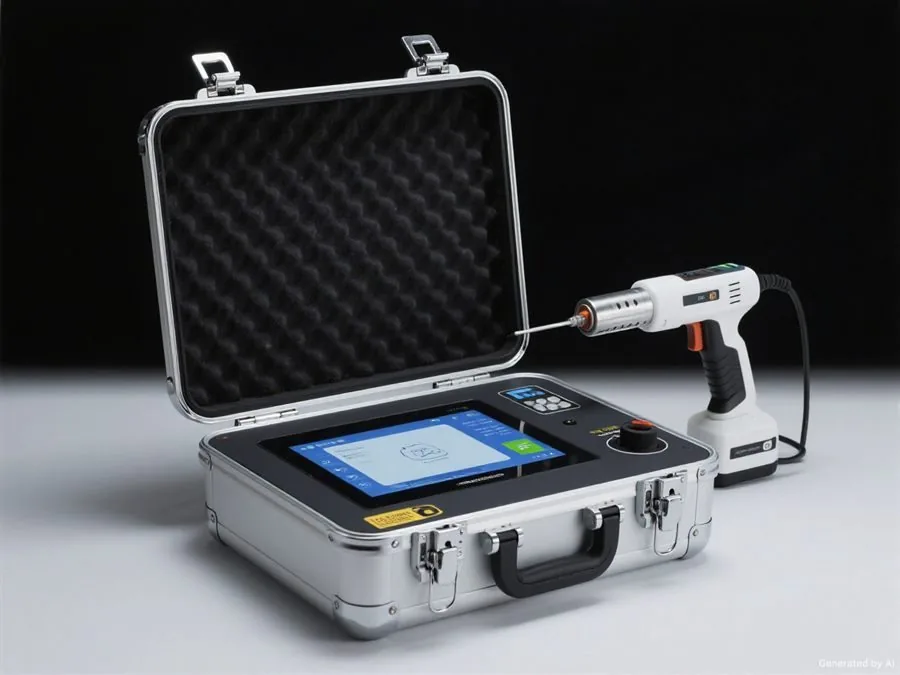
A 0.85 kg gun for pipes, dies and flanges where a wide head cannot reach.
View modelSome surfaces are too valuable to blast and too curved to clean evenly by hand. This air-cooled pulsed machine pairs a motorized dual-axis scanning head with eight selectable modes, so energy is spread uniformly across furniture, moulded panels and curved shells instead of leaving stripes and hot spots. At 100W to 500W it removes varnish, soot, rust and oxide from steel, copper and aluminium without the deformation a continuous beam would cause.
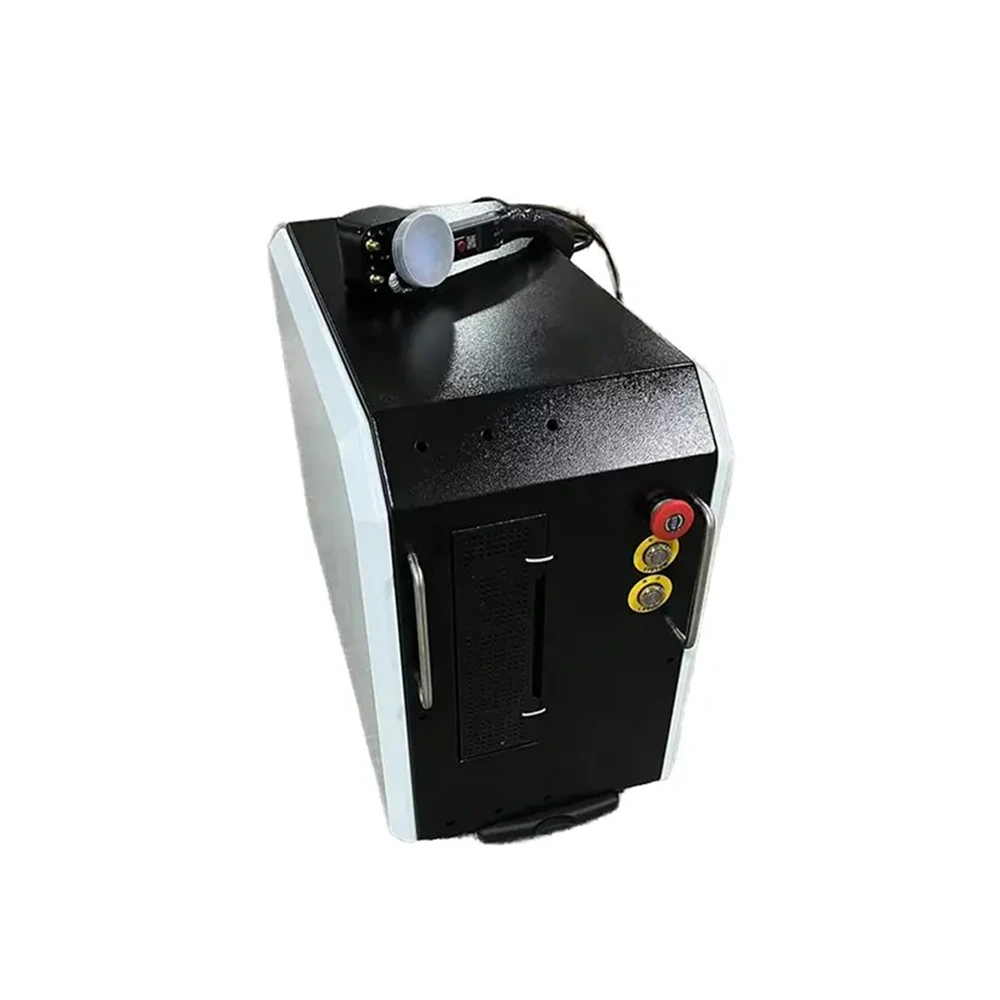
High-frequency pulses remove contamination before heat can build, which is why the process works on materials that a torch-like continuous beam would ruin. There is no water to manage and no consumable to keep in stock.
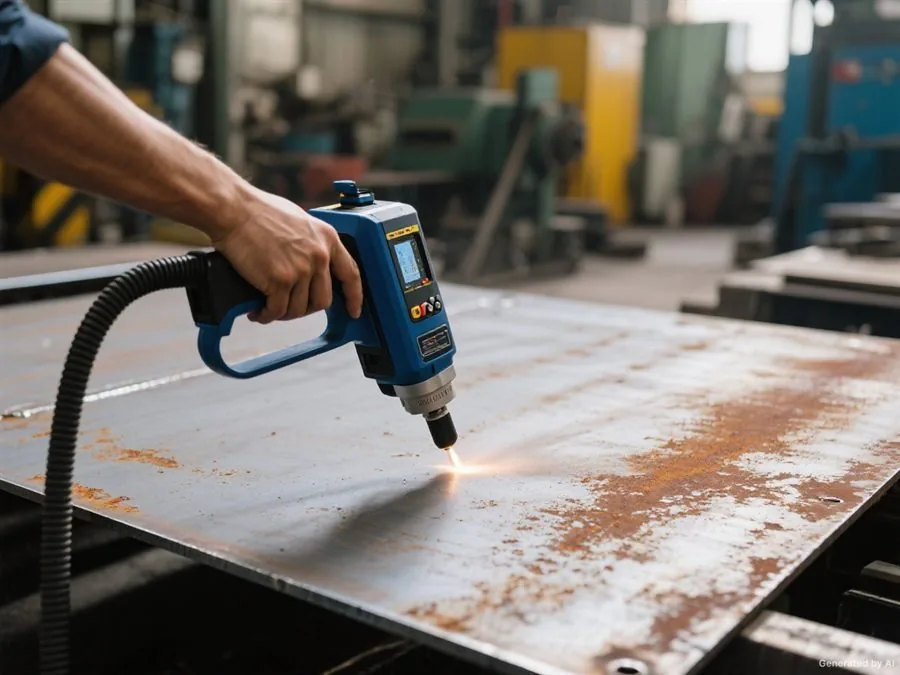
The motorized head switches scan direction between passes so consecutive tracks never line up, which is what removes the striped finish single-axis heads can leave.
A straight pass for flat panels and edges where a consistent direction of finish is wanted.
Two directions combined to blend the finish and avoid any visible directional pattern on flat work.
Concentric paths for round hardware, bosses and cylindrical furniture components.
An inward spiral that keeps coverage even on circular or domed surfaces without a start-and-stop edge.
A user-defined path that traces the geometry of a moulded or carved surface.
A controlled side-to-side sweep that spreads heat across the track and protects delicate edges.
Repeated lighter passes remove a coating progressively instead of in one aggressive stroke.
A reduced-energy mode for boundaries and fine detail, where over-cleaning would be visible.
Modes can be chained within one job, so a single program cleans a flat panel, its curved edge and its fine detail without an operator changing settings.
There is no single universal cleaner. Delicate surfaces need the pulsed approach; large, heavily corroded steel needs the continuous one.
| Characteristic | Precision Pulsed (Air-Cooled) | Heavy Duty CW (Water-Cooled) |
|---|---|---|
| Power Range | 100–500W | 1000–3000W |
| Cooling | Active air cooling | Industrial dual-temperature chiller |
| Laser Type | MOPA pulsed, substrate safe | Continuous wave, high throughput |
| Cleaning Width | 10–160 mm | 10–300 mm |
| Unit Weight | Approx. 25–45 kg, portable | Approx. 180–250 kg, fixed or trolley |
| Primary Uses | Molds, antiques, busbar welding, furniture | Heavy rust, shipbuilding, large steel plate |
| Power Input | 220 V single phase | 220 V single phase or 380 V three phase |
| Main Benefit | Cold cleaning that protects delicate parts | Speed on thick layers over large areas |
The figures that describe how the unit behaves in a furniture or tool room.
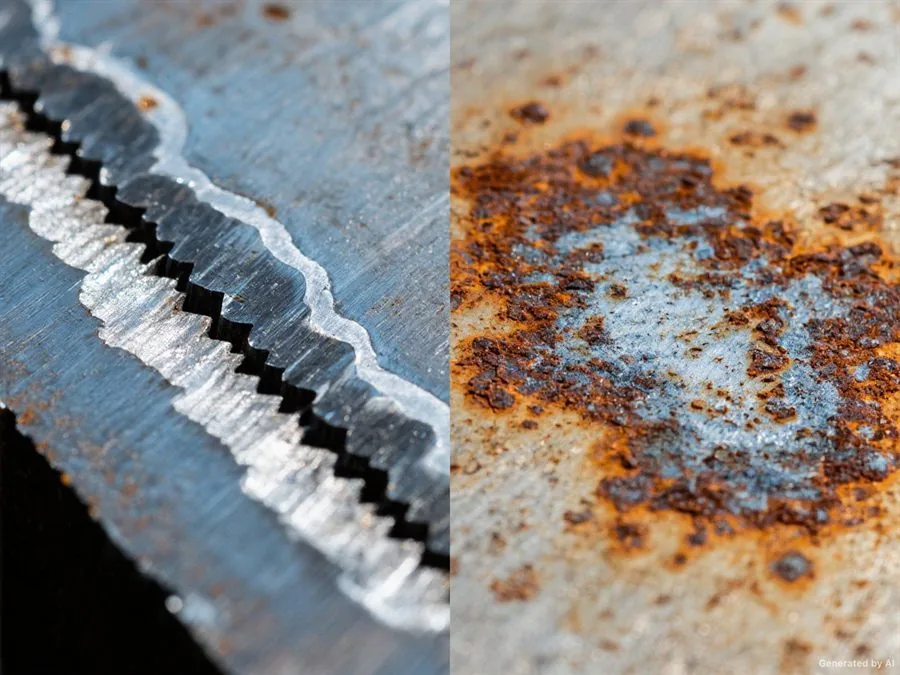
The same machine produced all three results below, simply by selecting a different power level and scan mode.
The right setting depends on the material, the contaminant and how delicate the surface is.
| Application | Recommended Power | Why |
|---|---|---|
| Furniture and heritage timber | 100–200W | Removes varnish and soot without charring the wood fibers |
| Busbar and battery welding prep | 100W | Clears copper oxide without thermal damage to sensitive cells |
| Thin aluminium panels | 500W | Strips paint without the oil-canning and panel distortion of a hot beam |
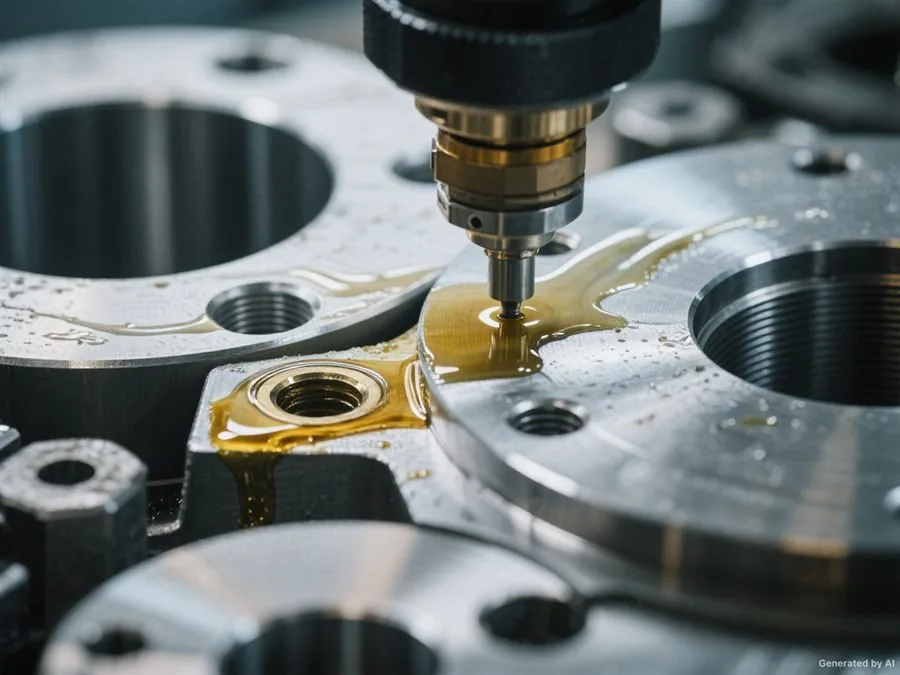
| Molds and tooling | 100–300W | Cleans cavities and vents without rounding edges or changing dimensions |
| General rust and coatings | 200–500W | Balances removal rate with control on medium parts |
| Heavy corrosion and large plate | 1000–3000W CW | Higher average power for throughput, when heat is acceptable |
Where a surface is unusually valuable, test a sample first. We test your material in the lab and supply the setting that gives the cleanest result.
The same range covered two very different jobs, and the choice of technology was driven by the substrate rather than the size of the surface.
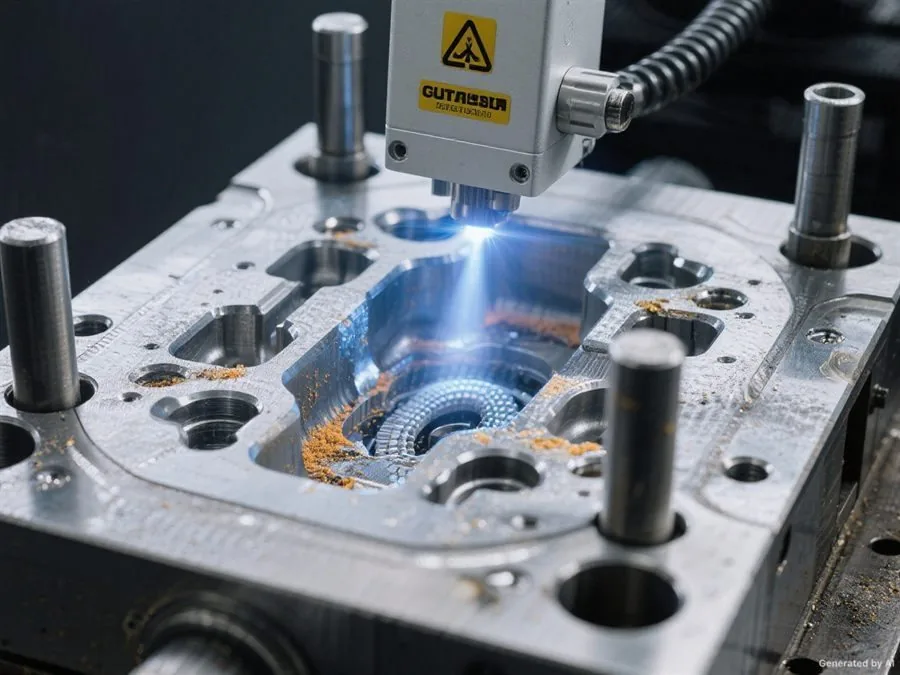
The requirement was to remove paint from thin aluminium aircraft skin. A 500W air-cooled pulsed machine was selected. The result was zero thermal expansion, no chemical waste and a surface that passed every FAA-level inspection.
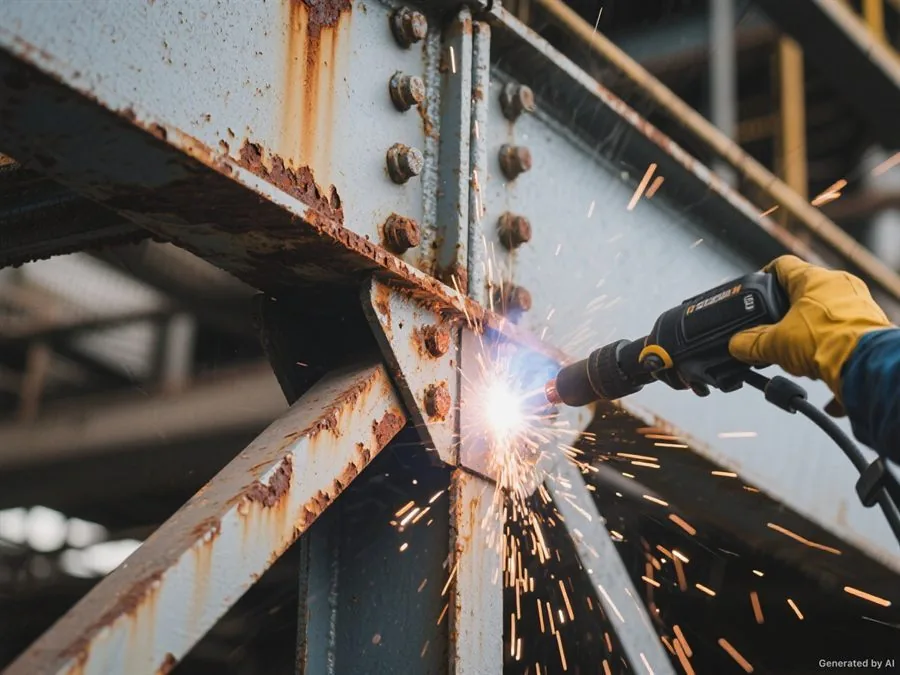
The task was removing twenty years of lead-containing paint and rust from structural beams. A 3000W water-cooled continuous system delivered a 400 percent increase in daily coverage compared with conventional blasting.
The machine is configured around your parts, and the support continues for as long as you own it.
Machines are dispatched quickly to your workshop, with export packing suited to road, air and sea freight.
We test your specific material in the lab and provide a setting guide for the cleanest possible result.
High-grade protective goggles matched to the wavelength and safety training are supplied with every machine.
Wherever you are, our engineers are available by video call to help with settings, maintenance and troubleshooting.
Pulsed technology is fundamentally more complex to control. It relies on a MOPA fiber source that can oscillate at nanosecond speed, which is what allows the beam to be tuned to strip contamination and stop before the substrate is affected. On thin aluminium, copper and timber, that control is the difference between a clean surface and a damaged one.
We do not recommend it. A 3000W continuous-wave beam is far too powerful for wood and would be likely to scorch the surface. For furniture and heritage pieces we recommend a 100W or 200W pulsed machine, which removes varnish and soot without burning the fibers.
No special licence is required, but the safety rules must be followed. Every customer receives high-grade protective goggles matched to the wavelength and safety training so the team can work confidently and correctly.
A 100W or 200W air-cooled pulsed machine is the most portable and reliable choice for on-site work, because it needs no water cooling and can be carried or rolled to the job without a support vehicle.
On stainless steel the original brushed surface is restored without the blue heat tint that grinding leaves. On copper and brass, corrosion is removed to leave a clean, weldable surface for precision joining. On industrial molds, complex geometry that blasting cannot reach is cleaned without rounding the edges.
We test your timber and finishes in the lab and supply the parameter set that produces the cleanest result, together with the recommended scan mode for the shapes you handle. Parameters are stored in the controller so the same job repeats without guesswork.
If the shapes or access differ from your work, these models from the same range may fit better.
A 0.85 kg gun for pipes, dies and flanges where a wide head cannot reach.
View model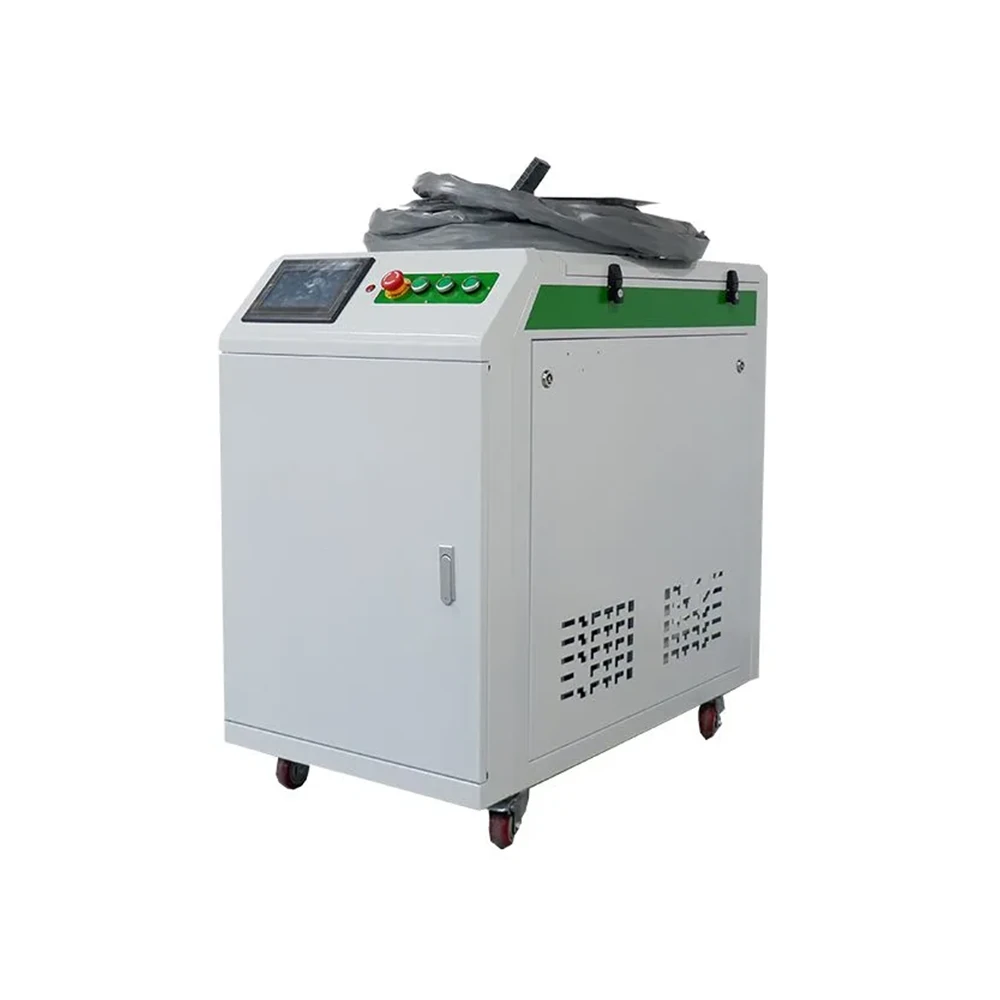
Water-cooled 500W to 1000W pulsed output for long, uninterrupted precision shifts.
View model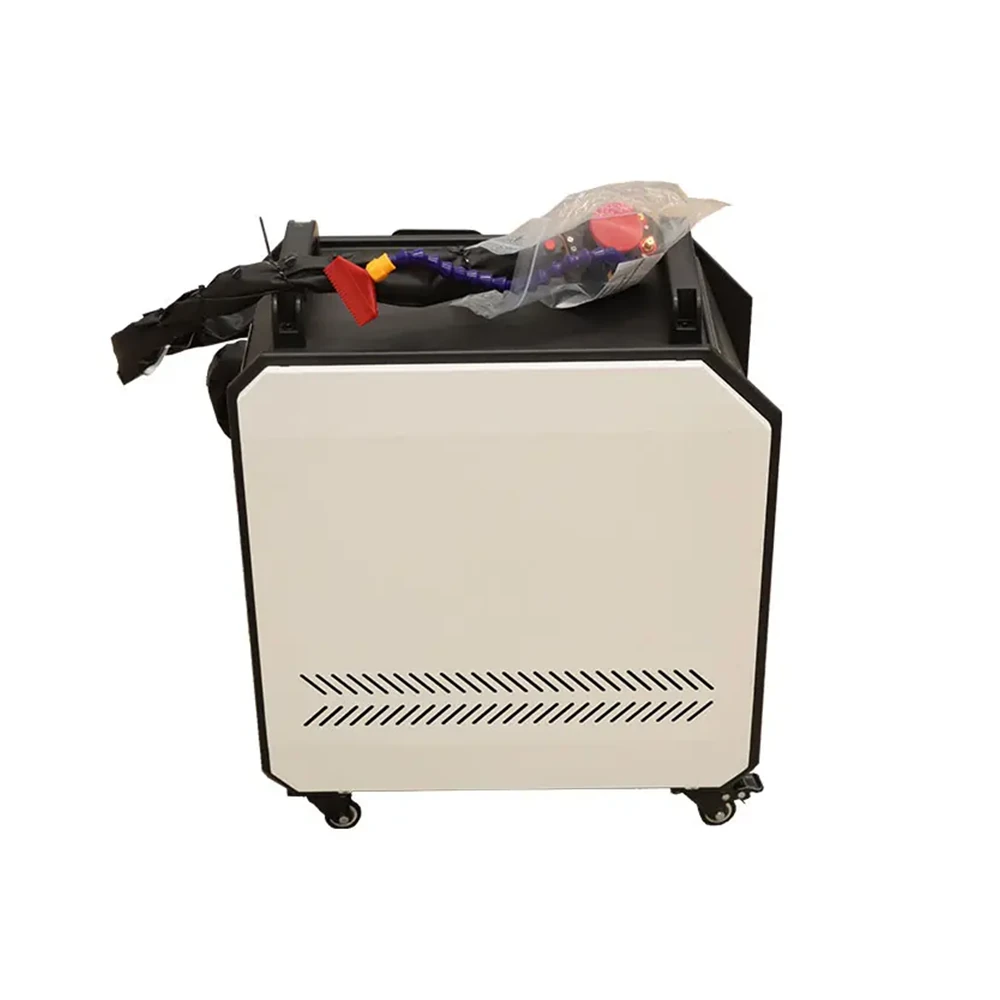
The same pulsed principle in a retractable-handle case for field service and site work.
View model