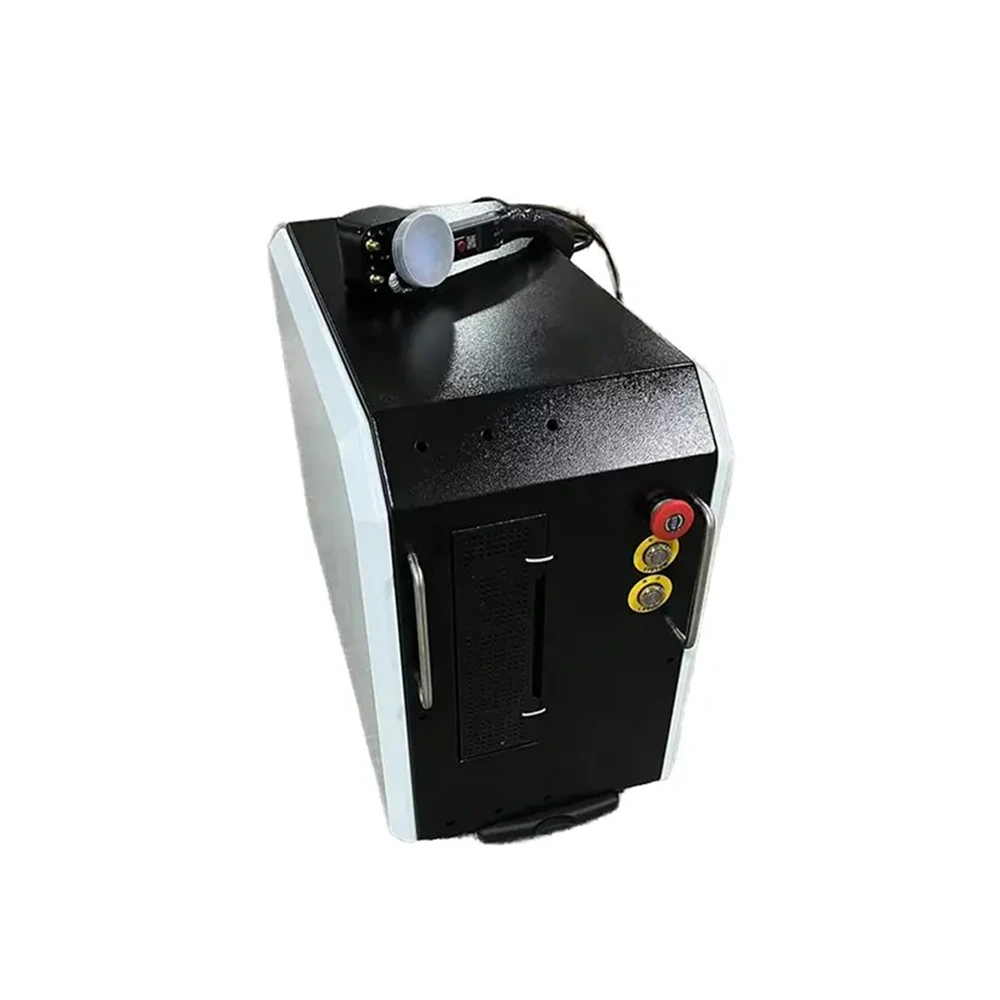
Dual-Axis Precision Laser Cleaner
Air-cooled 100W to 500W with a motorized dual-axis head for furniture and curved parts.
View modelWhere a shift runs for hours and the parts are too valuable to risk, thermal stability decides the result. This all-in-one system pairs a 500W to 1000W pulsed source with an integrated industrial chiller, holding pulse frequency steady from the first pass to the last so cleaning is consistent all day. It reaches a cleanliness of Sa3.0 while limiting substrate loss to below 0.0005 mm, which is why it is specified for high-value production in the new energy vehicle, rail transit and precision mold sectors.
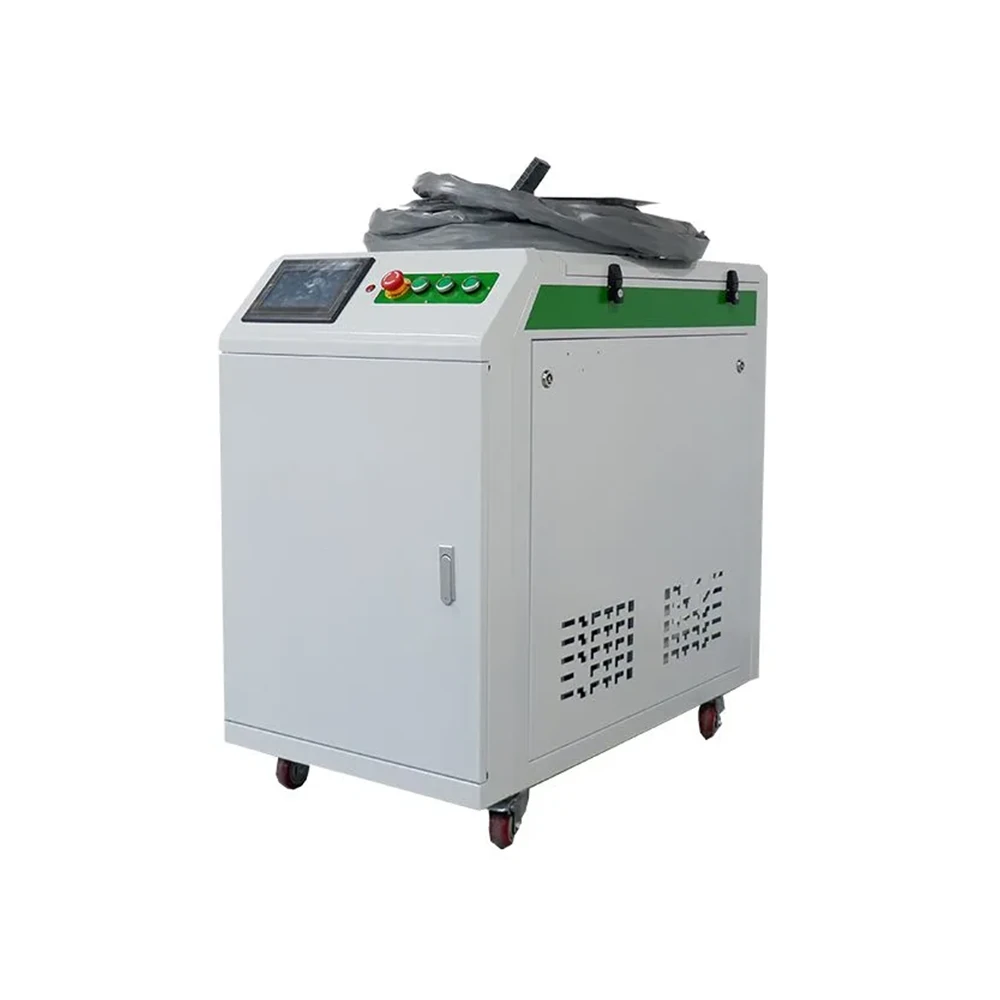
A cleaning result is only repeatable if the machine holds its parameters. As a pulsed source heats up, frequency can drift, and the setting that cleaned perfectly at nine in the morning may over-clean by three in the afternoon. The integrated chiller removes that variable.
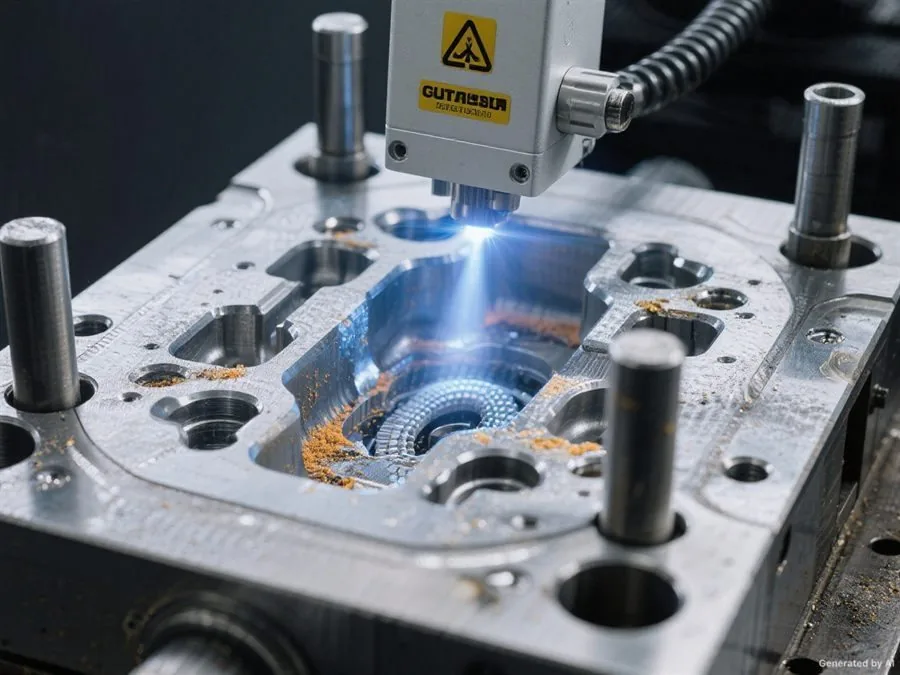
The two processes differ in how energy enters the part, and that difference decides what happens to precision components and magnets.
| Metric | SP Precision Pulsed Laser | Standard Continuous Wave (3000W) |
|---|---|---|
| Cleaning Mechanism | Photon ablation, a cold process | Thermal evaporation, a hot process |
| Heat-Affected Zone | Negligible to zero | Significant, with possible deformation or melting |
| Substrate Safety | Excellent, original machining marks preserved | Risk of micro-melting and damage to fine edges |
| N54 Magnet Safety | Safe, no risk of thermal demagnetization | High risk of magnetic damage |
| Surface Finish | Mirror-uniform metallic finish | May be uneven, sometimes needs later polishing |
| Best Use | Molds, aerospace, laser-cut stainless steel | Ship hulls, heavy rust, bridge maintenance |
Choose by the part, not by the headline power figure. Precision parts and magnet assemblies favour the pulsed process; large plain steel surfaces favour continuous wave.
Four capabilities that define what the machine does to the part rather than to the contamination.
Resin, oil, grease, stains, dirt, rust, coatings, plating and paint are all removed, including layers up to ultra-thick deposits on precision parts.
Cleaning reaches a surface cleanliness of Sa3.0, a standard suitable for subsequent coating, bonding or welding without further preparation.
The beam removes contamination rather than base metal, keeping the physical and chemical properties of the material intact.
Manual focus adjustment lets the operator follow contoured and curved surfaces and still achieve a high cleaning standard.
The figures that describe how the machine holds its parameters over a long production run.

For precision parts the deciding factor is not cleaning speed, it is whether the part survives the process unchanged.
| Characteristic | SP Precision Pulsed Laser | Conventional Blasting | Chemical Pickling |
|---|---|---|---|
| Substrate Impact | None, no wear | High, abrasive wear | High, corrosion risk |
| Precision Control | Within 0.01 mm | Low | Low |
| Consumables | None beyond electricity | Grit and sand supply | Chemicals and neutralizers |
| N54 Magnet Safety | Safe, no demagnetization | Risk of physical damage | Corrosion risk |
| Environmental Impact | 100 percent, zero waste | Dust pollution | Toxic waste stream |
| Repeatability | Stored parameters per part | Operator dependent | Bath condition dependent |
On a precision part, an unstable frequency is more damaging than a low power setting, because the process window is narrow.
The integrated chiller keeps the pulsed source inside its thermal window throughout the shift.
With the source stable, the pulse frequency set at the start of the run stays the same across the whole batch.
Because energy per pulse is constant, the depth of cleaning per pass does not creep as the machine warms up.
The parameter that cleaned the first part cleans the thousandth, which is what makes the process suitable for production.
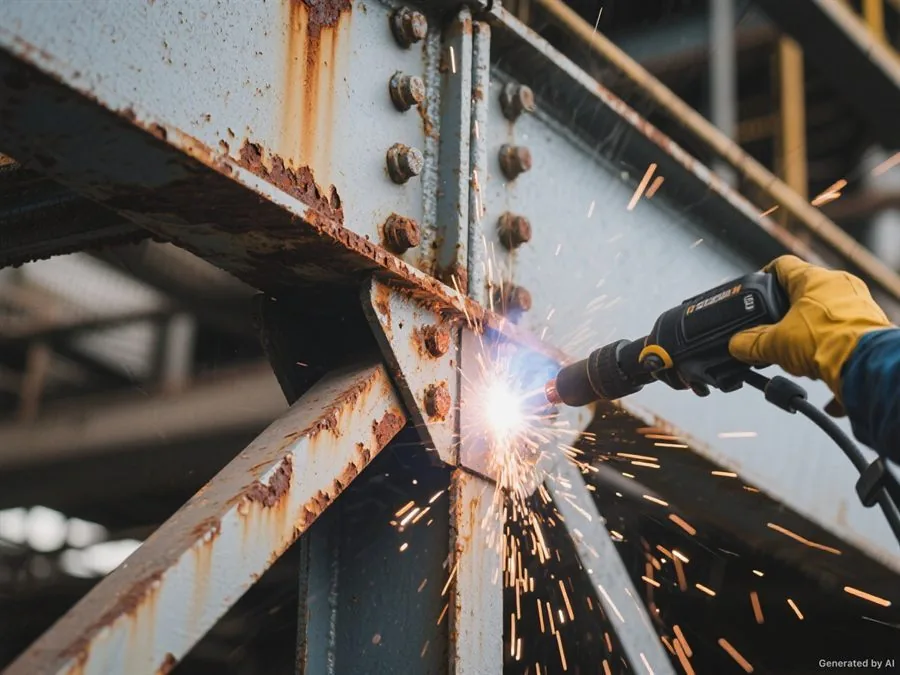
These sectors choose the water-cooled precision model because the parts are high-value and the failure modes are serious.
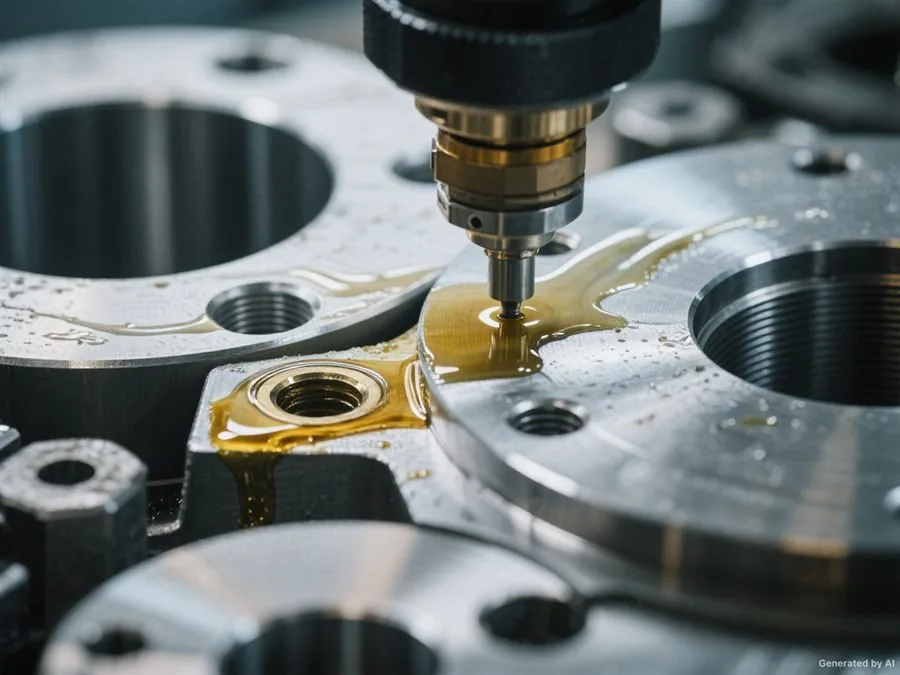
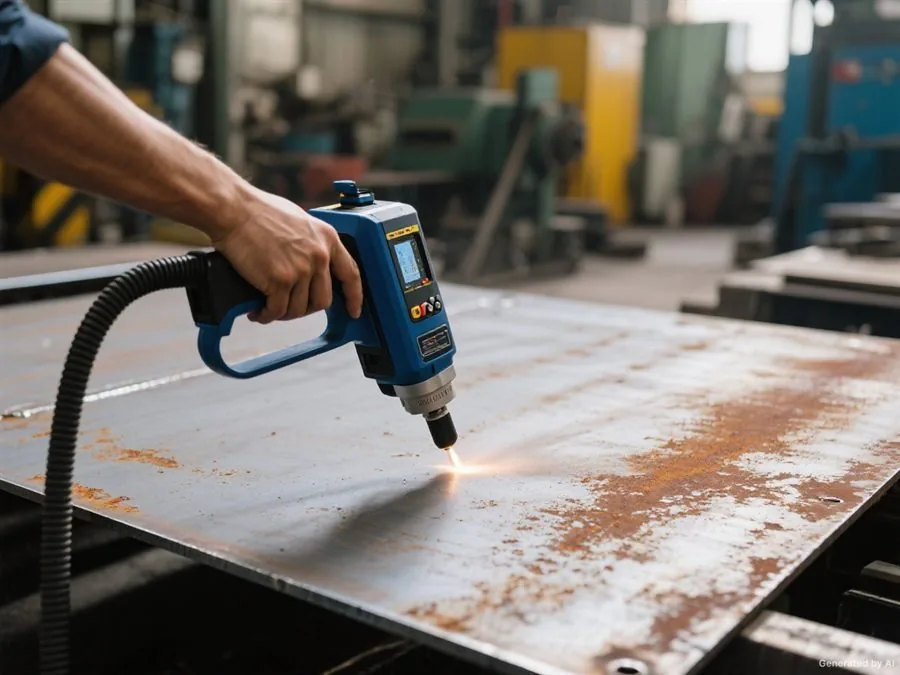
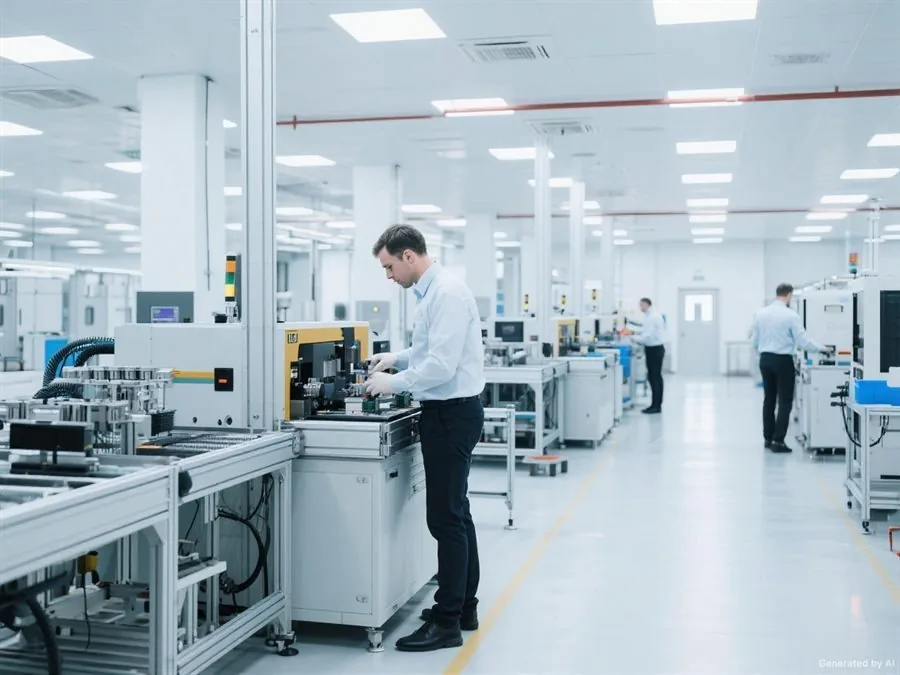
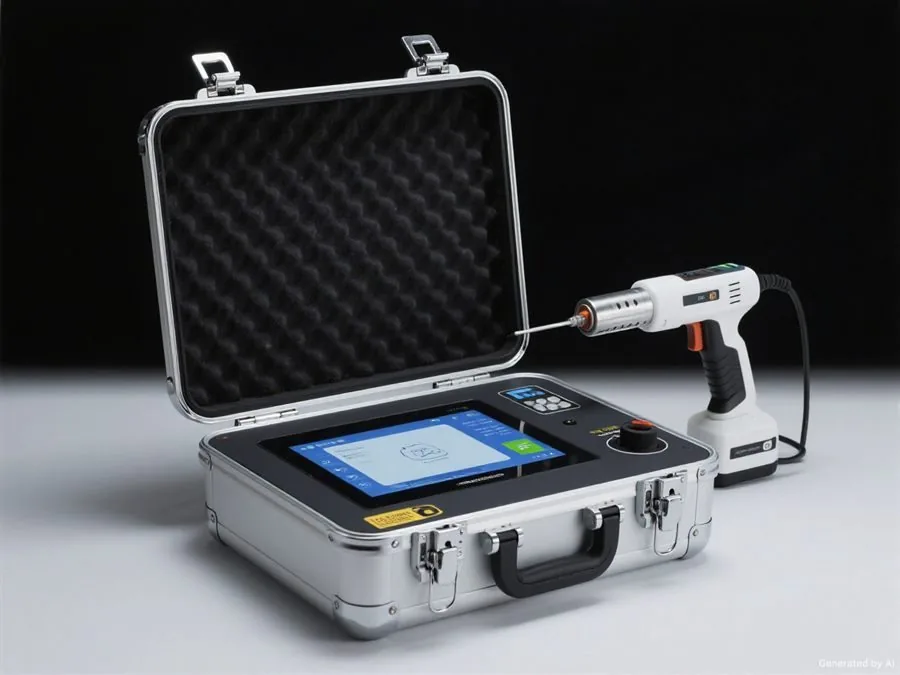
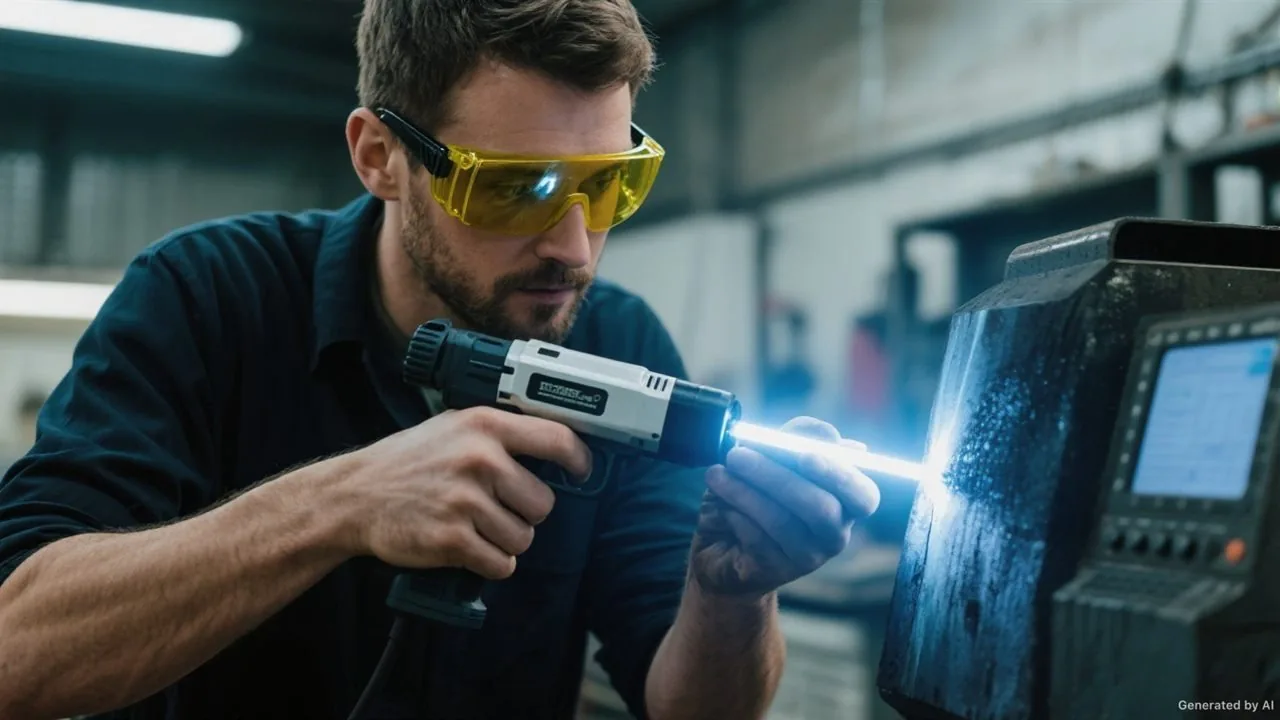
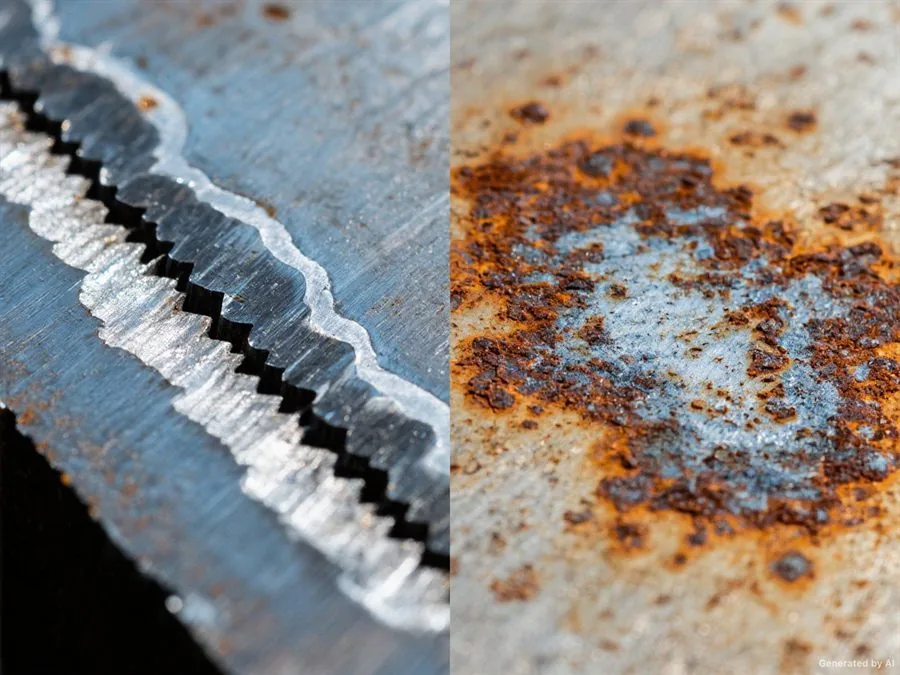
Inner wall cleaning of high-end silent and self-repairing tires, where the surface has to be clean and chemically unchanged for the next process.
Maintenance of aluminium and titanium alloy components on new rail vehicles, and paint layer removal from high-speed train carriage bodies.
Rubber, tire and injection molds cleaned without edge rounding, plus laser-cut stainless steel prepared before joining.
The machine is commissioned with the customer and supported for its working life.
Export-grade crating for the cabinet and chiller, with air and sea freight options and full tracking.
T/T bank transfer, PayPal and Western Union. Terms and Incoterms are confirmed on the proforma invoice.
Manufacturer warranty on core components, with ready replacement parts and lifetime engineering support.
We test your material and provide the frequency, power and focus settings that give the required cleanliness.
The difference is control. A high-power continuous-wave laser is like a heavy hammer for removing heavy rust, while a pulsed laser is a scalpel. A MOPA fiber source is far more complex to build, but it protects a high-value mold from damage, so the value of the parts it saves is what makes it the right tool for precision work.
Yes. Heat exposure is the main enemy of a high-performance magnet. Because this pulsed system confines heat to the nanometre-scale contamination layer, the N54 magnets underneath stay cool and keep their full magnetic strength, so fixture integrity is preserved.
Contamination is the main cause of porosity in a weld. Cleaning laser-cut stainless steel with a pulsed beam before welding produces a chemically pure surface, and when it is paired with a handheld fiber laser welding machine the result is deeper penetration and welds that meet X-ray inspection standards.
It does. Thermal stability of the laser source is critical for high-frequency beam processing. The integrated water chiller prevents frequency drift, which is what keeps the first second of cleaning as precise as the eighth hour of the shift.
The process reaches a cleanliness of Sa3.0, and substrate damage is held below 0.0005 mm, so the physical and chemical properties of the base material are largely preserved. The result is a mirror-uniform metallic finish rather than the uneven surface that abrasive methods can leave.
Cleaning the inner wall of high-end silent and self-repairing tires in the new energy vehicle sector, maintenance of aluminium and titanium alloy components on new rail transit vehicles, paint layer removal from high-speed train carriages, and precision cleaning of molds, tooling and laser-cut stainless steel.
If the duty cycle or the access differs from your work, these models from the same range may fit better.
Air-cooled 100W to 500W with a motorized dual-axis head for furniture and curved parts.
View model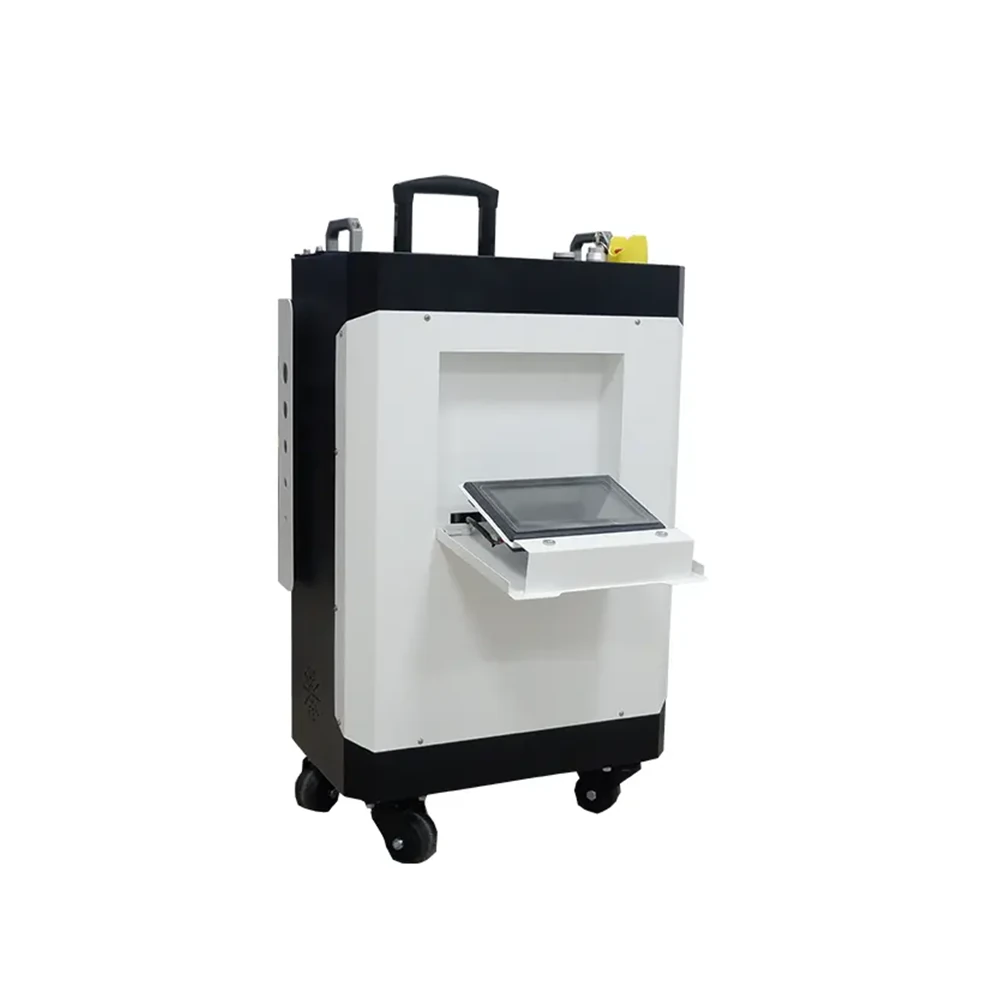
A 0.85 kg gun with five scan patterns for internal and hard-to-reach surfaces.
View model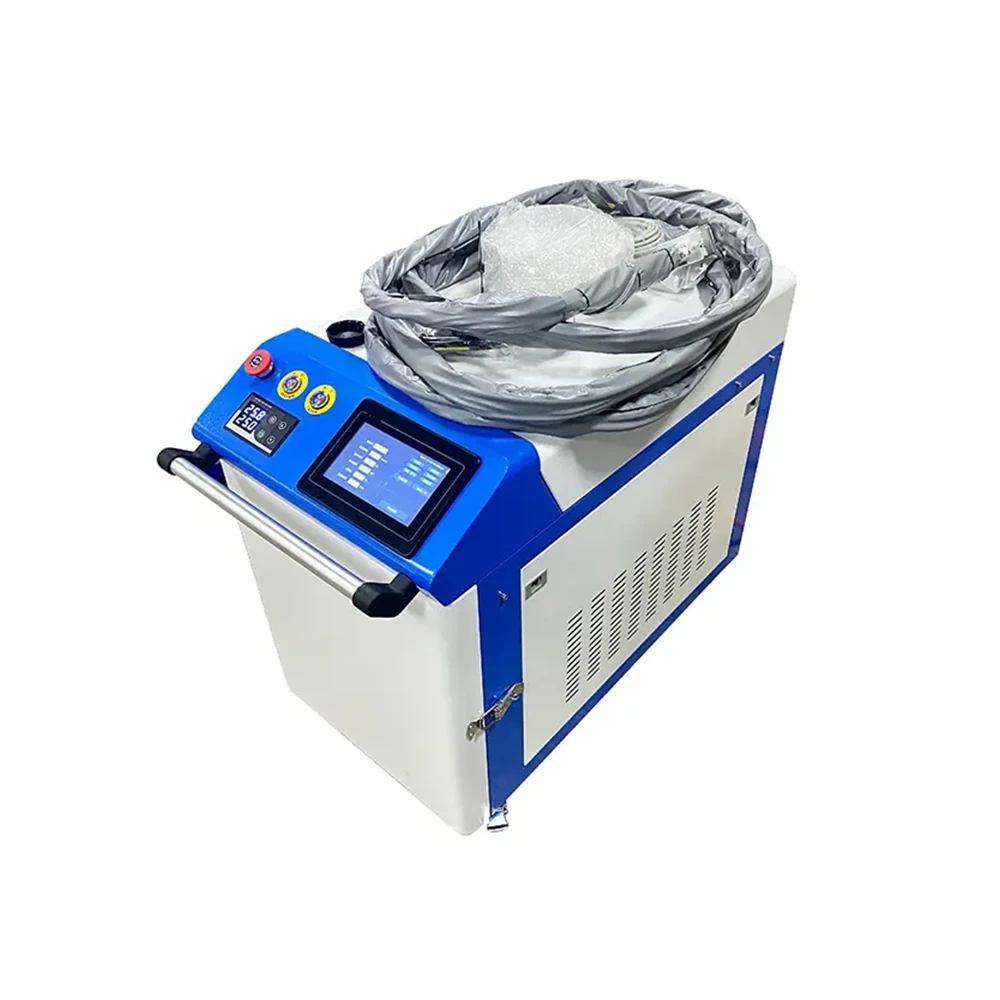
When the job is heavy corrosion on large steel, continuous-wave power wins on throughput.
View model