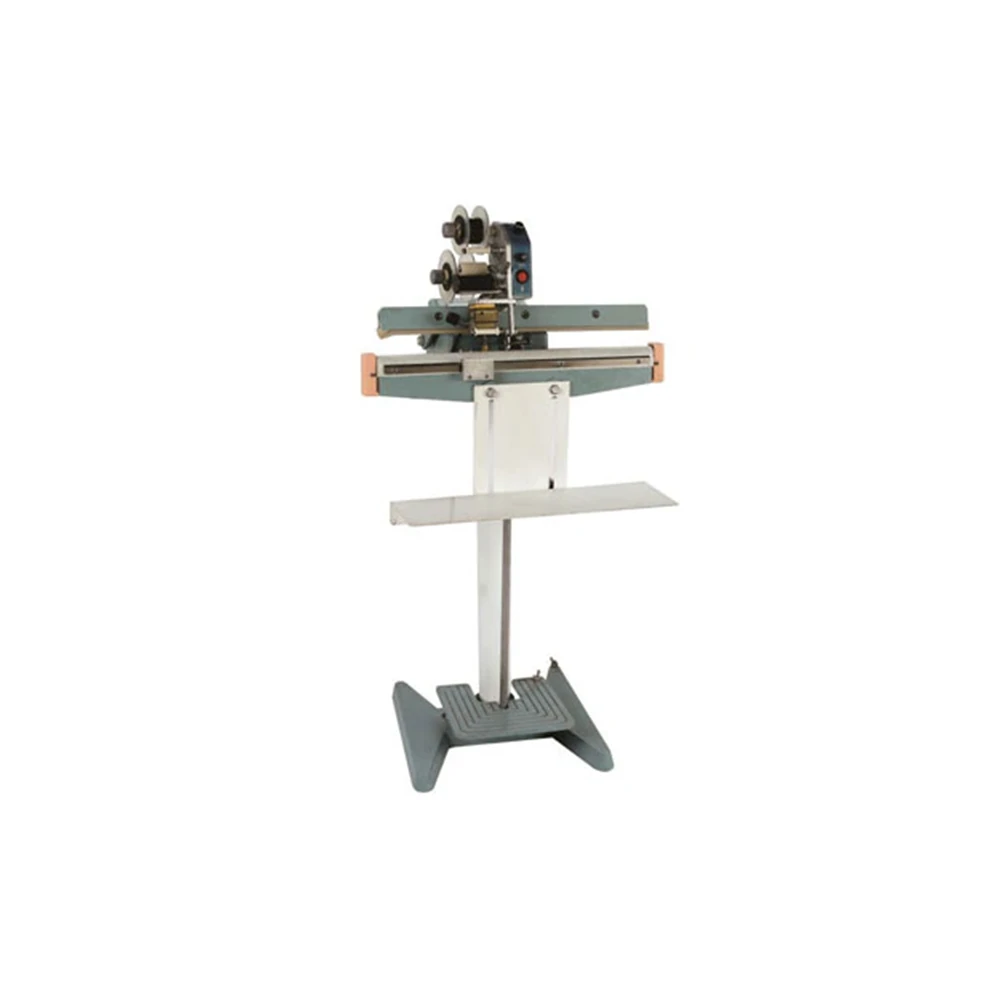
PFS-350DM Coding Sealer
The same pedal idea with a coding die, sealing and printing in one stroke.
View modelA simple machine done well. The FRS-400JT uses electrical pulse heating to finish a seal in 0.2 to 2 seconds instead of the 2 to 4 seconds older machines needed, with heat time adjustable to the film. It weighs about 10 kg, runs from a single-phase supply, and seals the plastic film bags used across food, retail, electrical and service trades.
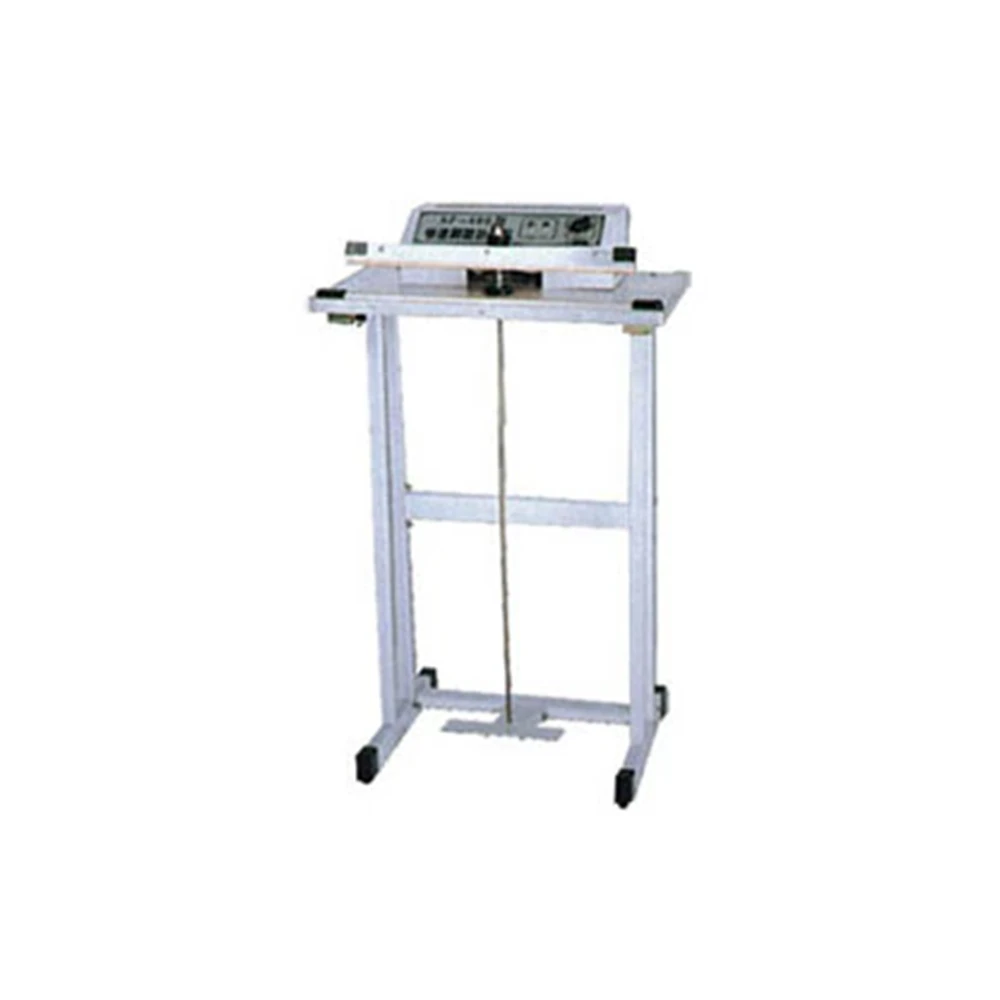
Not every packing room needs a conveyor machine. For short runs, mixed bag sizes and awkward shapes, a foot-operated impulse sealer is faster because the operator never waits for a belt and never has to steer a bag. The FRS-400JT is aimed squarely at that job.
There is almost nothing to configure, which is what makes this class of machine so quick to put to work.
Lay the bag mouth across the sealing bar with both hands and align it to the guides.
Press the foot pedal to close the jaw and start the heating pulse.
The element melts the film for the set time, between 0.2 and 2 seconds depending on the film.
Release the pedal, let the seal set, and move the finished bag aside for the next one.
The difference between a conventional heated bar and impulse technology is not the temperature reached, but how long the film is exposed to it.
| Aspect | Conventional Heated Bar | FRS-400JT Pulse |
|---|---|---|
| Heating time | 2–4 seconds | 0.2–2 seconds |
| Warm-up | Waits for the bar to reach temperature | Element heats on demand |
| Thin film | Risk of scorching and shrinkage | Short pulse protects thin gauges |
| Thick film | Needs a long press, slowing the operator | Pulse time increased on the dial |
| Idle energy | Heat lost between every stroke | Current flows only during the stroke |
Pulse time is a starting setting, not a fixed value. Increase it for heavier film and reduce it for thin pouches, checking the seal by hand as you tune.
Figures are taken directly from the model datasheet and listed as supplied.
| Parameter | FRS-400JT |
|---|---|
| Brand | SP |
| Model Family | FRS-400JT / 500JT / 600JT / 700JT |
| Type | Foot-operated impulse sealing machine |
| Power | 0.5 kW |
| Capacity | 10 cycles/min |
| Heating Time | 0.2–2 seconds, adjustable |
| Packing Material | Plastic film |
| Automation | Foot pedal operation |
| Dimensions | 720 × 380 × 215 mm |
| Weight | 10 kg |
| After-Sales | Warranty covered |
The datasheet lists the family as SF300-800 with the figures above for the base model. Bar length, voltage and plug type are confirmed against your bag before production.
The FRS-400JT is not complicated, and that is the point: less to set, less to maintain, less to go wrong.
A 0.2 second pulse means the operator can move to the next bag almost immediately, which lifts real output.
Adjustable heat time covers the range of plastic films without a parts change.
The foot pedal leaves both hands free to hold and position the bag, which speeds up soft and awkward packs.
At 720 × 380 mm and 10 kg, it fits a small bench and can be stored away when not in use.
Because the element only heats during the stroke, the jaws are not permanently hot and the burn risk is reduced.
Element, cloth and springs are the only wear items, and all are quick to replace.
The FRS-400JT is found wherever bags are packed in modest batches and the operator needs to keep moving.
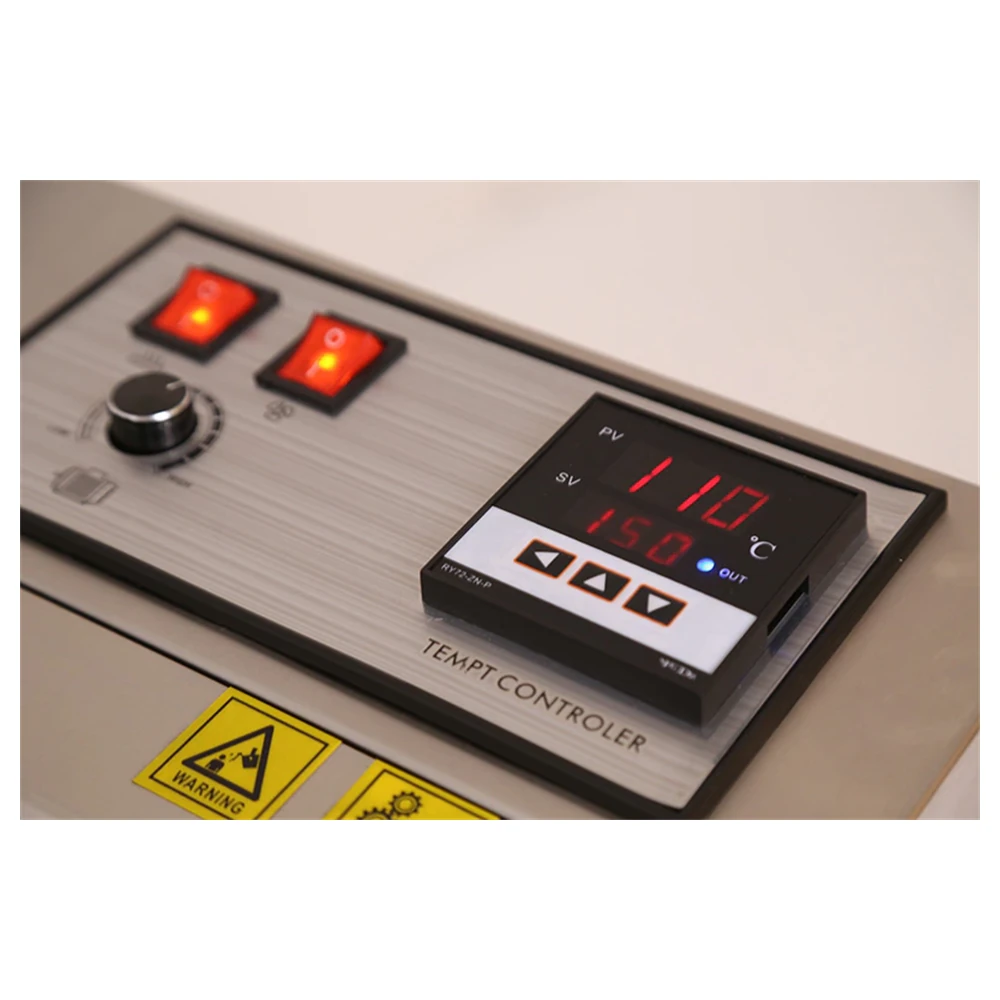
Retail and specialty food packs, dried goods and local produce sealed in batches.
Gifts, crafts, toys, hardware and general merchandise bagged for display and shipping.
Small components, samples and personal care items in plastic film bags.
Double-layer packing, shipped by express, air or sea and trackable from the factory door.
T/T bank transfer and other agreed methods, with terms confirmed on the proforma invoice.
A 2-year warranty covers parts and labour, with elements, cloth and springs supplied quickly.
Guidance on pulse time and bar size so the first seal is right on your own film.
Instead of keeping a hot bar pressed against the film for two to four seconds as older machines did, the pulse element reaches sealing temperature almost instantly and completes the cycle in 0.2 to 2 seconds. The operator gets a faster rhythm, the film spends less time under heat and the seal is more consistent.
Yes. Heating time is set on the machine, so the same sealer can close a thin pouch with a short pulse and a heavier film with a longer one. That adjustability is what lets a single pedal sealer cover a wide range of gauges without changing the element.
It seals the plastic film bags used across food, local produce, electrical components, retail and service trades. It is a general-purpose impulse sealer rather than a specialist machine, which is exactly why it is found in so many small packing rooms and workshops.
The datasheet rating is 10 cycles per minute, which is set by the pulse time plus the operator moving the bag. In practice the pace depends on bag size and how the work is laid out, but the short pulse keeps the machine ready for the next bag almost immediately.
The machine weighs about 10 kg and measures 720 x 380 x 215 mm, so one person can lift it onto a bench or move it between packing stations. It needs only a single-phase supply and a working surface, which is why it is a common first sealing machine.
It is assembled and tested before dispatch and ships in double-layer packing. Standard production is about 5 working days with express transit of roughly 4 to 6 working days. Heating elements, high-temperature cloth and springs are supplied as consumables, and a 2-year warranty applies.
Add coding, move to a floor frame, or switch to a belt machine for longer runs.
The same pedal idea with a coding die, sealing and printing in one stroke.
View model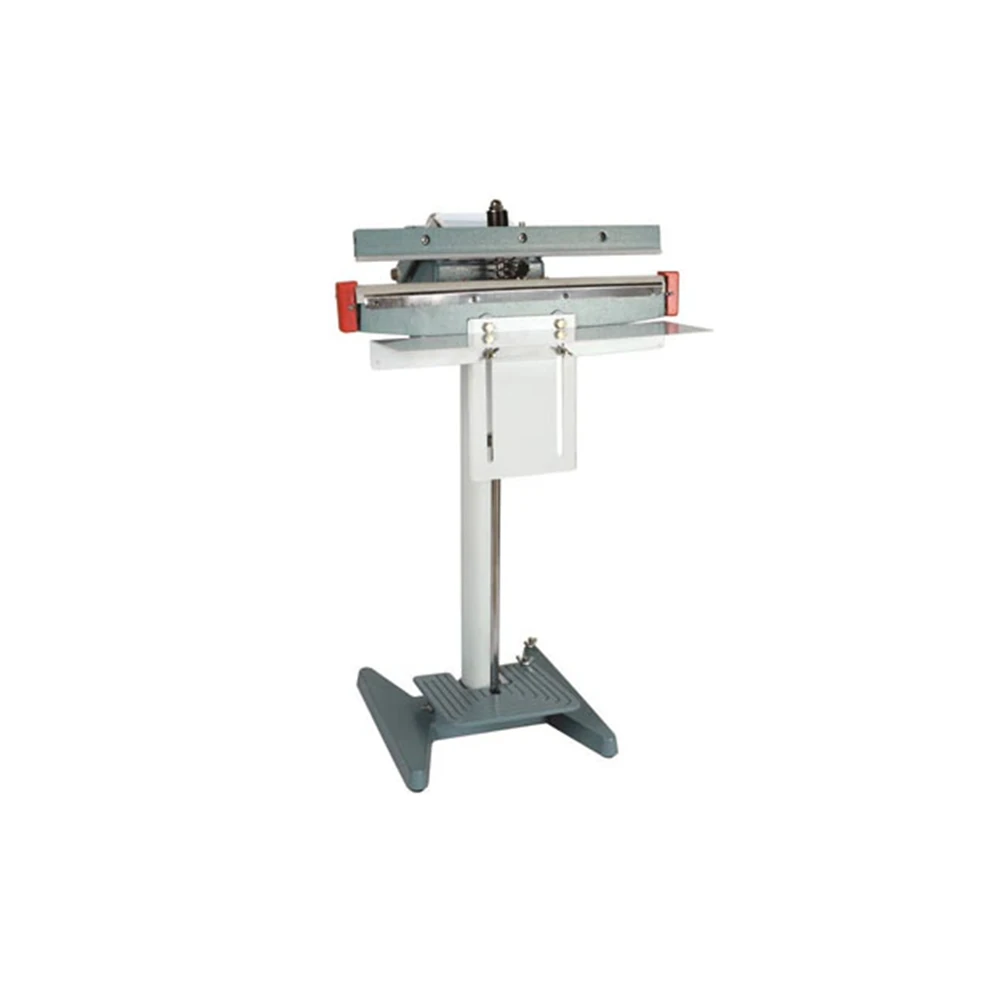
A floor-standing pedal sealer with 350–800 mm bars for larger bags and heavier use.
View model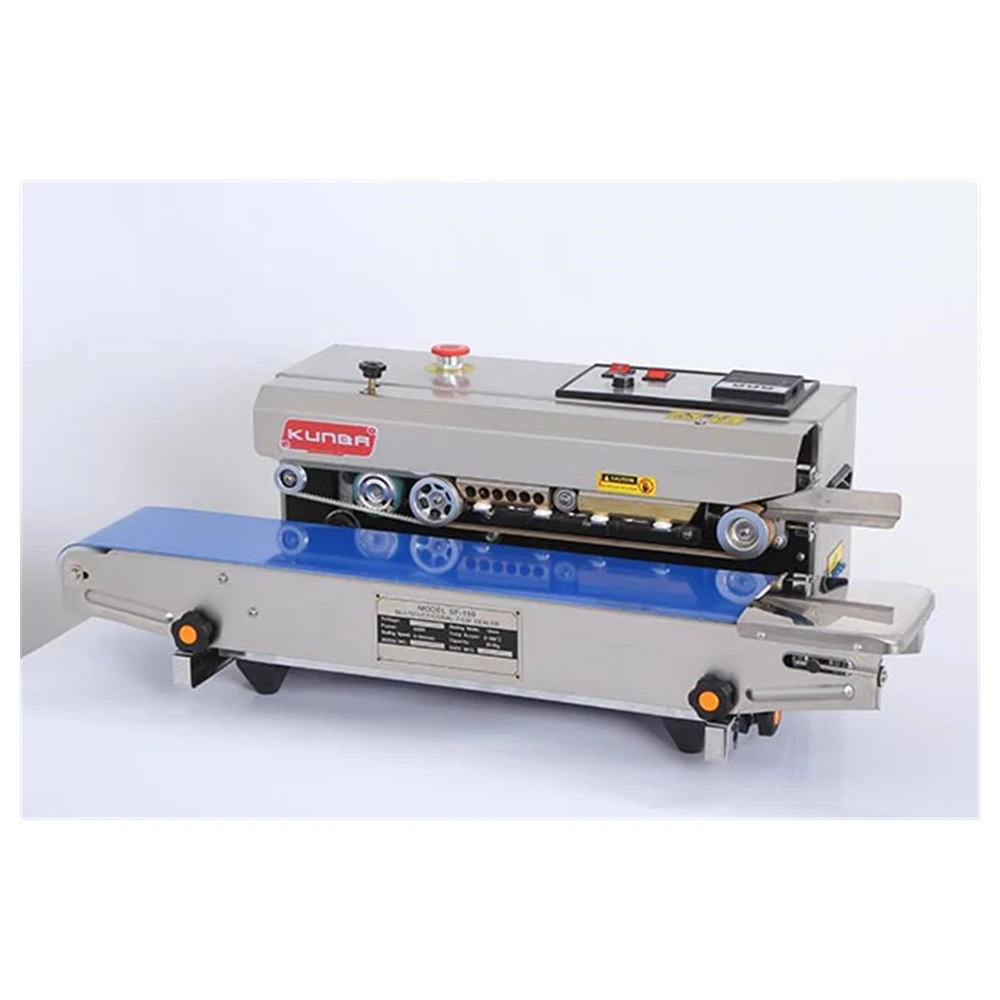
A belt sealer for steadier output when bag shapes are consistent and runs are longer.
View model