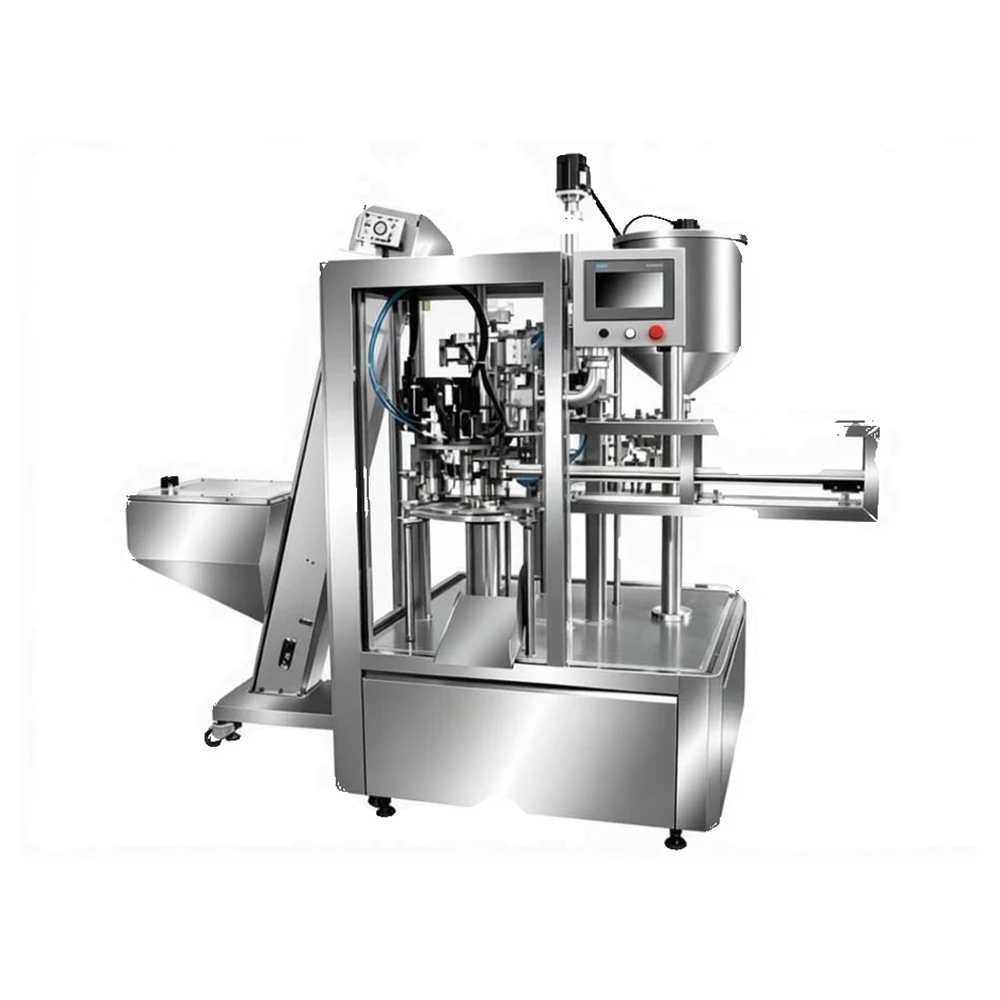
ZLD-2 Stand-Up Pouch Filling & Capping Machine
The compact two-head entry point for pilot batches, with a 30 to 100 ml fill range and a single-phase supply.
View modelSix heads is the point at which pouch filling becomes a continuous operation rather than a batch. The ZLD-6 runs 5,400 to 9,000 spouted stand-up pouches an hour between 60 and 390 ml, keeps the dose inside about plus or minus 0.5 percent, and uses the same carousel, controls and pouch tooling as the rest of the ZLD platform.
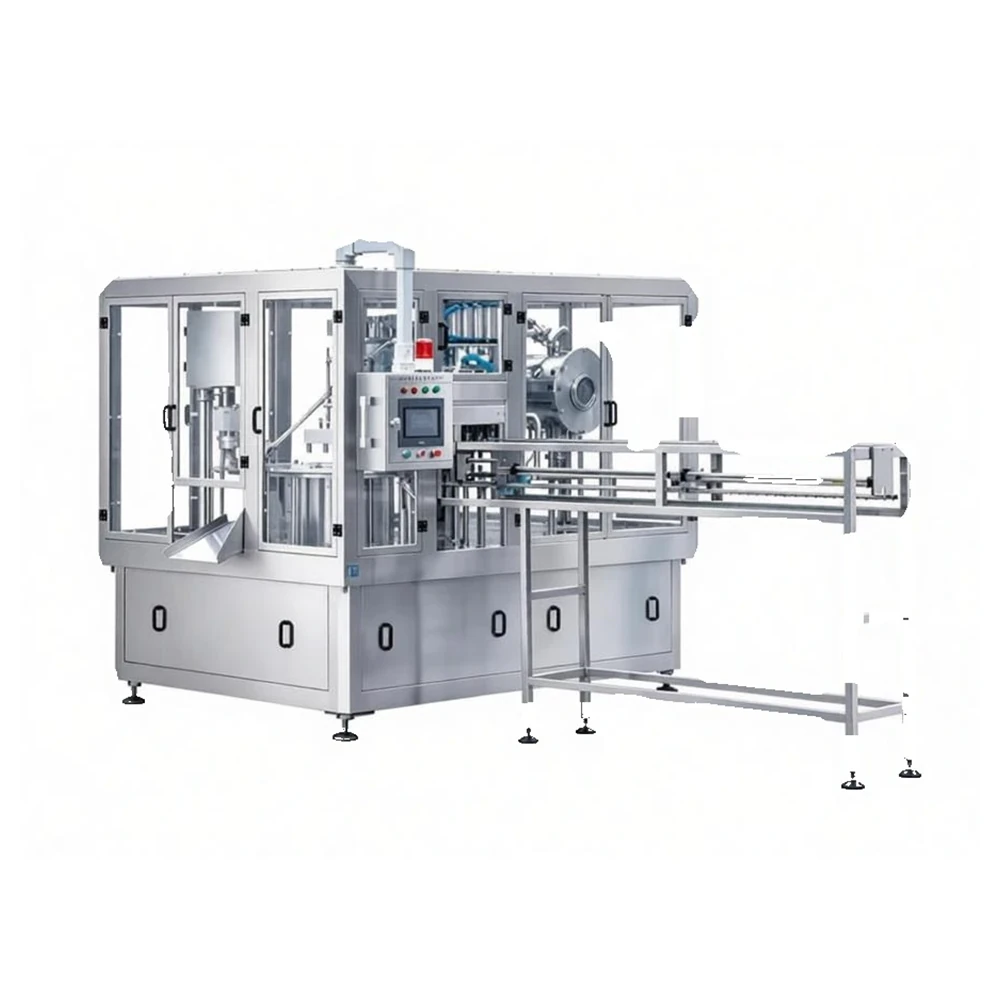
Four figures that decide whether the ZLD-6 matches your production plan.
The carousel never stops for a fill. Each head works on a different pouch as the table turns, so the published rate is sustained rather than intermittent.
Pouch clamps, moulds and recipes transfer between the ZLD models, so spare tooling and operator knowledge carry over across the range.
The variable frequency drive lets the machine be throttled back to match a slower upstream process without losing fill accuracy.
From thin liquids to thick sauces and fine-particle fluids, with the seal temperature set per product on the HMI.
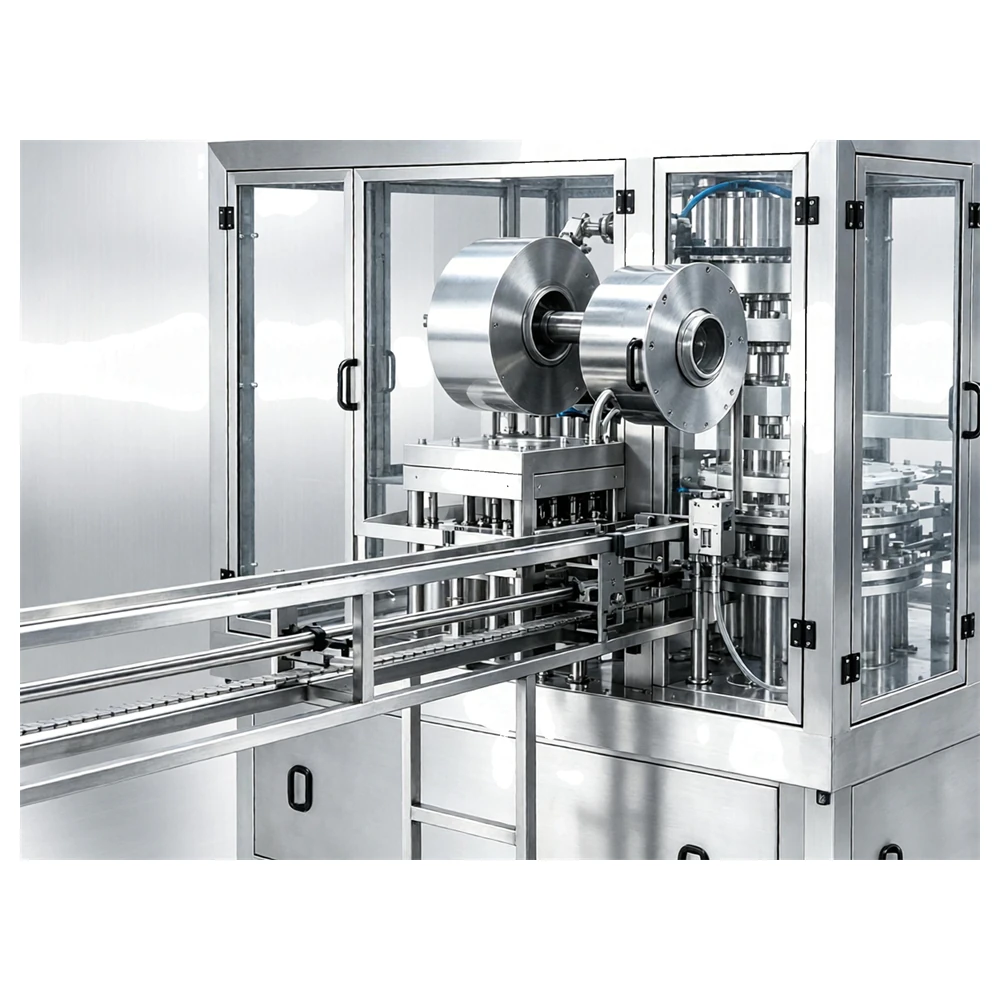
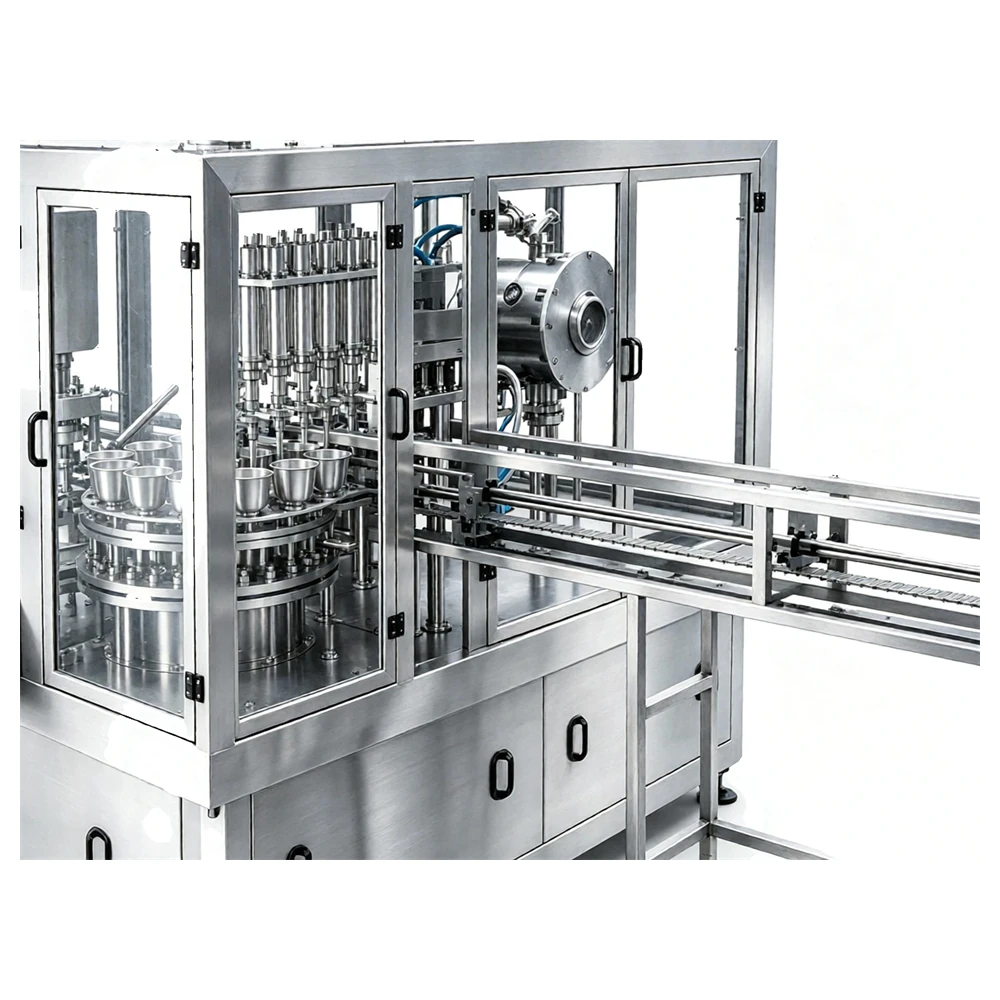
Every pouch follows the same circular path: it is clamped, opened, filled, sealed and released. With six heads on the carousel, three pouches can be in the filling phase at once while others are being clamped or sealed, which is what turns a rotary machine from a batch tool into continuous production equipment.
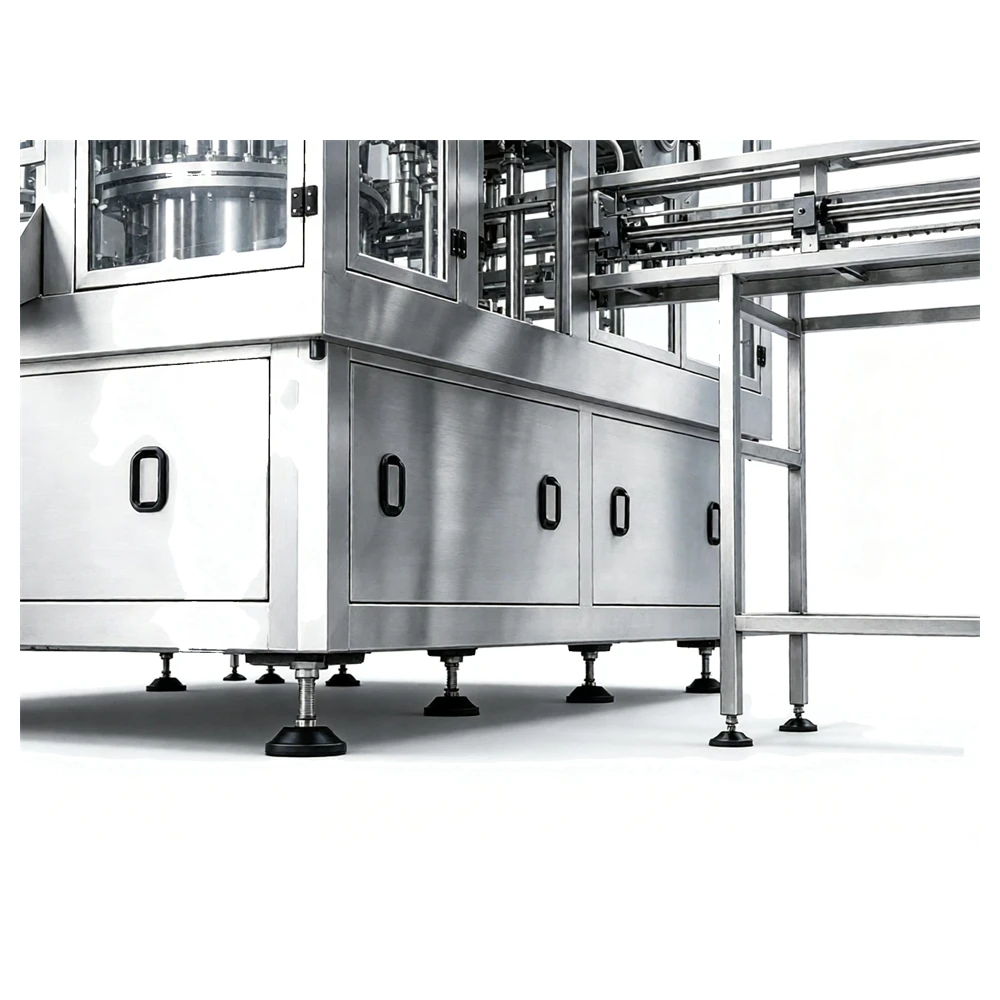
All values are reproduced from the six-head model datasheet.
| Parameter | ZLD-6 — Six-Head Model |
|---|---|
| Model | ZLD-6 |
| Filling heads | 6 |
| Packaging speed | 5,400–9,000 pouches/hour |
| Fill volume | 60–390 ml |
| Maximum pouch format | 120 mm × 260 mm × 60 mm (W × H × L) |
| Packaging type | Stand-up pouch |
| Filling accuracy | ±0.5% |
| Filling method | Volumetric dosing, pneumatic cylinder or servo motor drive |
| Applicable product | Liquid, paste and sauce, including particles up to 3 mm |
| Speed control | Variable frequency drive |
| Supply voltage | 380V / 50 Hz |
| Total power | About 8.55 kW with dual servo filling, about 8.05 kW with single servo filling |
| Air consumption | 0.65 m³/min |
| Compressed air pressure | 7 kg/cm² |
| Machine dimensions | 2,960 × 2,180 × 1,700 × 2,350 mm |
| Machine weight | About 2,900 kg |
The ZLD-6 shares its dimensions, weight, power and utilities with the four-head and eight-head models on this platform; only the head count and therefore the rate change. Dosing drive and mould sets are specified per order.
Continuous production exposes weak points quickly. These are the design choices that keep the ZLD-6 running.
The carousel runs at a constant rotational speed rather than accelerating between stations, which reduces wear on the indexer and keeps the fill profile identical every cycle.
The sealing station holds its own temperature setpoint, so a change of pouch film does not force a change of the filling recipe or the table speed.
A rotary machine has fewer actuators and transfers than a comparable linear line, which means fewer wear items and a lower chance of an unplanned stop.
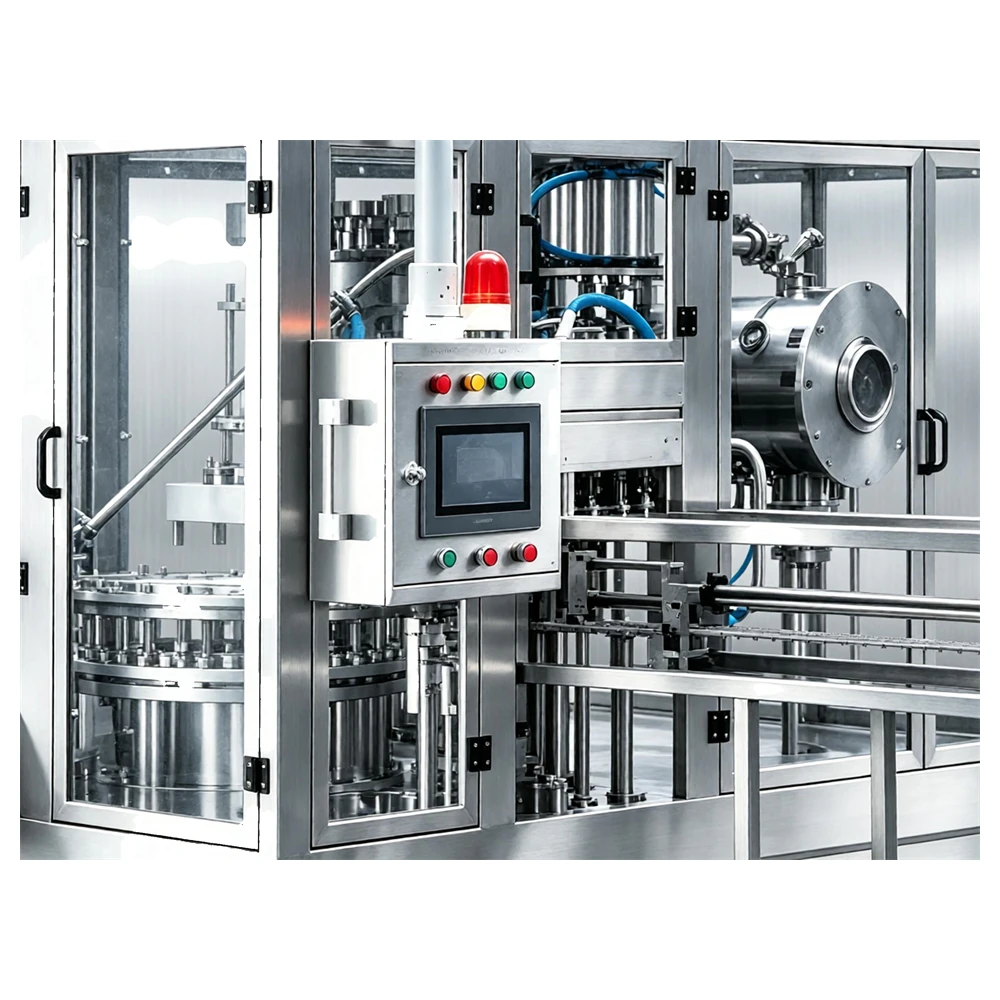
Fill volume, table speed, seal temperature and seal dwell are stored per product, so switching between products is a recall rather than a re-setup.
Hoppers, pipes, pistons and nozzles come apart without special tools, keeping planned cleaning inside the changeover window.
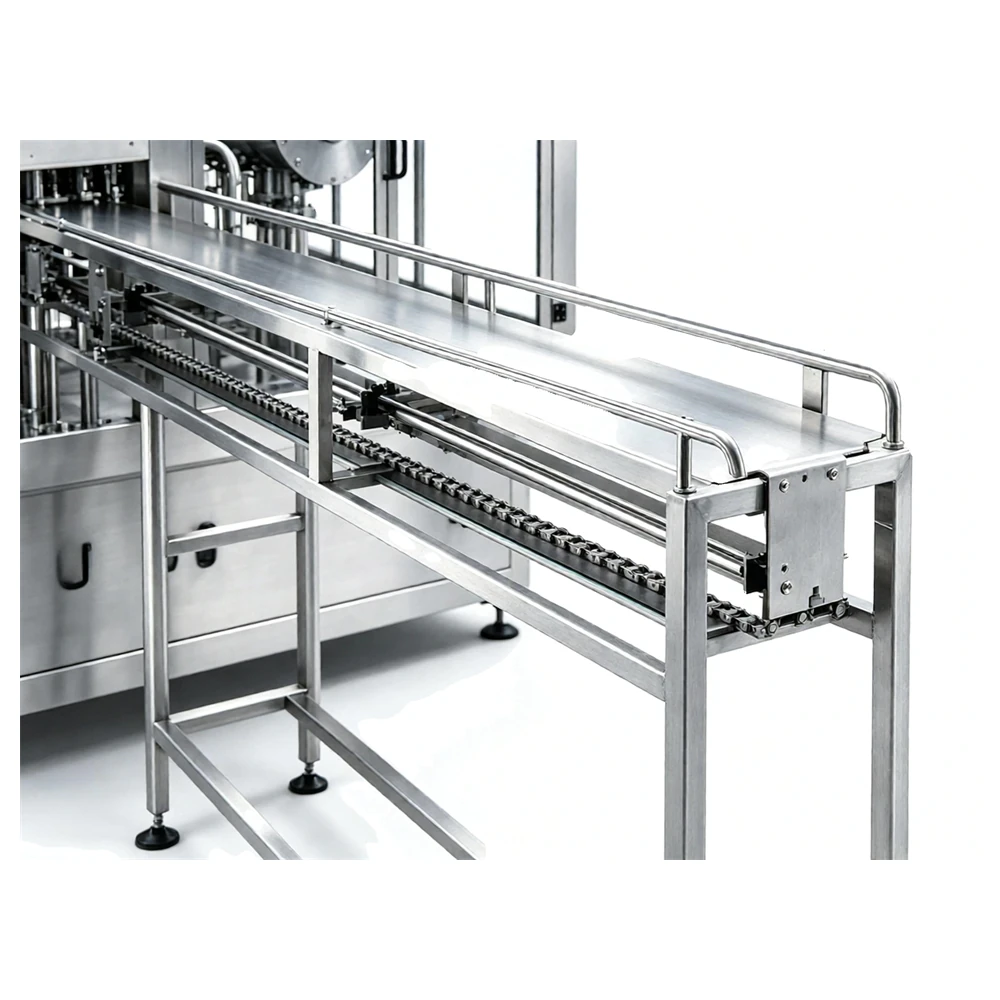
The machine is built to run stand-alone or to accept an infeed conveyor and an outfeed table when it is linked into a full packing line.
The four ZLD models differ only in head count. This table converts the published hourly rate into a shift and daily plan, which is the figure a production manager actually schedules against.
| Model | Heads | Pouches/hour | Per 8-hour shift at top rate | Per 24 hours at top rate |
|---|---|---|---|---|
| ZLD-2 | 2 | 800–3,000 | Up to 24,000 | Up to 72,000 |
| ZLD-4 | 4 | 3,600–6,000 | Up to 48,000 | Up to 144,000 |
| ZLD-6 | 6 | 5,400–9,000 | Up to 72,000 | Up to 216,000 |
| ZLD-8 | 8 | 7,200–12,000 | Up to 96,000 | Up to 288,000 |
Shift and daily figures are calculated from the published top hourly rate and take no account of breaks, cleaning, changeover, film changes or rejects. They are a planning ceiling, not a guaranteed average. For a realistic schedule, apply your own line availability and changeover frequency.
Follow one pouch around the table and the whole machine is explained.
An operator seats the pouch in the clamp. The indexer advances it to the opening and filling position.
Mechanical jaws open the spout so the nozzle can enter without scraping the pouch wall.
The piston dispenses the set volume and the sealing head closes the spout under controlled temperature as the table advances.
The clamp opens at the discharge station and the finished pouch drops to the collection tray for packing.
Food, daily chemical and pharmaceutical products share the machine; each is set up as its own stored recipe.
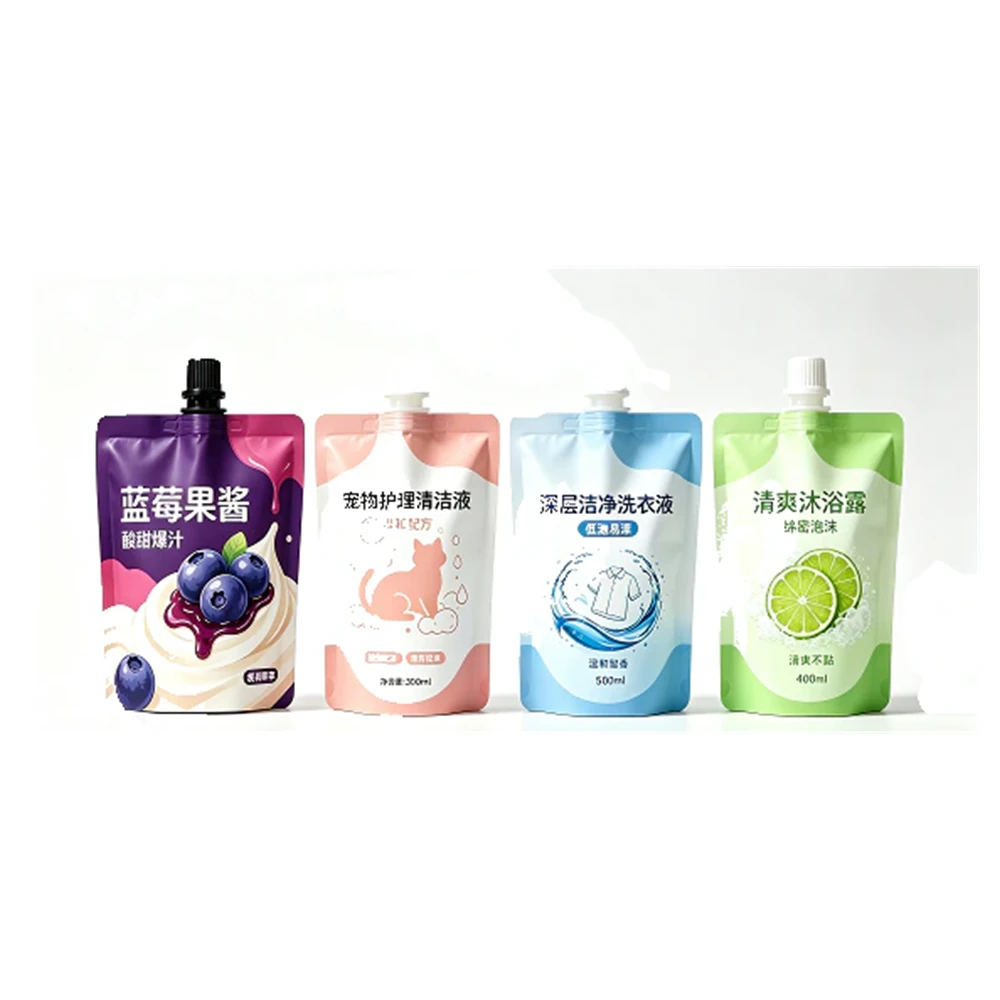
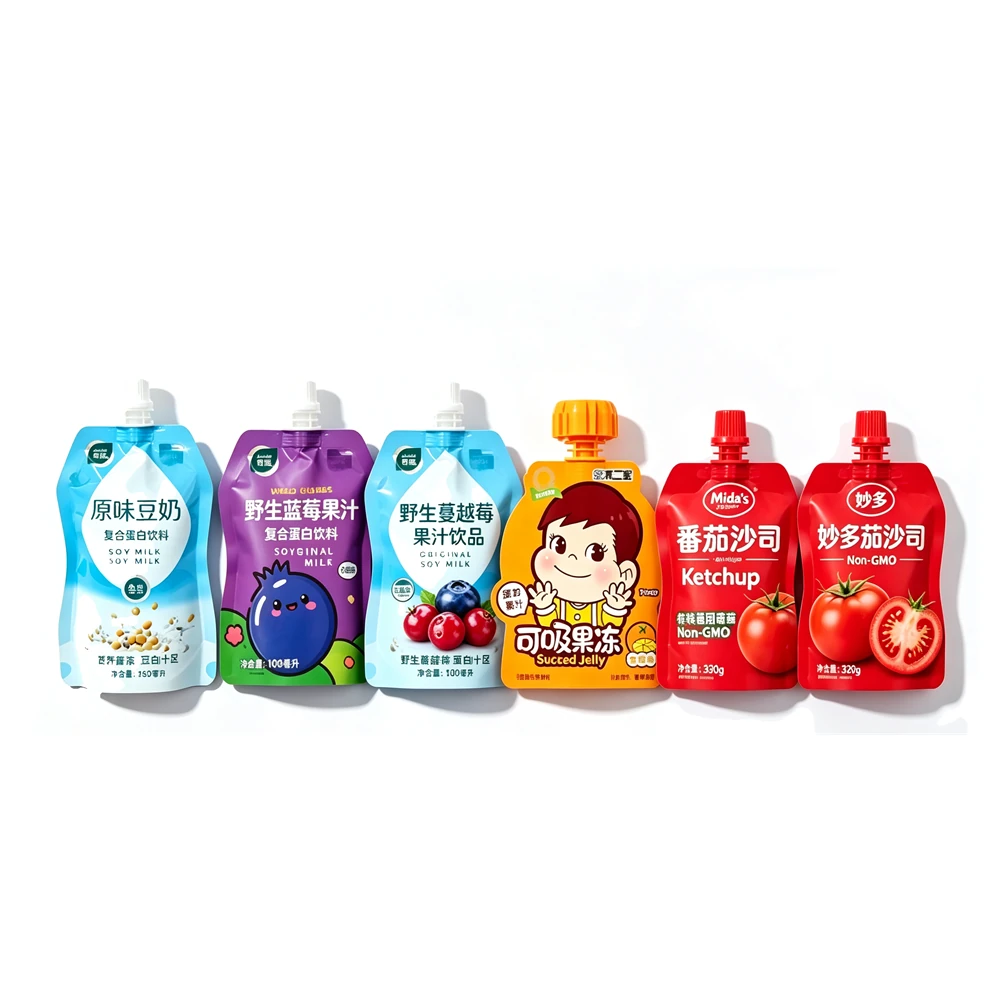
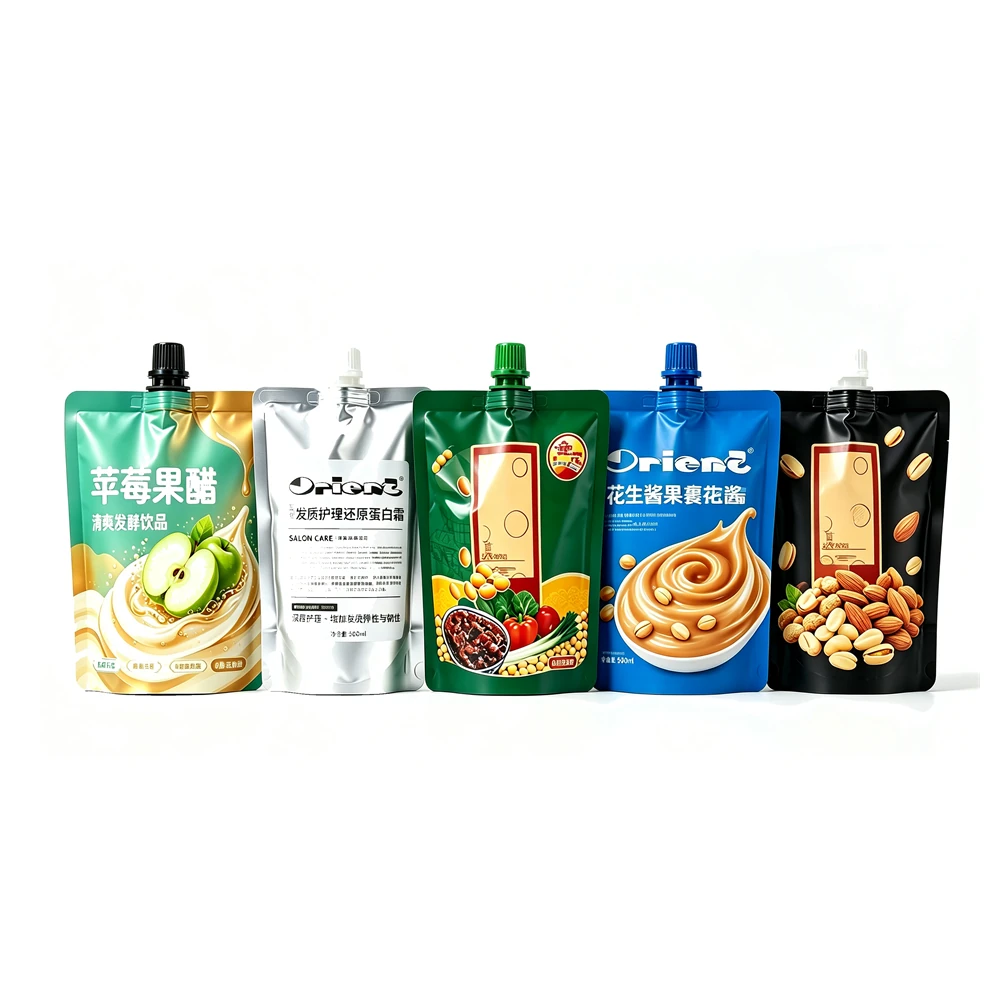
Yogurt, jelly, pudding, juice, milk tea and sour plum juice, together with ketchup, jam and peanut butter pouches at retail size.
Shampoo, conditioner and skincare refills, plus medicinal and oral liquids packed in spouted pouches.
Pulp juice, fruit pieces in syrup, pearl milk tea and similar fluids, dosed through nozzles with clearance for particles up to 3 mm.
Terms are agreed before production, and the machine is proven on your product before it ships.
Around 20 to 30 working days for a standard six-head machine, with sea freight and export packing arranged to your port.
Parts warranty for 12 months with free replacement components, plus lifetime engineering advice by phone, email or instant message.
English operation and maintenance manuals, electrical drawings, spare-parts list and a commissioning video are supplied with every machine.
Dosing drive, nozzle set, pouch mould and conveyor length are chosen with the order. Volume terms are agreed per order.
The published accuracy is a machine capability, but the fill you actually achieve depends on the product. This table shows how the same carousel is set up for each family.
| Product family | Dosing drive | Nozzle action | Fill check method | Expected outcome |
|---|---|---|---|---|
| Thin liquid | Servo, fast profile | Small bore, quick lift | Weight sample every 30 min | Holds about ±0.5% |
| Paste and sauce | Pneumatic, slow profile | Wide bore, wipe clean | Weight sample every 60 min | Holds about ±0.5% |
| Particle fluid | Pneumatic, wide stroke | Bore sized to particle | Weight sample every 30 min | Holds when particles are evenly carried |
| Aerated product | Servo, gentle profile | Bottom-up fill | Volume check after settling | Set the target after de-aeration |
Aerated and very sticky products can read outside the published figure if sampled immediately after filling. The usual practice is to let the pouch settle, then weigh. Sampling intervals above are a recommendation based on typical food packing lines and can be tightened for high-value products.
At the published rate of 5,400 to 9,000 pouches per hour, an eight-hour shift covers roughly 43,000 to 72,000 pouches before allowing for breaks and changeover, and a three-shift pattern is around 130,000 to 216,000 pouches a day. Plan against the lower figure first and treat the top rate as the machine's capability rather than a guaranteed average.
The two machines share the carousel, the 60 to 390 ml fill range, the pouch envelope, the dosing options and the controls. The difference is the number of filling heads: four on the ZLD-4 and six on the ZLD-6. That lifts the rate from 3,600 to 6,000 pouches per hour up to 5,400 to 9,000, with no change to the pouch format or the utilities.
Yes. Volumetric dosing through a piston pump handles viscous pastes and sauces, and with the right nozzle the machine passes particles up to 3 mm. That covers products such as pulp juice, fruit pieces in syrup and pearl drinks as well as smooth pastes like peanut butter and jam. The nozzle bore is specified with the order.
The sequence of loading, filling, sealing and discharge is automatic, so one operator is normally enough to load pouches and remove finished product. Attention is needed at the start of a run for recipe confirmation and periodically for fill checks and seal inspection, which is why a sampling routine is part of the commissioning training.
A three-phase 380V 50 Hz supply with a total connected load of about 8.05 kW on single servo filling or about 8.55 kW on dual servo filling, plus compressed air at 7 kg/cm² and 0.65 m³/min. The machine footprint is the same as the four-head and eight-head models on this platform.
The product path is built for wet cleaning. Hoppers, filling pipes, pistons and nozzles are quick-release parts, so the product contact set can be removed, washed and refitted in a short window. The stainless frame and smooth surfaces wipe down easily, and the carousel and clamps are reachable without dismantling the guarding.
Yes. Send the product, the pouch format and the target fill volume, and we run the machine on your material, record the fill spread across a run and return the sealed pouches with the recipe we used. That confirms both the dosing accuracy and the seal quality on your own packaging film.
Choose the head count that matches your shift output; the pouch format and tooling stay the same.
The compact two-head entry point for pilot batches, with a 30 to 100 ml fill range and a single-phase supply.
View model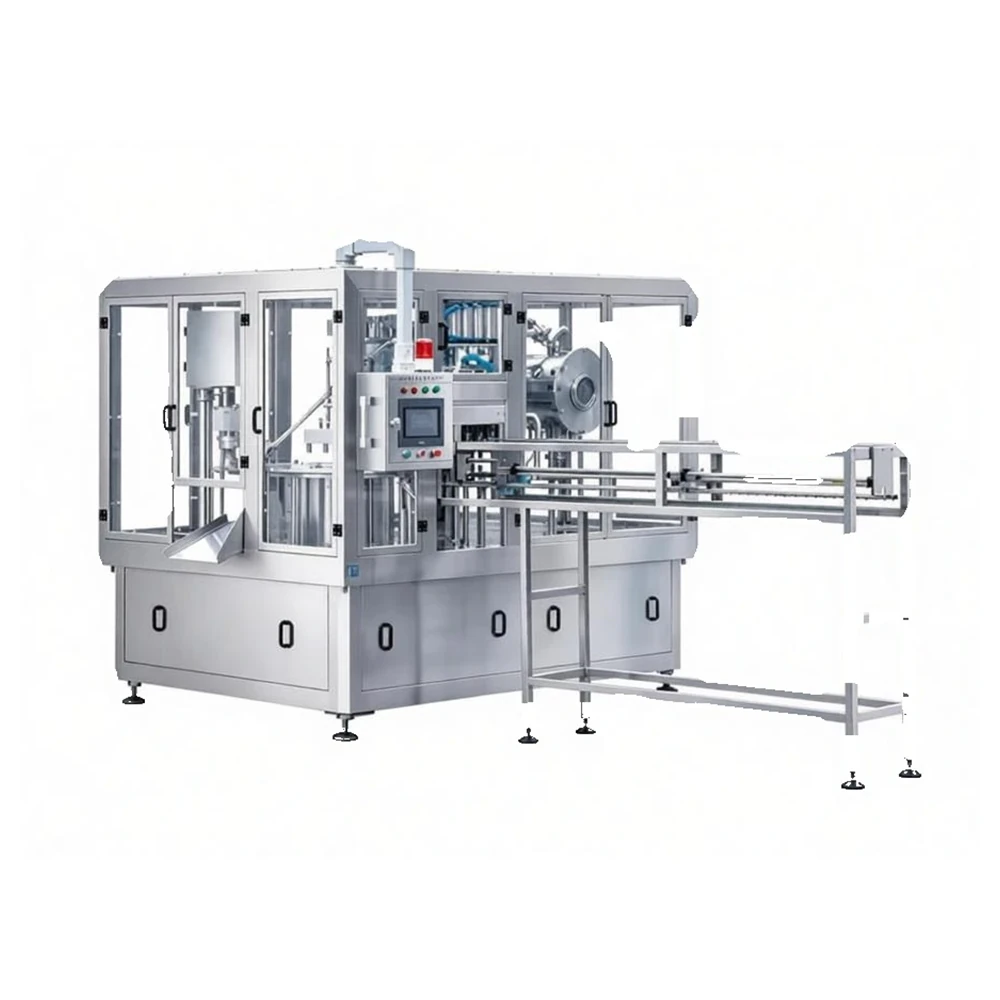
Four heads for medium-volume production from 3,600 to 6,000 pouches per hour on the same fill range.
View model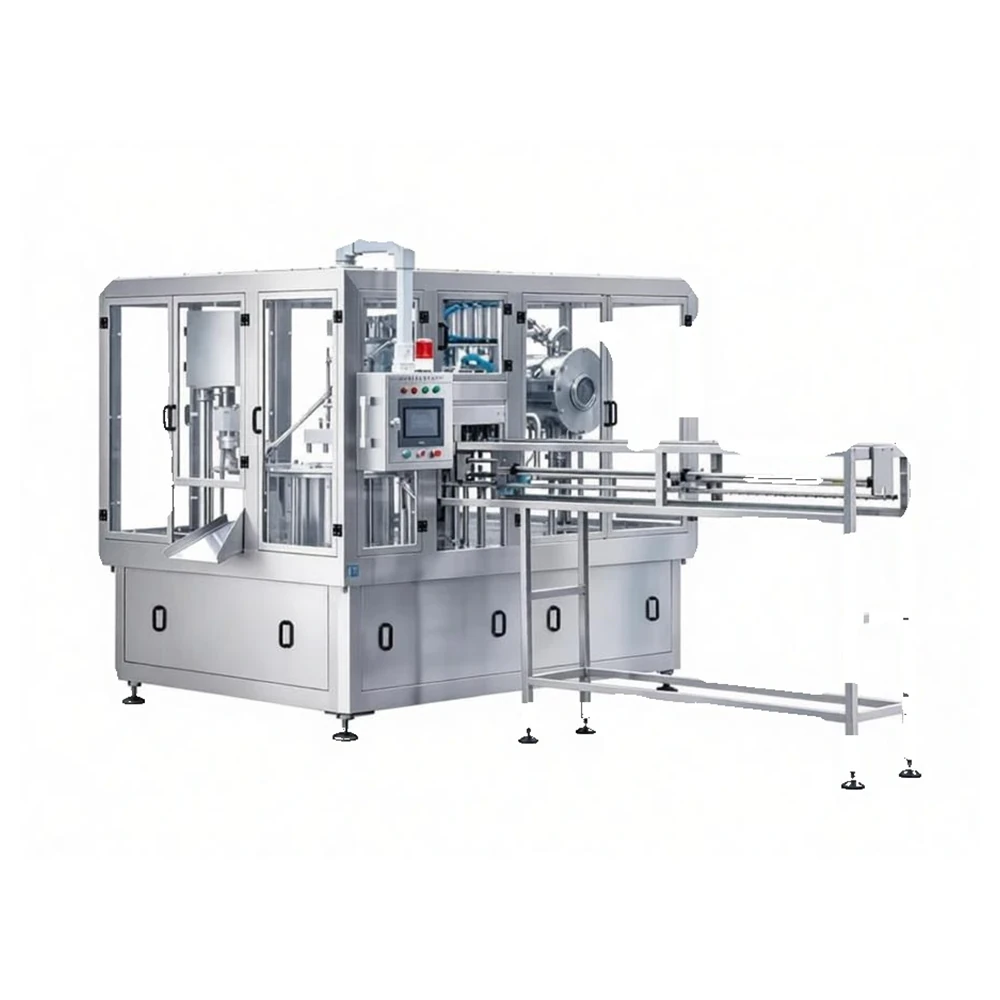
Eight heads and up to 12,000 pouches per hour for the highest-volume single-product lines.
View model