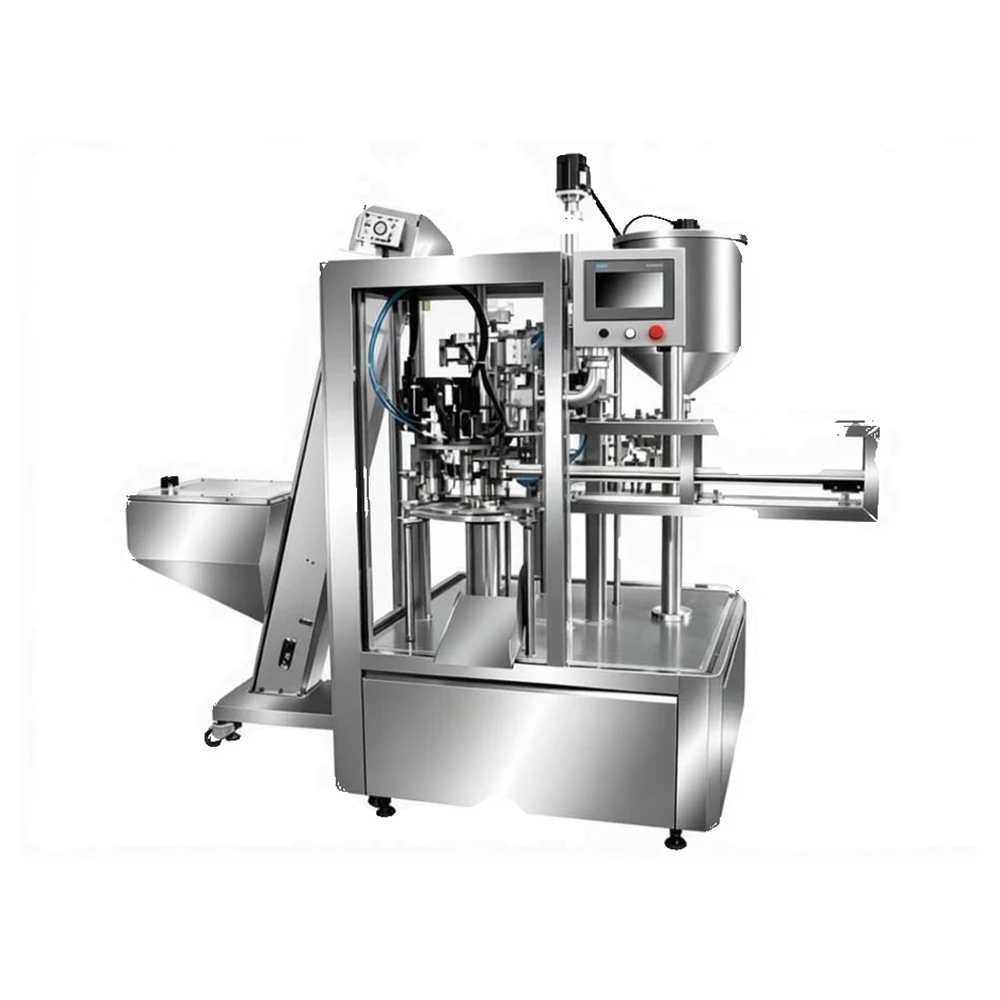
ZLD-2 Stand-Up Pouch Filling & Capping Machine
Two heads and a single-phase supply for laboratory work, pilot batches and product variety.
View modelEight heads on a rotary pouch platform is a statement about volume. The ZLD-8 fills and seals spouted stand-up pouches from 60 to 390 ml at 7,200 to 12,000 per hour, holding about plus or minus 0.5 percent on the fill, for plants that run one product hard across long shifts and want the filling station to stop being the bottleneck.
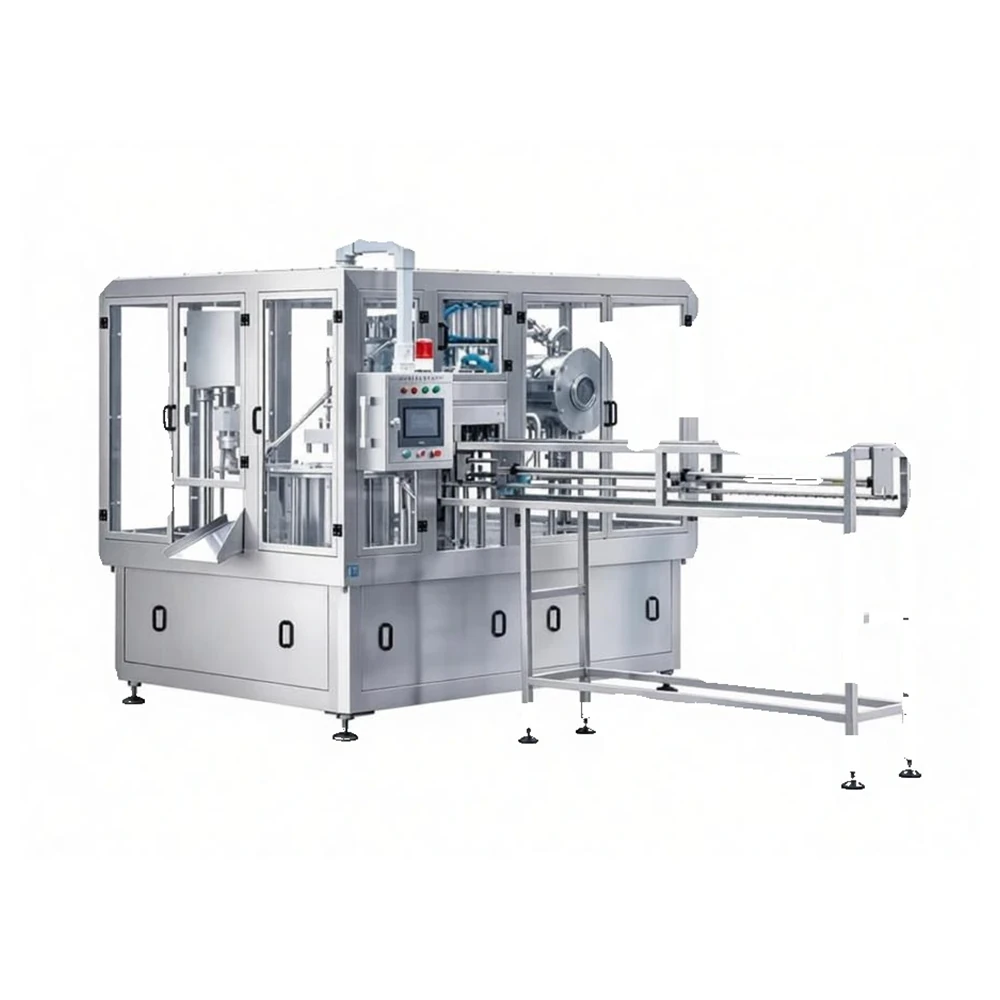
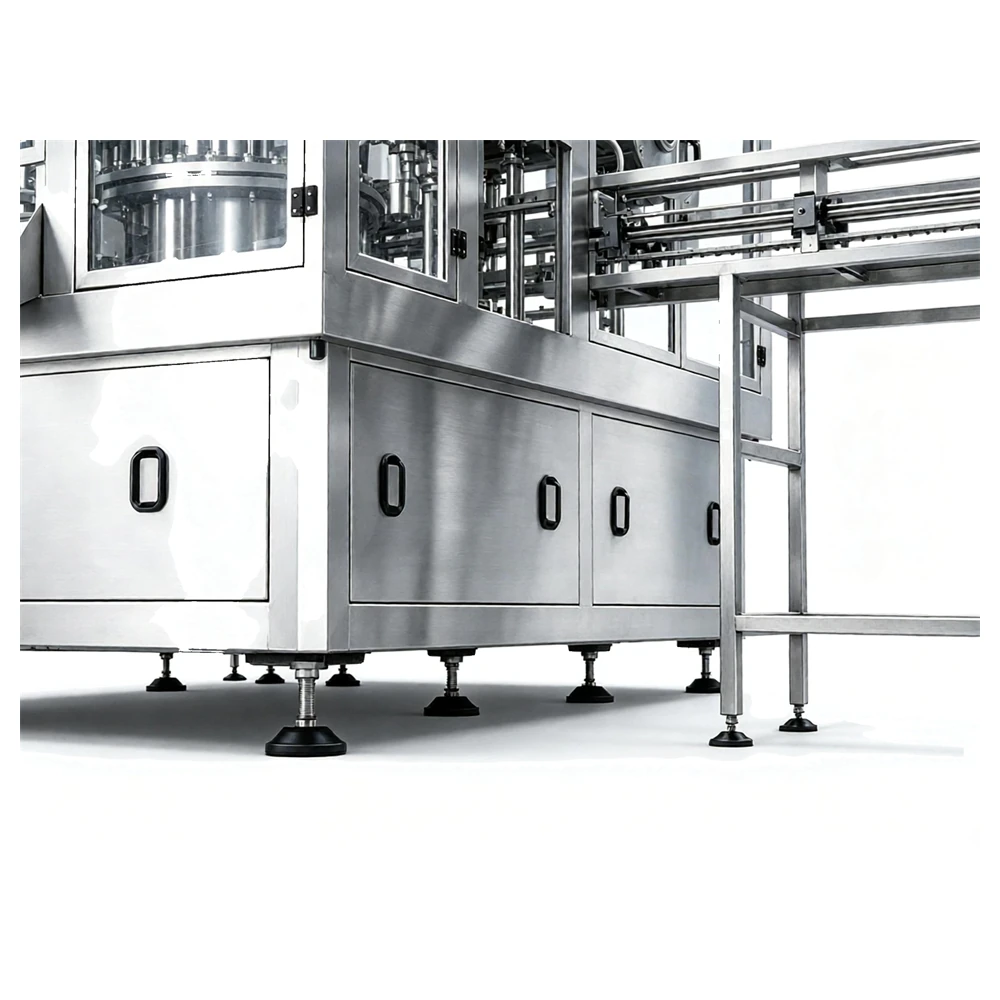
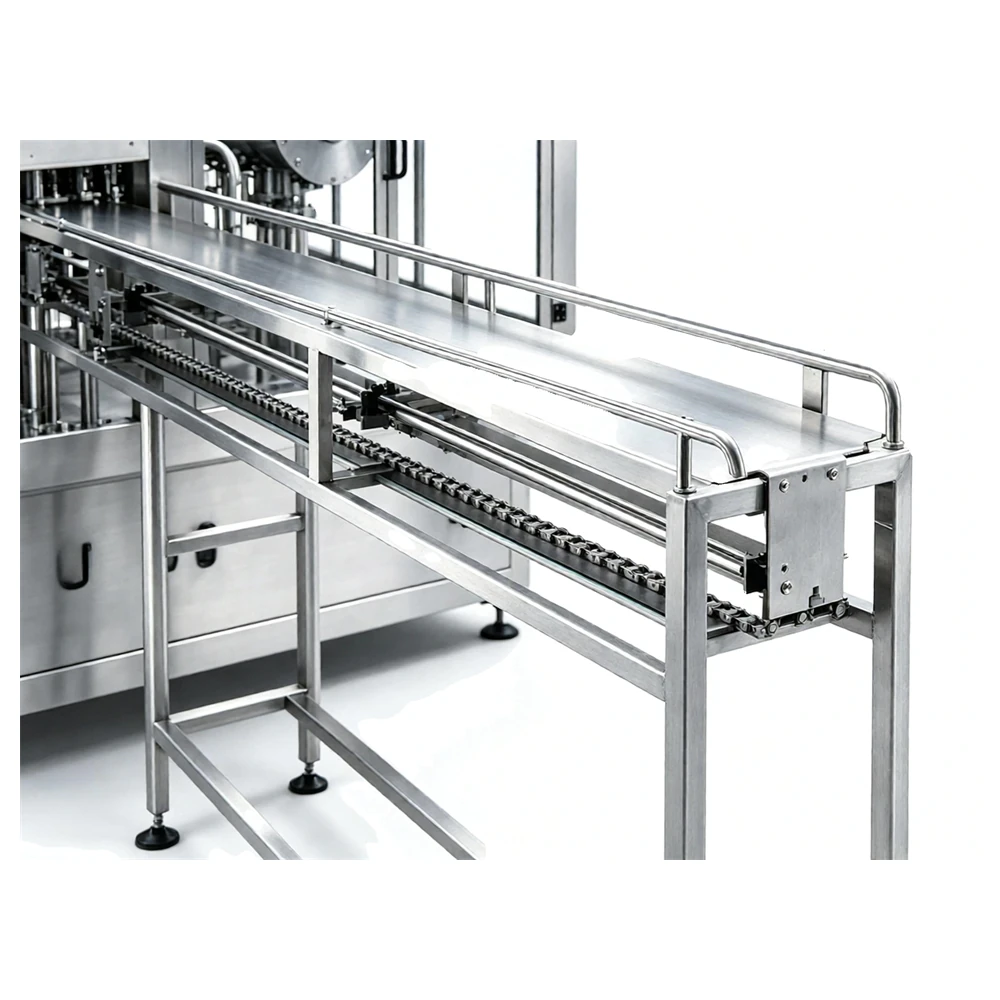
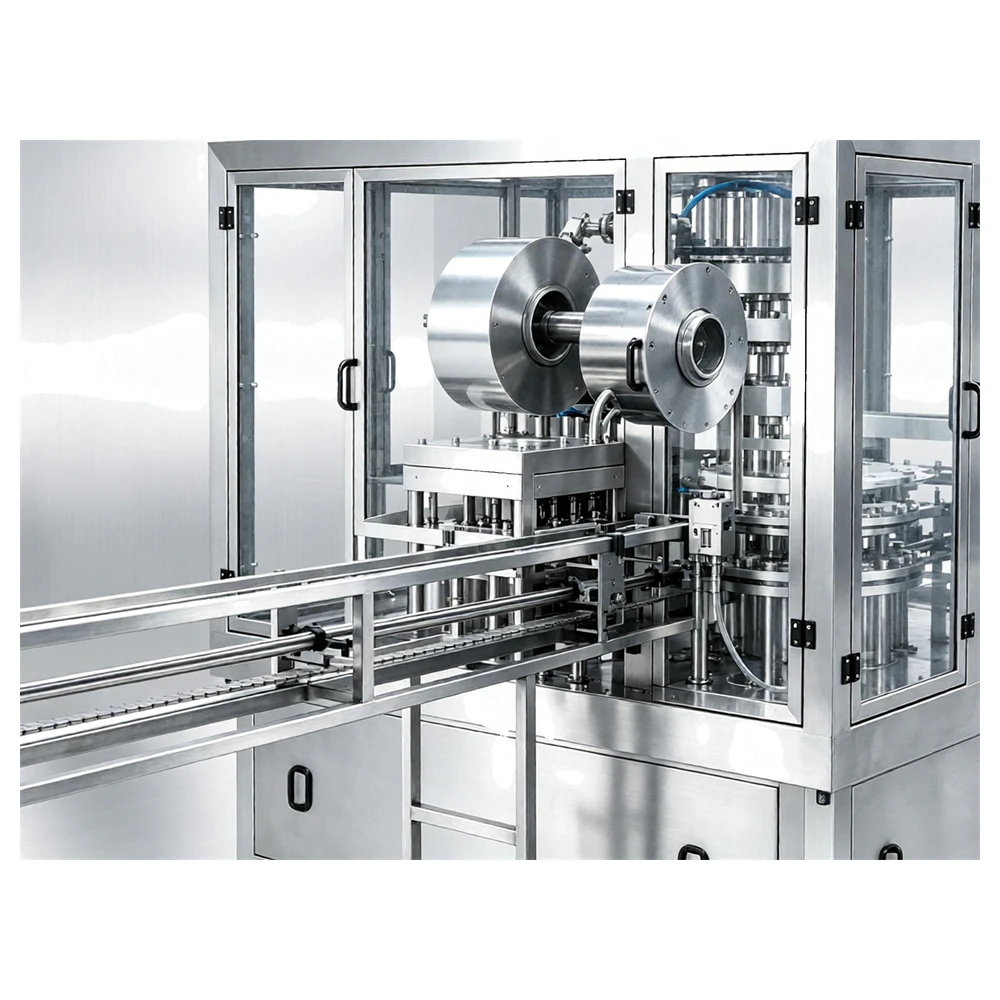
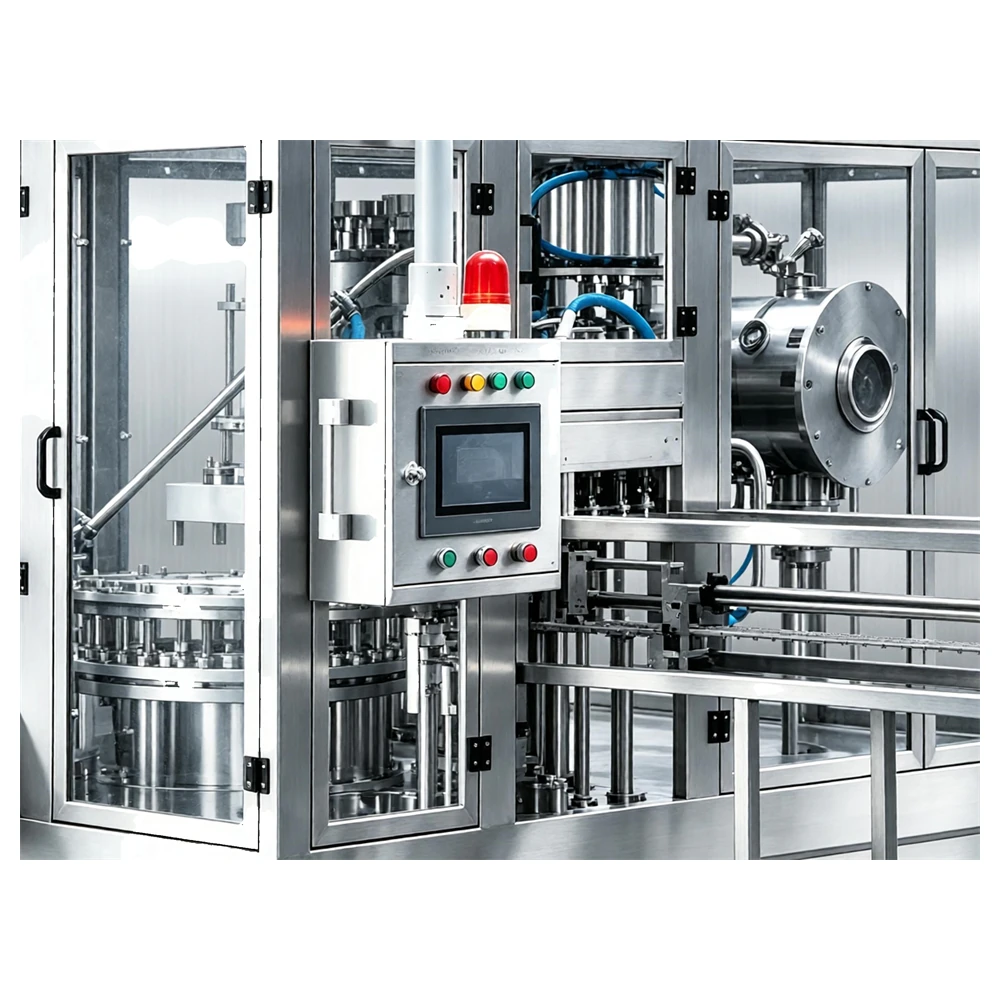
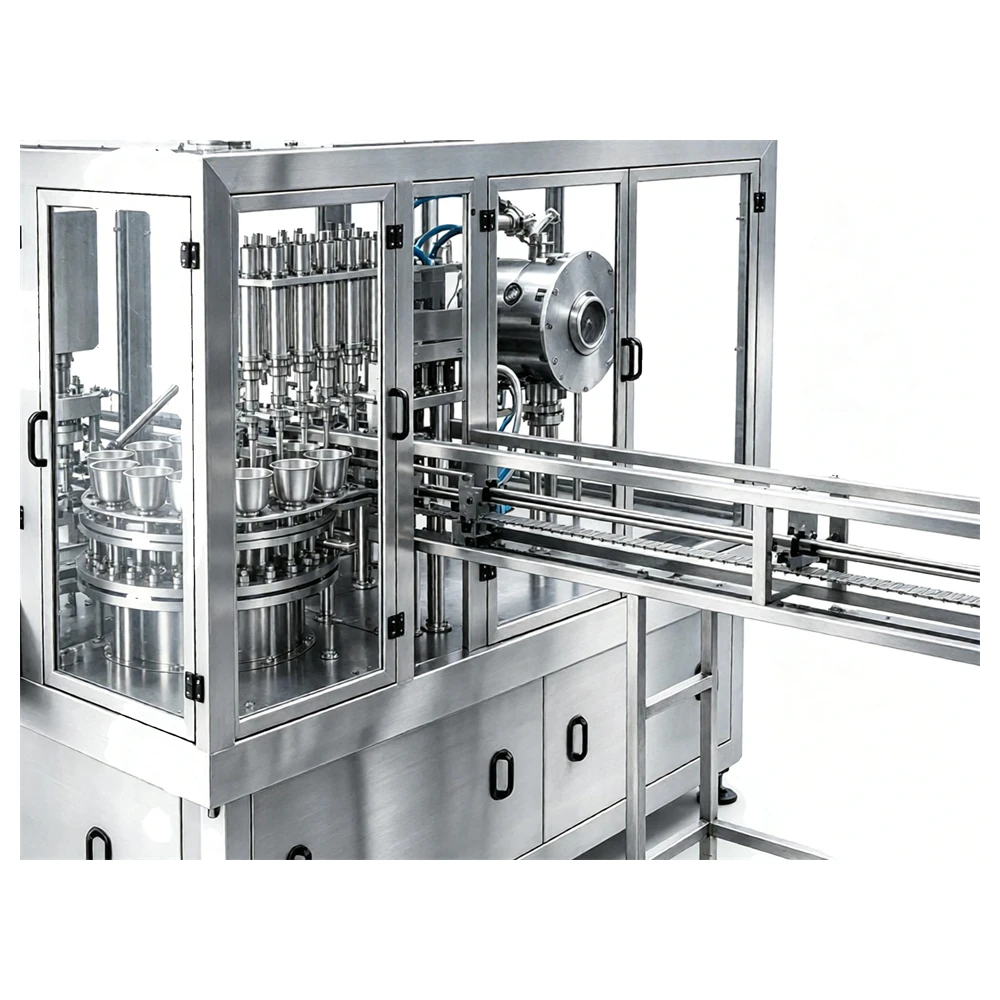
The ZLD-8 keeps the architecture that runs the rest of the range and multiplies the filling stations. Pouches are clamped around the carousel and pass through filling, sealing and discharge without stopping, so the machine delivers a continuous stream rather than a pulsed output. Because it shares the pouch envelope and the utilities of the smaller models, it drops into a line already built around the platform.
The sequence is identical for every pouch; only the position on the carousel changes.
An operator feeds spouted pouches into the clamps; the indexer picks them up and carries them into the cycle.
Eight nozzles dose in parallel. Each head runs its own piston pump, so one head can be serviced without stopping the others.
The sealing station closes each spout at a controlled temperature and the joint sets as the table continues to rotate.
Sealed pouches release into a collection tray, a counting table or a conveyor for the next stage of packing.
The ZLD-8 pays back on long, repeat runs. These are the product families it is usually bought for.
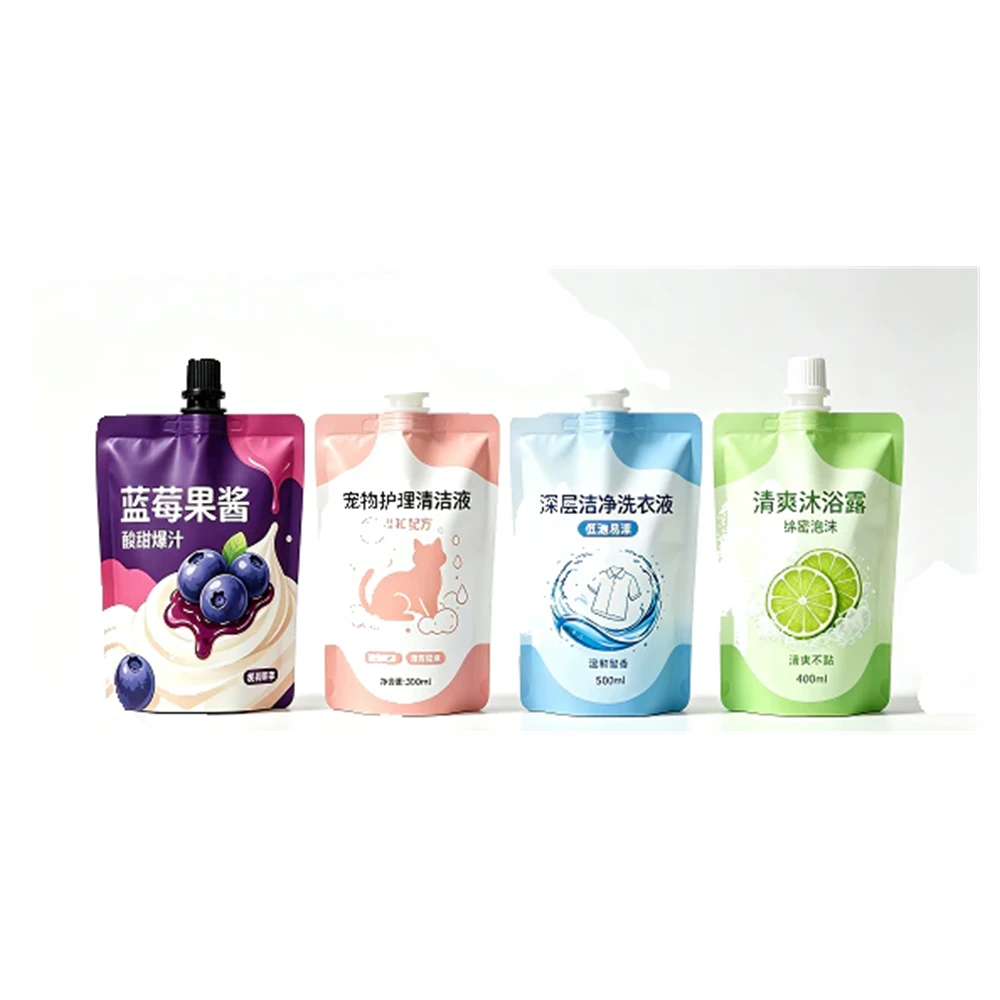
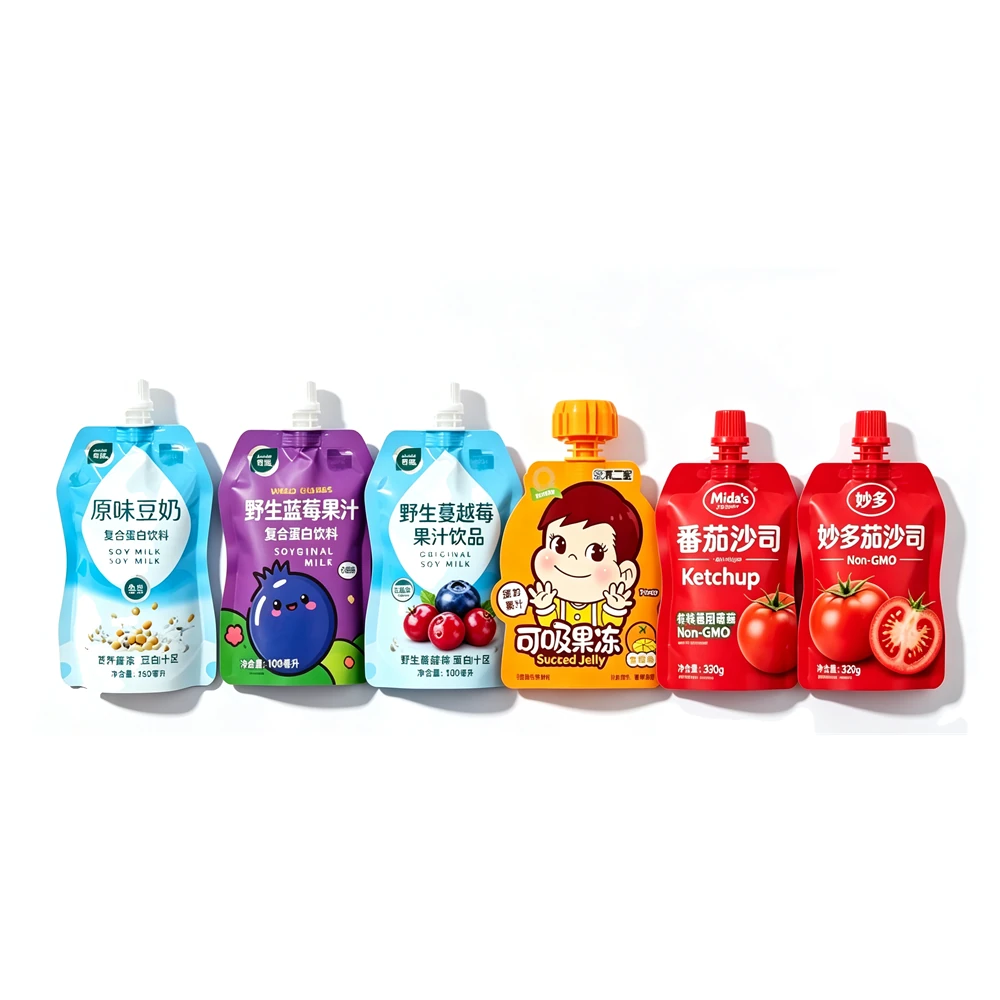
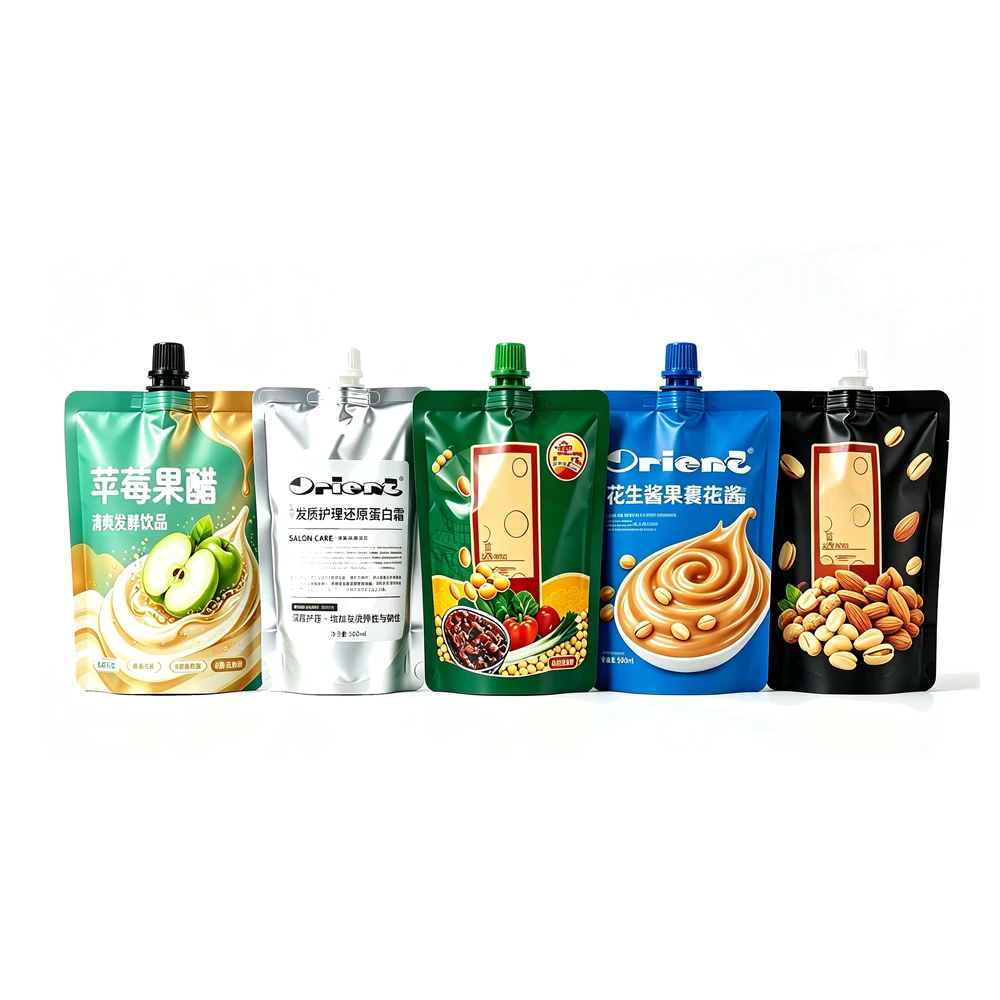
Sauce, jam, ketchup and dessert pouches in large runs, where one recipe stays loaded for days and the line runs three shifts.
Juice concentrate, syrup and milk tea bases in 60 to 390 ml pouches, filled at a steady rate with the dose held to the same tolerance all shift.
Shampoo, conditioner and detergent refill pouches, where high volume and consistent fill matter more than frequent format changes.
Values are reproduced from the eight-head model datasheet.
| Parameter | ZLD-8 — Eight-Head Model |
|---|---|
| Model | ZLD-8 |
| Filling heads | 8 |
| Packaging speed | 7,200–12,000 pouches/hour |
| Fill volume | 60–390 ml |
| Maximum pouch format | 120 mm × 260 mm × 60 mm (W × H × L) |
| Packaging type | Stand-up pouch |
| Filling accuracy | ±0.5% |
| Filling method | Volumetric dosing, pneumatic cylinder or servo motor drive |
| Applicable product | Liquid, paste and sauce, including particles up to 3 mm |
| Speed control | Variable frequency drive |
| Supply voltage | 380V / 50 Hz |
| Total power | About 8.55 kW with dual servo filling, about 8.05 kW with single servo filling |
| Air consumption | 0.65 m³/min |
| Compressed air pressure | 7 kg/cm² |
| Machine dimensions | 2,960 × 2,180 × 1,700 × 2,350 mm |
| Machine weight | About 2,900 kg |
The eight-head model shares its power, air demand, dimensions and weight with the four and six-head machines on the same platform, because the extra heads run from the existing drive and control system. Mould sets and nozzle bores are specified per order.
More heads only help if the rest of the machine can keep up with them.
Each filling head carries its own piston pump, so one head can be isolated for maintenance while the rest of the carousel continues in production.
The extra heads run from the same drive and control system as the smaller models, which is why power and utilities do not rise with the head count.
Seal temperature and dwell are controlled independently of the table speed, so the joint stays sound even when the carousel is running at its maximum rate.
Despite the high rate, the machine keeps quick-release hoppers, pipes and nozzles, so a product change is still a wash-down and a recipe recall.
Head count is the only structural difference between the four ZLD machines. Reading the range together shows what the extra heads buy and what they do not change.
| Parameter | ZLD-2 | ZLD-4 | ZLD-6 | ZLD-8 |
|---|---|---|---|---|
| Filling heads | 2 | 4 | 6 | 8 |
| Pouches per hour | 800–3,000 | 3,600–6,000 | 5,400–9,000 | 7,200–12,000 |
| Fill volume | 30–100 ml | 60–390 ml | 60–390 ml | 60–390 ml |
| Pouch envelope | 120 × 260 × 60 mm | 120 × 260 × 60 mm | 120 × 260 × 60 mm | 120 × 260 × 60 mm |
| Supply | 220V single phase | 380V | 380V | 380V |
| Total power | About 2.2 kW | 8.05–8.55 kW | 8.05–8.55 kW | 8.05–8.55 kW |
| Pouches per hour at top rate per head | 1,500 | 1,500 | 1,500 | 1,500 |
| Best fit | Pilot and variety | Balanced mid-volume | Continuous production | High-volume single product |
Output per head is calculated from the published top rate divided by the number of filling heads and is consistent at 1,500 pouches per hour per head across the range, which confirms that the platform scales by head count rather than by increasing table speed.
Four values that describe what the ZLD-8 demands and what it delivers.
The ZLD-8 is the same machine as the ZLD-4 and ZLD-6 with more filling stations, so the line layout around it does not need to be rethought.
The carousel does not accelerate to gain throughput; the rate comes from the number of heads working at the same steady speed.
The machine occupies the same floor area as the six-head model, which means an existing bay can accept it without civil work.
A high-rate filler shifts the bottleneck. This table shows the stations around the machine and the question to settle at each one before the line is fixed.
| Station | Purpose | Balance question | Typical solution |
|---|---|---|---|
| Product feed | Keep the hopper supplied | Can the transfer pump match 12,000 pouches per hour | Size the pump on peak fill volume, not average |
| Pouch supply | Feed spouted pouches to the clamps | Manual loading versus automatic feeding | Add a second operator or specify an automatic feeder |
| Filling carousel | Dose and seal | Is the fill window wide enough for the product | Match nozzle bore to viscosity and particle size |
| Discharge | Collect and count pouches | Can packing absorb the output | Counting table or conveyor to a cartoning station |
| Quality check | Verify fill and seal | How often to sample at this rate | Weight check every 30 minutes, seal check hourly |
Sampling intervals and station counts are planning recommendations for a high-rate pouch line, not machine specifications. They should be adapted to your product value, packaging film and local quality requirements.
Every machine is built to order against your product and pouch, then trial-run before packing.
Roughly 20 to 30 working days for a standard build, then sea freight or air freight to your port with export packing.
12-month parts warranty with free replacement components, plus lifetime technical support for the machine.
English manuals, drawings and a video walkthrough, with remote support during the first production run.
A recommended spare-parts kit is offered with the machine, covering seal elements, nozzles, seals and pneumatic parts.
Eight heads suit a single product running at high volume over long shifts. At 7,200 to 12,000 pouches per hour the machine will outrun most manual pouch loading, so the pouch supply and the packing station downstream become the limiting factors. If you change products several times a day or run short campaigns, a four or a six-head machine is usually the better balance.
One operator can keep the machine supplied with pouches and clear the finished product, though at the top of the speed range most plants add a second person on packing so the machine is never starved. Automatic pouch feeding can be specified if the format allows it, which reduces the loading task further.
The published fill range is 60 to 390 ml on a pouch format up to 120 mm wide, 260 mm high and 60 mm across the base. The eight heads share the same clamps and mould position as the rest of the ZLD platform, so tooling familiar from a four or six-head machine transfers directly.
The machine is specified at about plus or minus 0.5 percent across its range. Because each head carries its own volumetric piston pump and the carousel runs at a constant speed, the fill does not degrade as the machine speeds up. Accuracy is verified on your product during the sample test and sampled again during production.
Upstream, the machine needs a consistent supply of spouted pouches and a product feed to the hopper, which can be a transfer pump from a mixing vessel. Downstream, it needs a collection or counting table, and usually a cartoning or bagging station. A capping or spout-closing station and a coding station are the other common additions.
A three-phase 380V 50 Hz supply at about 8.55 kW with dual servo filling, and compressed air at 7 kg/cm² drawing 0.65 m³/min. The machine shares its footprint with the four-head and six-head models, so a line designed for one can accept another without a layout change.
Yes. Frame colour, nameplate and the start screen on the HMI can carry your brand, and the machine can be delivered as part of a complete packing line with matched conveyors and a coding station. Volume terms are agreed per order.
If the ZLD-8 is more machine than the product justifies, the same platform is offered at two, four and six heads.
Two heads and a single-phase supply for laboratory work, pilot batches and product variety.
View model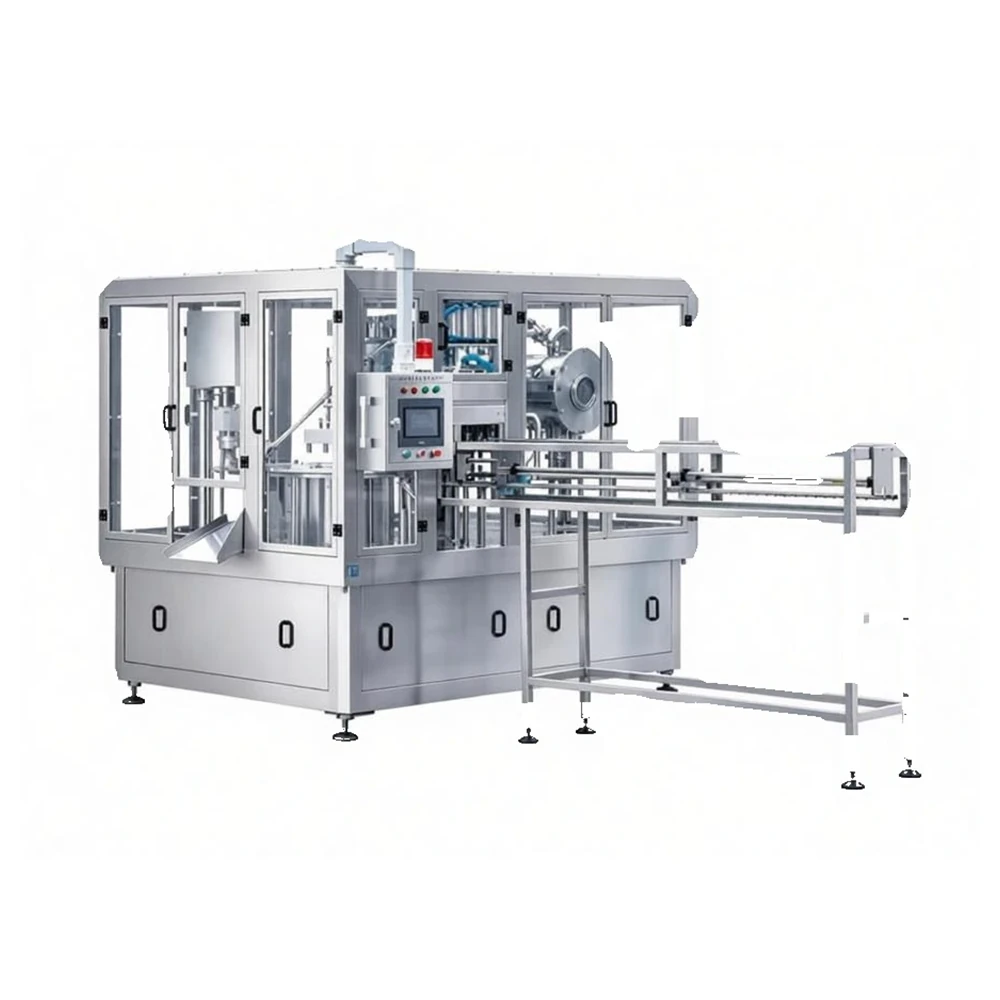
The balanced mid-range option, 3,600 to 6,000 pouches per hour with the same pouch envelope.
View model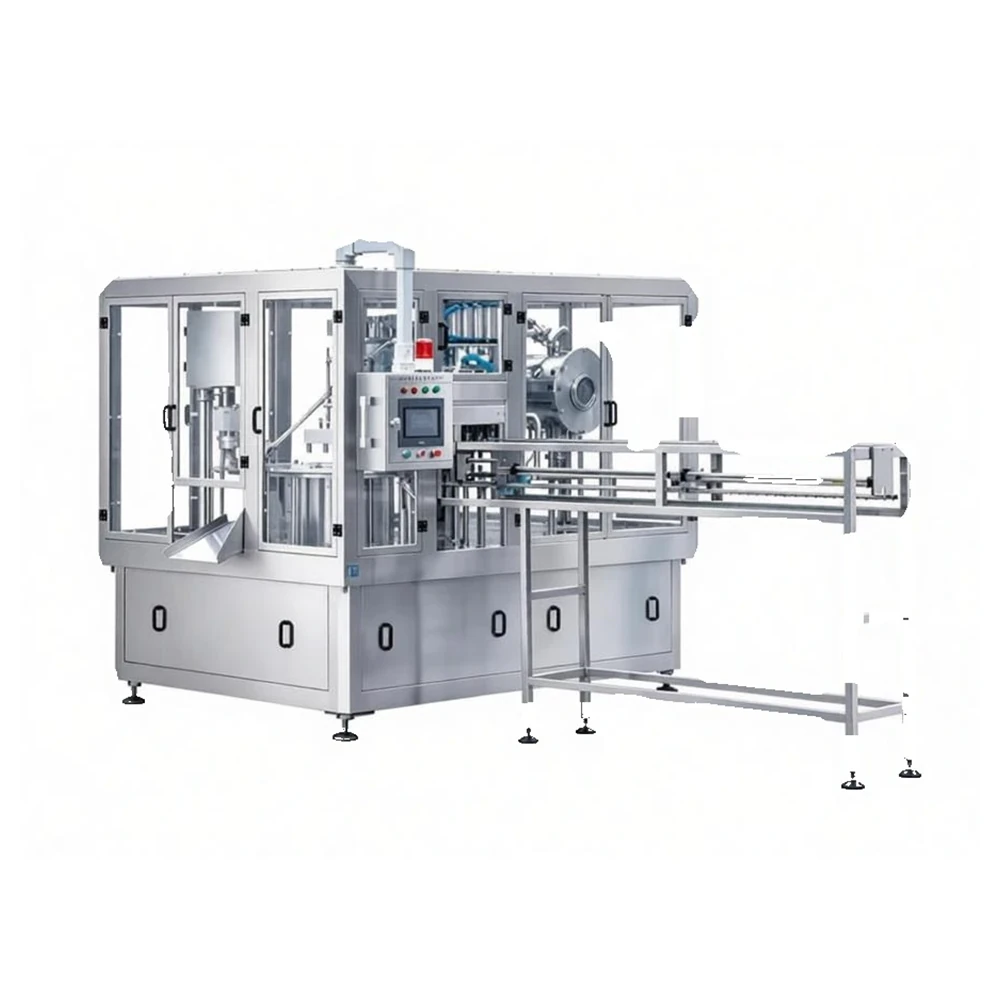
Six heads for continuous production from 5,400 to 9,000 pouches per hour, one step below the ZLD-8.
View model